Why Choosing the Right Hydraulic Power Unit Matters
Hydraulic handheld tools are widely used in construction, utility maintenance, rescue operations, mining, and municipal engineering. However, even the best hydraulic breaker, rock drill, ring saw, or chain saw can only perform as well as the hydraulic power unit driving it.
Selecting the correct hydraulic power unit is essential for maximizing productivity, reducing downtime, and protecting equipment from premature wear.
This guide explains how to choose the right hydraulic power pack for handheld hydraulic tools and highlights the advantages of portable hydraulic power units in real-world applications.
What Is a Hydraulic Power Unit?
A hydraulic power unit (HPU), sometimes referred to as a hydraulic power pack, converts engine power into hydraulic energy that drives handheld hydraulic tools. Typical components include:
- Engine (gasoline or diesel)
- Hydraulic pump
- Hydraulic oil reservoir
- Control valves
- Cooling system
- Quick couplers
A properly matched power unit provides the flow and pressure required for efficient tool operation.
Step-by-Step Selection Guide
Step 1&2: Match Hydraulic Flow Requirements
Flow rate determines the tool’s operating speed, while pressure determines the available force and torque. Operating below the recommended pressure severely reduces performance, while excessive pressure can permanently damage hydraulic components.
To make selection simple, here are the technical specifications for standard ZONDAR Handheld Hydraulic Tools
ZONDAR handheld hydraulic tools require:
| Tool Type & Model | Recommended Flow | Operation Pressure | Recommended HPU |
| Hydraulic Breaker ZDHB-20 | 20–30 L/min | 180 bar | ZONDAR 13HP HPU |
| Hydraulic Rock Drill ZDRB-20 | 20–30 L/min | 180 bar | ZONDAR 13HP HPU |
| Hydraulic Ring Saw ZDRS-40 | 20–40 L/min | 180 bar | ZONDAR 13HP HPU |
| Hydraulic Chain Saw ZDDS-50 | 20–40 L/min | 180 bar | ZONDAR 13HP HPU |
| Hydraulic Core Drill ZDCD-200 | 18–23 L/min | 180 bar | ZONDAR 13HP HPU |
ZONDAR handheld hydraulic Pumps require:
| Tool Type & Model | Recommended Flow | Operation Pressure | Recommended HPU |
| Hydraulic Slurry Pump ZDTP-04 | 30–40 L/min | 180 bar | ZONDAR 18HP HPU |
| Hydraulic Submersible PumpZDTP-06H | 40–60 L/min | 180 bar | ZONDAR 35HP HPU |
| Hydraulic Submersible PumpZDSP-4515 | 50–60 L/min | 180 bar | ZONDAR 27HP HPU |
| Hydraulic Submersible PumpZDSP-6012 | 70–80 L/min | 180 bar | ZONDAR 35HP HPU |
💡 Pro Tip: Always select a power unit whose flow and pressure ranges strictly match the tool manufacturer's specifications to prevent overheating and premature seal failure.
Step 3: Consider the Jobsite Environment
Different projects require different power sources. Choosing between gasoline and diesel depends heavily on your daily operational habits.
Gasoline Hydraulic Power Units
Advantages: Lightweight, easy transport, quick deployment, lower initial investment.
Ideal For: Road maintenance, rapid utility repair, and light municipal works.
Advantages: Higher continuous output, superior fuel efficiency, rugged longevity for long operating hours.
Ideal For: Mining, large-scale construction projects, and continuous emergency response operations.
Step 4: Evaluate Cooling Capacity
Hydraulic systems generate heat during operation.
A high-quality hydraulic power unit should provide:
Efficient oil cooling
Stable pressure output
Reliable performance during continuous operation
This becomes particularly important when driving hydraulic breakers, drills, and cutting equipment for extended periods.
💡 Pro Tip for Contractors: Always check the compatibility of quick couplers before heading to the jobsite. Mismatched couplings are one of the most common causes of preventable downtime.
Advantages of Portable Hydraulic Power Units
Portable hydraulic power units have become an essential solution for contractors, utility crews, rescue teams, and municipal maintenance departments. Compared with relying solely on large carrier equipment, dedicated hydraulic power packs provide greater flexibility and operational efficiency across a wide range of applications.
1. Outstanding Mobility
Portable hydraulic power units are compact and easy to transport, allowing operators to bring hydraulic power directly to the work area.
Whether working in remote construction sites, urban streets, underground utility tunnels, or confined spaces, portable HPUs can be quickly positioned where larger equipment cannot reach.
2. Tool Versatility
One hydraulic power unit can operate multiple hydraulic tools, including:
- Hydraulic breakers
- Rock drills
- Ring saws
- Chain saws
- Core drills
- Rescue tools
- Hydraulic pumps
This versatility allows contractors to complete multiple tasks using a single power source, reducing equipment requirements and simplifying fleet management.
3. Lower Ownership Costs
Purchasing one portable hydraulic power unit and several interchangeable tools is often more cost-effective than investing in multiple dedicated machines.
Operators benefit from:
Lower initial equipment investment
Reduced maintenance costs
Fewer spare parts requirements
Simplified operator training
4. Better Access to Remote Work Areas
Many projects take place in locations where excavators, skid steers, or service vehicles cannot easily access.
Portable HPUs provide reliable hydraulic power for:
- Mountain construction projects
- Utility maintenance
- Pipeline repairs
- Tunnel operations
- Disaster response zones
This flexibility significantly expands operational capabilities.
5. Faster Deployment
During emergency repairs or rescue operations, time is critical.
Portable hydraulic power units can be unloaded, connected, and operational within minutes, helping crews respond quickly to urgent situations while minimizing downtime.
6. Open Compatibility
Modern hydraulic power packs can support a wide range of hydraulic tools from different manufacturers when flow and pressure requirements are properly matched.
This open compatibility provides greater flexibility for contractors looking to maximize existing equipment investments.
7. Improved Return on Investment
Because one power unit can support multiple tools across multiple projects, equipment utilization rates increase significantly.
Higher utilization leads to:
- Better asset efficiency
- Reduced idle equipment
- Lower operating costs
- Faster return on investment
For contractors and municipalities alike, portable hydraulic power units represent one of the most flexible and cost-effective hydraulic solutions available today.
Why Many Contractors Choose Open-Compatible Hydraulic Power Units
Modern contractors increasingly prefer hydraulic power units that can operate tools from multiple manufacturers.
Open-compatible systems provide:
- Greater fleet flexibility
- Easier tool expansion
- Reduced capital investment
- Improved equipment utilization
This approach allows a single hydraulic power source to operate breakers, rock drills, ring saws, slurry pumps, and rescue tools.
Advantages of ZONDAR Hydraulic Equipments
ZONDAR hydraulic equipment is designed to provide reliable performance, operational flexibility, and long-term value for contractors, municipalities, utility companies, mining operations, and emergency response organizations. From hydraulic power units and breakers to rock drills, ring saws, slurry pumps, and drainage robots, ZONDAR solutions are engineered to perform in demanding environments.
1. Complete Hydraulic Solution Portfolio
Unlike suppliers that focus on a single product category, ZONDAR offers a complete hydraulic equipment ecosystem, including:
Portable hydraulic power units
- Hydraulic breakers
- Hydraulic rock drills
- Hydraulic ring saws
- Hydraulic chain saws
- Hydraulic core drills
- Hydraulic slurry pumps
- Hydraulic submersible pumps
- Hydraulic drainage robots
This allows customers to source compatible equipment from a single supplier.
2. Open System Compatibility
ZONDAR equipment is designed around open compatibility principles.
Many tools can be integrated with:
- Existing hydraulic power packs
- Skid steers
- Excavators
- Municipal service vehicles
- Vacuum trucks
- Auxiliary hydraulic systems
This flexibility helps customers maximize the value of existing equipment fleets.
3. Reliable Performance in Harsh Conditions
Hydraulic systems are widely recognized for their durability in demanding environments.
ZONDAR equipment is engineered for:
- Extreme temperatures
- Dusty construction sites
- Wet environments
- Flood response operations
- Underground utility work
Reliable operation helps reduce downtime and improve productivity.
4. Efficient and Stable Hydraulic Output
ZONDAR hydraulic power units feature stable pressure delivery and efficient hydraulic system design to support consistent tool performance.
Benefits include:
- Reduced performance fluctuations
- Improved operating efficiency
- Enhanced tool protection
- Extended equipment life
5. Rapid Deployment Capability
Whether responding to emergency flooding, utility failures, or urgent construction tasks, rapid equipment deployment is essential.
ZONDAR hydraulic solutions are designed for quick setup and operation, helping crews begin work with minimal delay.
6. Versatility Across Multiple Industries
ZONDAR hydraulic equipment is used in:
- Construction and demolition
- Road maintenance
- Municipal engineering
- Flood control and drainage
- Mining and quarry operations
- Emergency rescue applications
This versatility allows customers to utilize equipment across a broad range of projects.
7. Strong Long-Term Value
By combining durable construction, open compatibility, and multi-tool functionality, ZONDAR equipment helps customers achieve a lower total cost of ownership.
Higher equipment utilization, reduced downtime, and expanded application possibilities contribute to a stronger long-term return on investment.
For organizations seeking flexible, reliable, and scalable hydraulic solutions, ZONDAR hydraulic equipment provides a practical platform for both everyday operations and demanding emergency applications.
ZONDAR Hydraulic Power Unit Solutions
ZONDAR Portable Hydraulic Power Units are engineered specifically to support a versatile range of handheld tools include: Hydraulic breakers, Rock drills, Ring saws, Chain saws, Core drills.
Featuring stable pressure output, robust dual-circuit designs, and highly efficient cooling systems, ZONDAR power packs are built for demanding applications including construction, municipal maintenance, mining, and emergency response.
Real cases
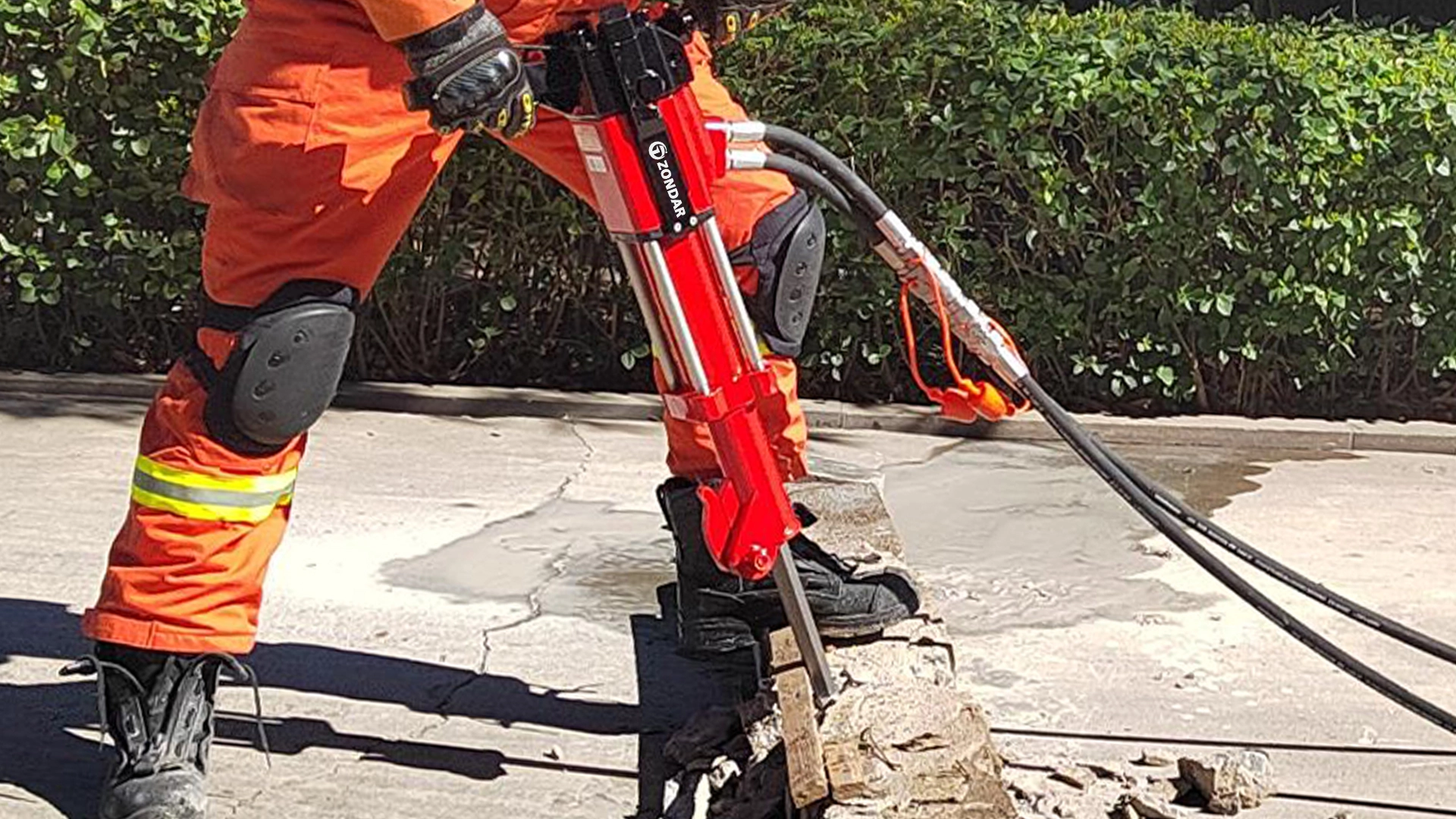
Hydraulic breaker + HPU
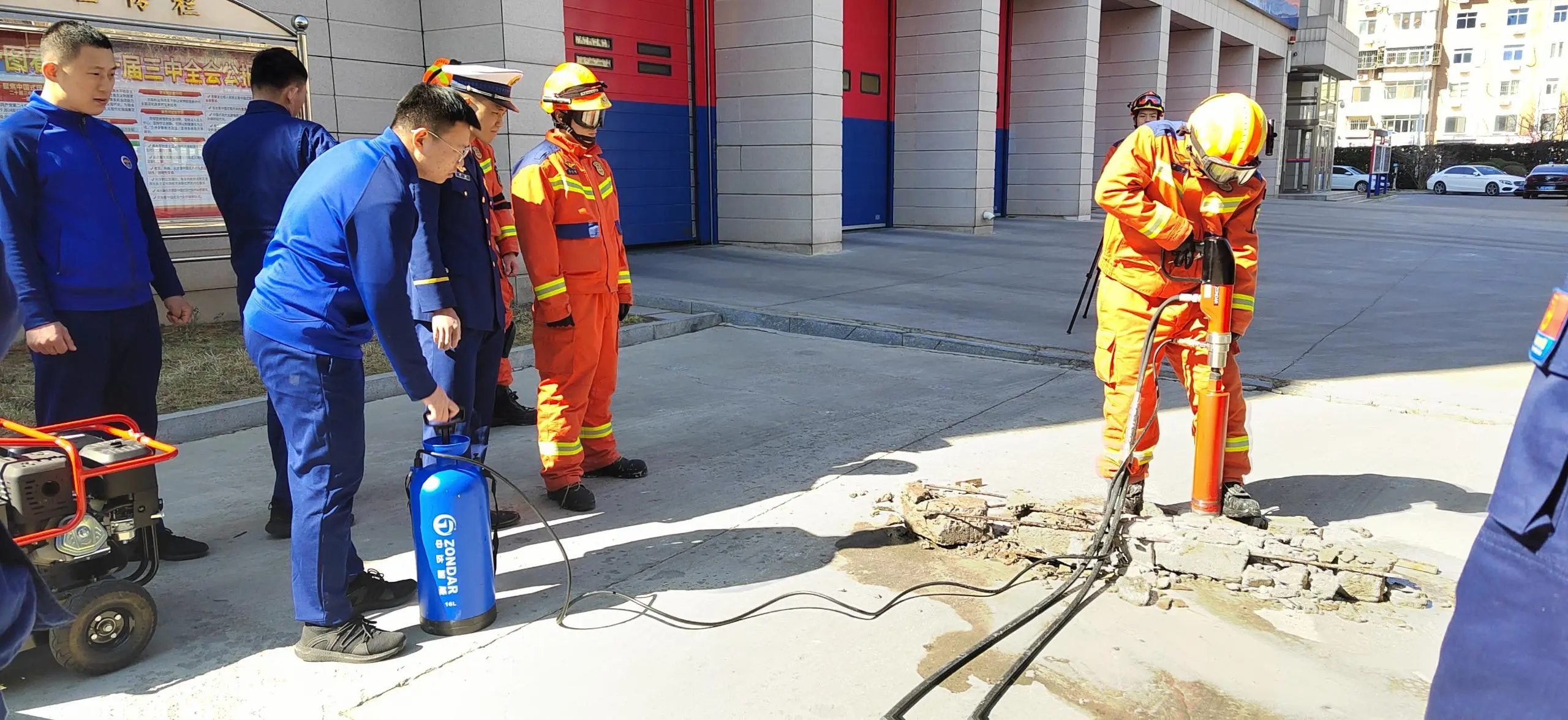
Core drill + HPU
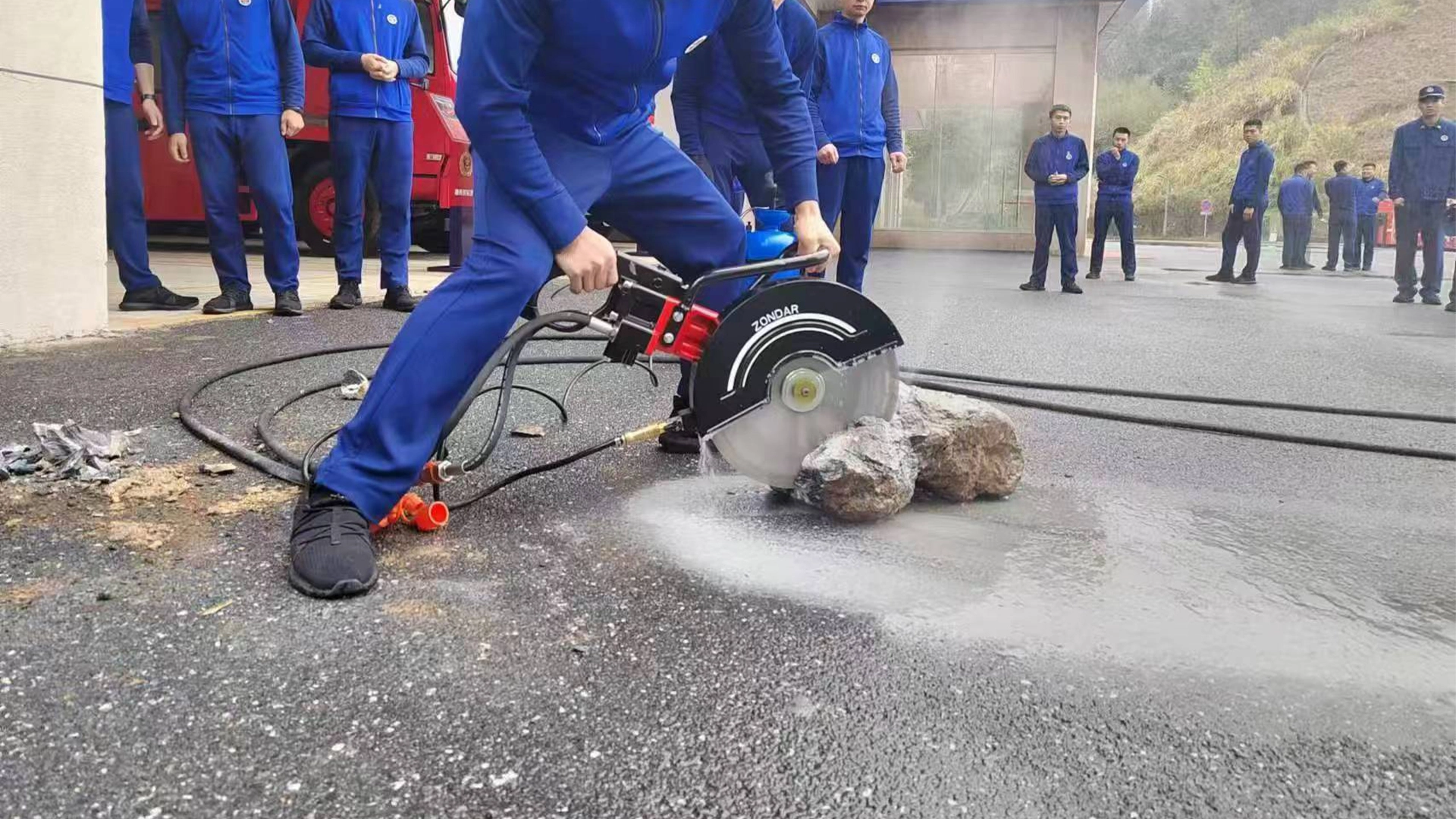
Cut-off saw + HPU
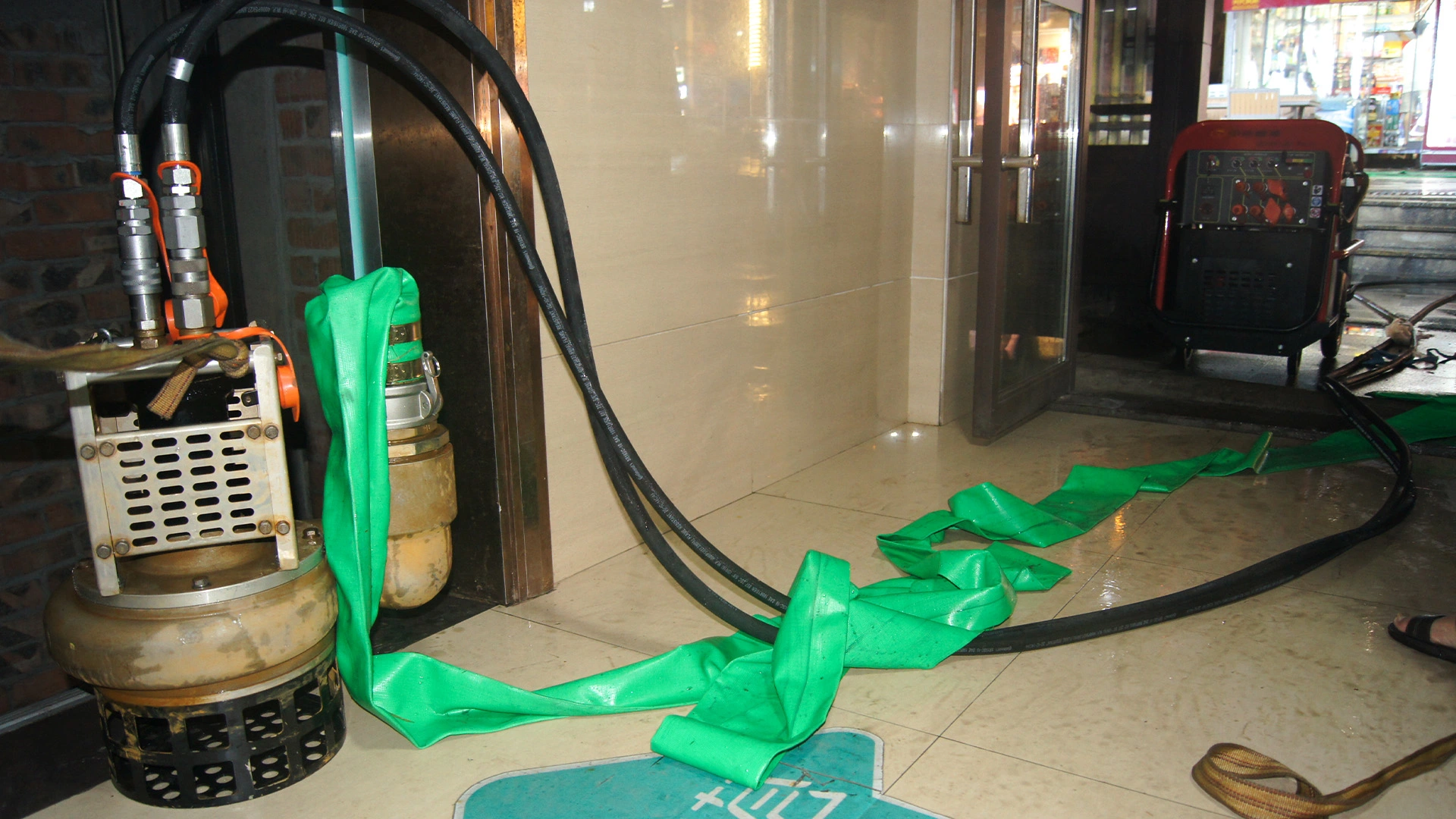
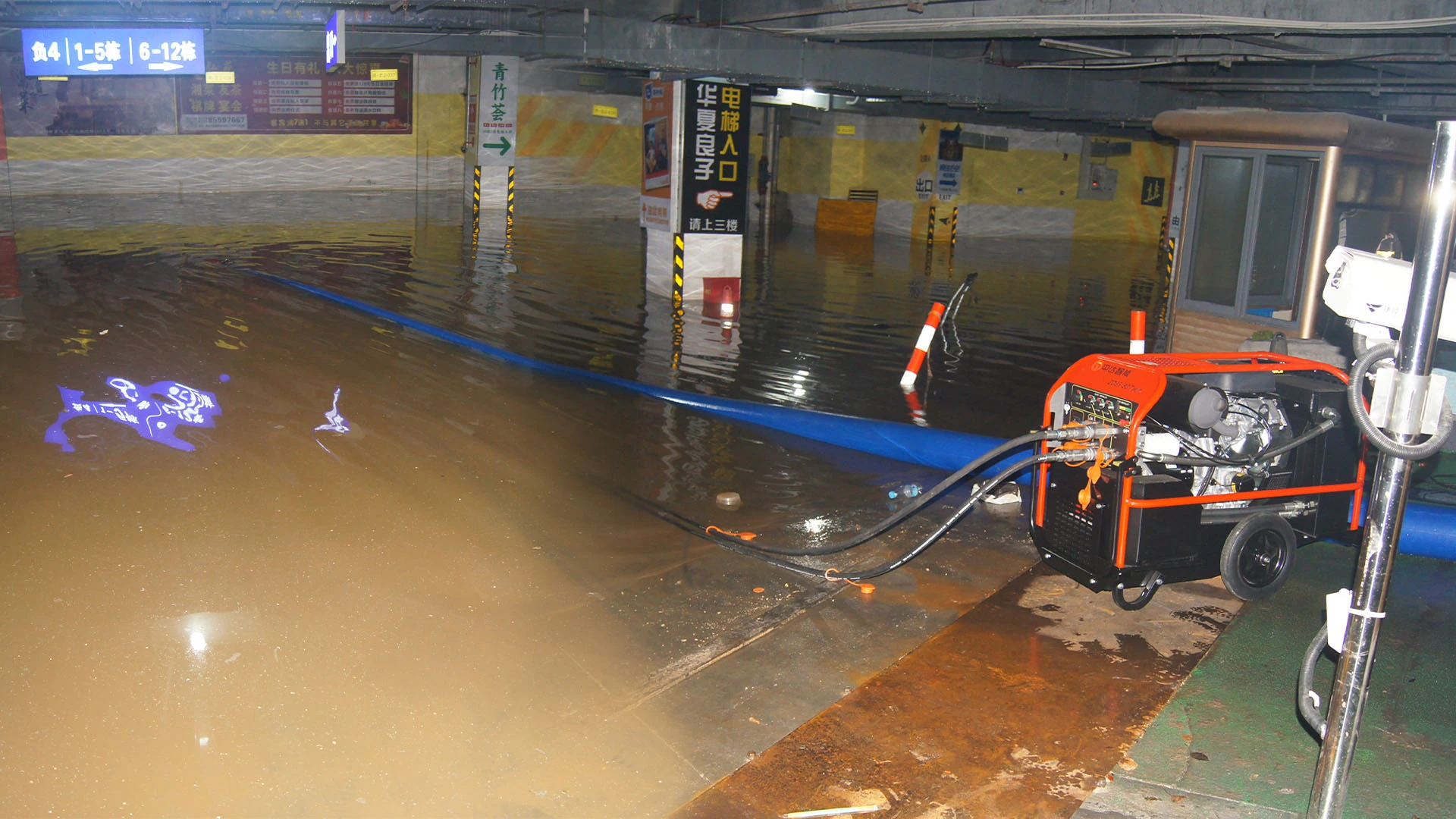
Submersible Pump+ HPU
Conclusion
Selecting the correct hydraulic power unit begins with understanding flow, pressure, cooling requirements, and jobsite conditions.
By choosing a properly matched hydraulic power pack, contractors can maximize tool performance, improve productivity, and extend equipment life while maintaining the flexibility required for demanding field operations.
Need Help Matching the Right Power Unit to Your Fleet? Talk to a ZONDAR technical expert today for a customized compatibility assessment.
FAQ
What size hydraulic power unit do I need?
The correct hydraulic power unit size depends on the flow and pressure requirements of the hydraulic tool you intend to operate. For example, handheld hydraulic breakers, rock drills, and chain saws typically require 20–30 L/min of hydraulic flow, while larger ring saws and pumps may require 20–40 L/min or more. Always match the power unit’s output to the tool manufacturer’s specifications.
Can one hydraulic power unit run multiple tools?
Yes. One hydraulic power unit can operate multiple hydraulic tools, provided that each tool falls within the power unit’s flow and pressure range.
Gasoline or diesel hydraulic power unit?
The choice depends on your application. Gasoline hydraulic power units are generally lighter, easier to transport, and ideal for road maintenance, utility work, and short-duration projects. Diesel hydraulic power units typically offer higher continuous output, improved fuel efficiency, and longer operating life, making them suitable for mining, large construction projects, and emergency response operations. Consider your operating environment, runtime requirements, and transportation needs before making a decision.
Can I use a third-party hydraulic power pack?
In most cases, yes. Hydraulic tools can often operate with third-party hydraulic power packs as long as flow, pressure, return-line requirements, and coupler specifications are compatible. Before connecting any hydraulic tool, verify the technical parameters of both the power source and the tool. If compatibility is uncertain, consult the equipment manufacturer or contact the ZONDAR technical team for guidance.
How much flow does a hydraulic breaker require?
Flow requirements vary depending on the breaker model. Most handheld hydraulic breakers typically operate within a range of 20–30 L/min. Larger demolition breakers may require significantly higher flow rates. Using insufficient flow will reduce impact energy and productivity, while excessive flow may cause overheating, excessive wear, or damage to internal hydraulic components. Always follow the manufacturer’s recommended operating range.
What happens if hydraulic flow is too high?
Excessive hydraulic flow can cause hydraulic motors and internal components to operate beyond their designed limits. Common issues include overheating, accelerated seal wear, excessive vibration, reduced equipment life, and potential component failure. High flow can be particularly damaging to hydraulic saws, drills, and pumps. If the available flow exceeds the tool’s requirements, a flow control valve or flow divider may be necessary to ensure safe operation.
Still unsure which hydraulic power unit is right for your application?
Contact the ZONDAR technical team for personalized recommendations based on your tools, hydraulic requirements, and jobsite conditions.
Related Guides
Flood Emergency Drainage Equipment Selection Guide
Hydraulic Tool Compatibility Guide
Case Study: Standing Together Through the Storm: ZONDAR’s Emergency Flood Response in Dongguan, China