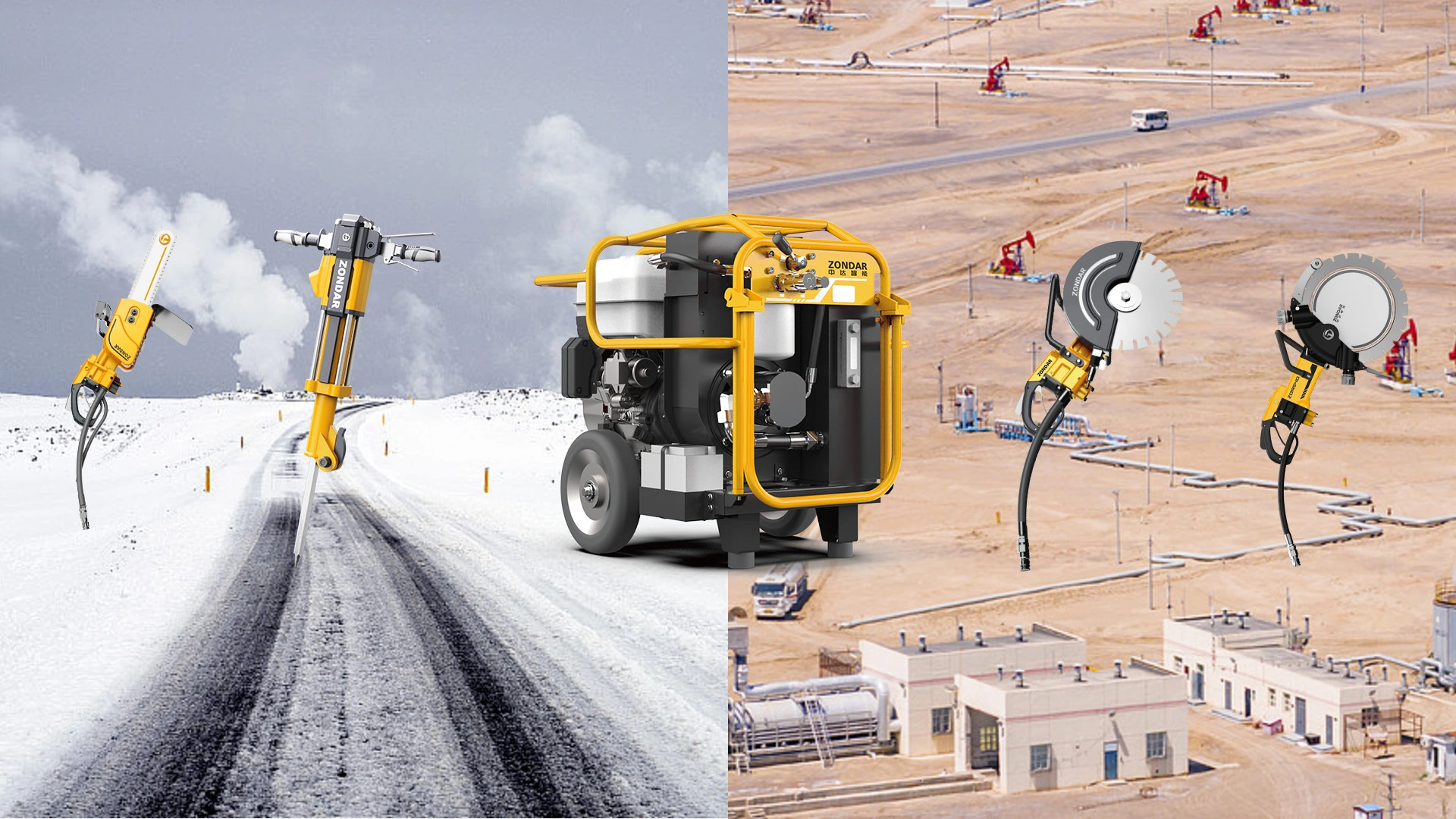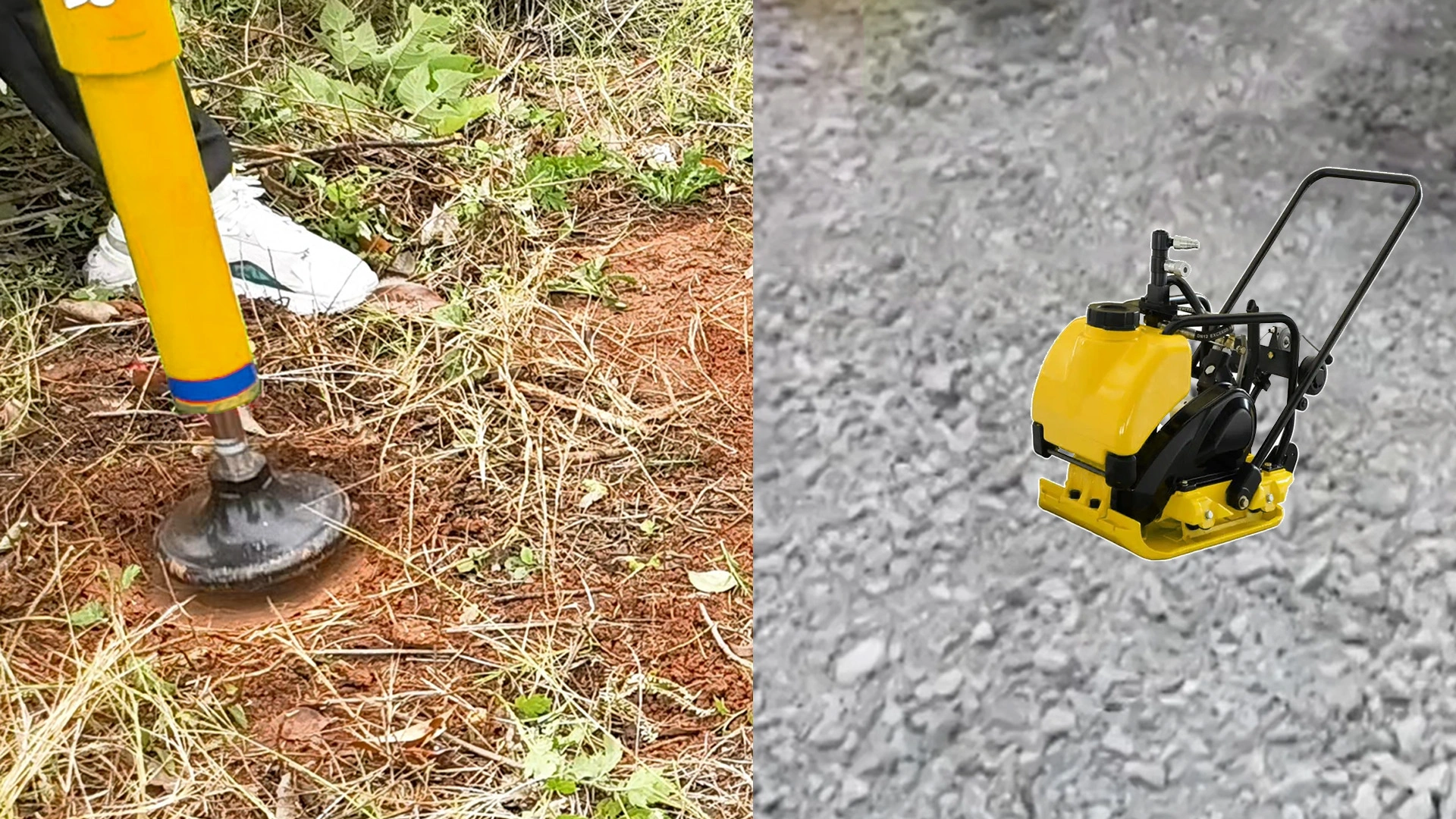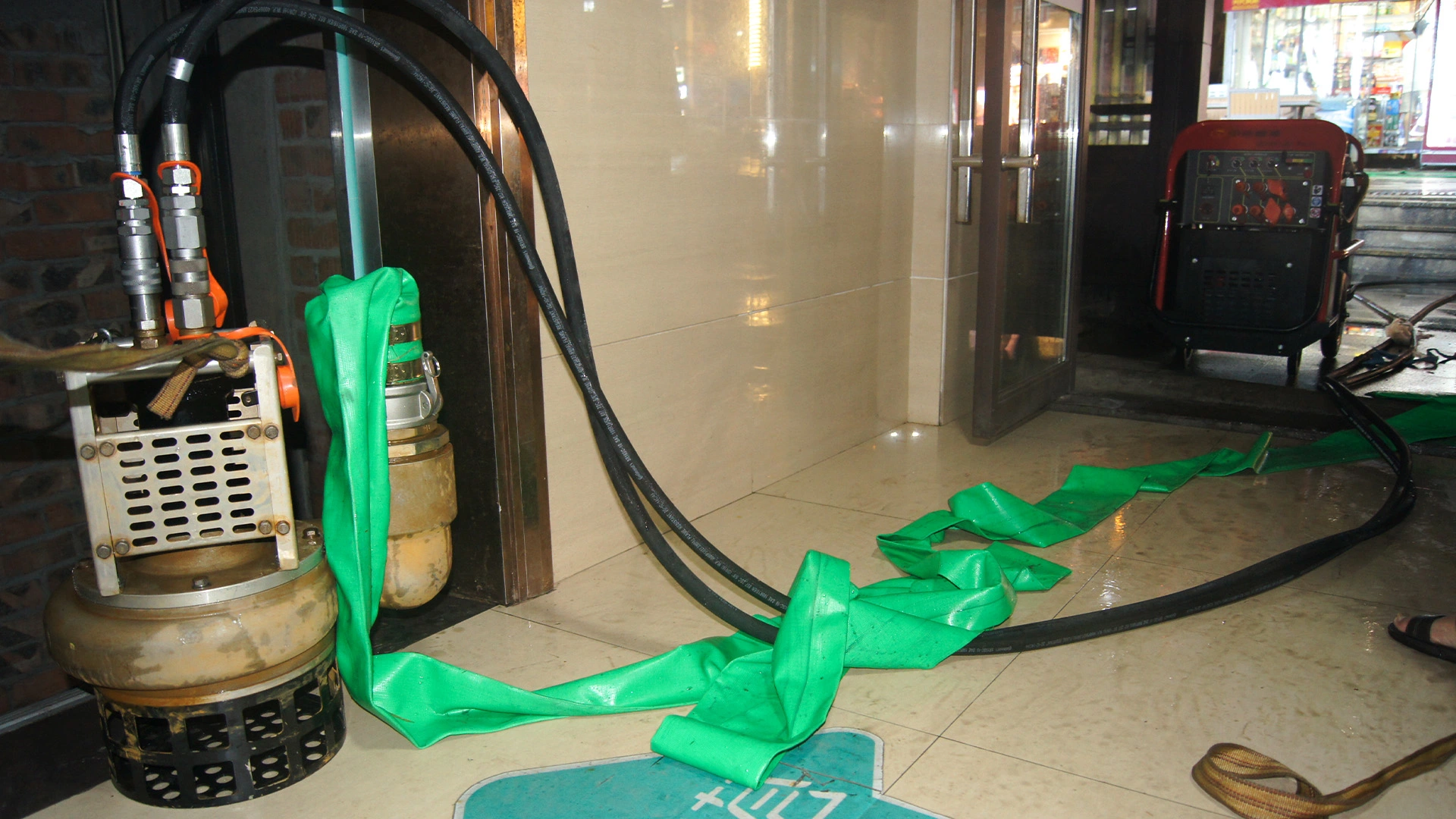
In emergency rescue operations, equipment is often judged by a single standard: Will it work immediately when lives depend on it? Portable hydraulic power units (HPUs) used for flood response, firefighting support, disaster rescue, tunnel maintenance, and municipal emergency operations are designed to operate in harsh outdoor environments. Ironically, the greatest threat to their reliability is not always heavy use—it is often long periods of storage without proper maintenance.
Reliable emergency equipment depends on two factors: manufacturing quality and maintenance discipline. High-quality components provide the foundation for long service life, while proper storage and preventive maintenance preserve that reliability during standby periods. How ZONDAR build reliability? Check “Quality Built Into Every Step: How ZONDAR Safeguards Reliability Through Precision Manufacturering and Safety-Focused Design”
Many operators assume that if a hydraulic power unit has not been used for several weeks or months, no maintenance is required. From an engineering perspective, this assumption is incorrect. Hydraulic systems age even when they are idle, and neglect during storage can lead to startup failure, reduced performance, internal corrosion, and expensive repairs when the equipment is finally needed.
Standby Rescue Equipment Is Different from Ordinary Construction Equipment
A construction machine that operates every day will usually reveal problems gradually through noise, leakage, overheating, or performance loss. Rescue equipment behaves differently. A portable HPU may remain unused for months and then be expected to start instantly during a flood, building collapse, power outage, or wildfire response.
That means the equipment is essentially operating in standby mode, similar to emergency generators or firefighting pumps. Standby equipment must maintain full operational readiness at all times. Failure during the first minute of deployment can delay rescue operations, increase property damage, and place personnel at risk.
For this reason, professional emergency organizations treat maintenance as a readiness requirement, not merely a repair activity.
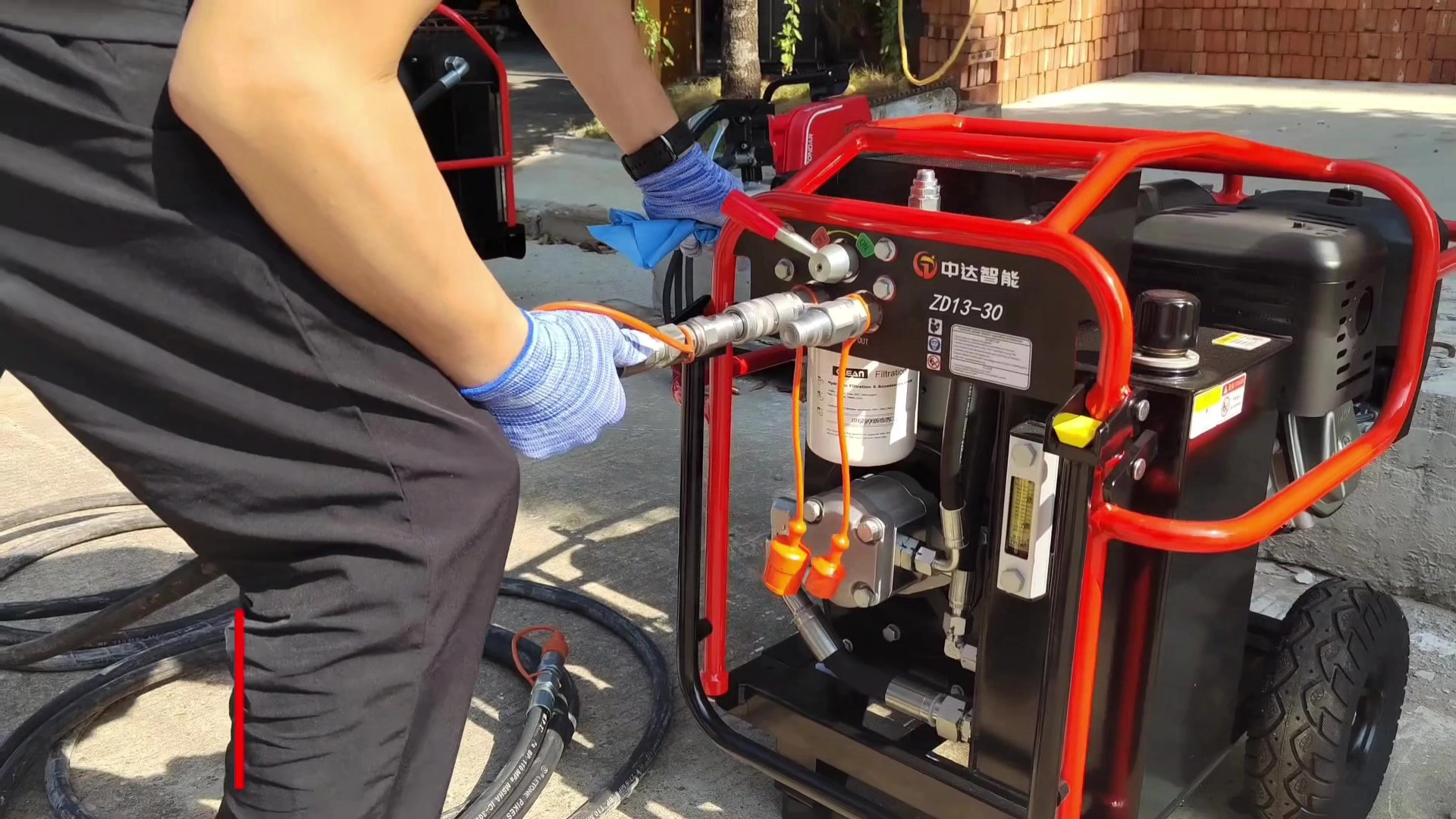
Hydraulic Oil Deteriorates Even When the Engine Is Off
Hydraulic oil is not a permanent fluid. During storage it is exposed to oxygen, moisture, and temperature fluctuations. Over time the oil can oxidize, absorb water from humid air, and lose some of its protective properties.
Common consequences include increased acidity in the oil, formation of varnish and sludge, reduced lubrication performance, corrosion of internal metal surfaces, and sticking valves and sluggish hydraulic response.
Outdoor rescue equipment is especially vulnerable because it is often stored in garages, containers, vehicles, or temporary depots where temperature and humidity change significantly between day and night.
A hydraulic power unit that appears clean externally may still contain degraded oil internally.
Moisture Condensation Is a Hidden Enemy
When ambient temperature drops, moisture in the air can condense inside hydraulic tanks and engine components. Even small amounts of water can cause significant problems:
- Rust on pump and valve surfaces
- Corrosion in hydraulic couplings
- Reduced dielectric and lubricating properties of the oil
- Cavitation damage during startup
- Freezing risk in cold climates
Machines stored near rivers, coastlines, flood-control stations, or outdoor rescue yards face particularly high condensation exposure.
Periodic inspection and proper tank sealing are therefore essential, even when the unit has not been operated.
Fuel Systems Degrade During Long Storage
Portable rescue HPUs commonly use gasoline or diesel engines. Fuel degradation is one of the most common causes of startup failure after extended storage.
Gasoline Units
- Fuel oxidizes and forms gum deposits
- Carburetor passages may become blocked
- Starting becomes difficult
- Idle stability deteriorates
Diesel Units
- Fuel can absorb moisture
- Microbial growth may develop in tanks
- Sediment can clog filters and injectors
- A simple regular check is important to identify problems before an emergency occurs.
- Idle Hydraulic Components Can Stick
Control valves, directional spools, pressure relief valves, and quick couplers may stick when left stationary for long periods. Light corrosion films or dried contamination can increase operating force.
Periodic exercise of hydraulic controls helps maintain free spool movement, redistribute lubricant films, detect abnormal resistance, and prevent seizure of rarely used functions.
This is particularly important for multi-circuit rescue power packs that may power concrete cutters, hydraulic breakers, slurry pumps, diamond chainsaws, or rock drills.
Storage Damage Often Appears During the First Emergency
One of the most dangerous aspects of neglected storage is that the machine may seem normal until the moment it is needed. Typical field failures include:
- Engine starts but stalls under load
- Hydraulic pressure builds slowly
- Relief valve sticks open
- Couplers leak when connected
- Hoses burst during pressurization
- Pump noise indicates cavitation
- Battery cannot crank the engine
These failures frequently occur during the first deployment after a long idle period, exactly when repair time is least available.
Long-Term Storage Requires Full Maintenance According to the Service Manual
One important point is often overlooked by equipment owners: a portable hydraulic power unit must still be maintained according to the manufacturer’s service manual even when it has not been used for an extended period.
Many operators believe that if the engine has accumulated very few operating hours, the lubricants can remain in service indefinitely. In reality, engine oil ages with time as well as with operating hours. Oxidation, moisture absorption, and chemical degradation continue during storage. For this reason, ZONDAR recommends replacing the engine oil at least once every year, even if the power unit has not been operated.
For units that will remain out of service for a long period, ZONDAR also recommends following the storage procedure described in the operation and maintenance manual. In particular, the hydraulic oil should be completely drained from the hydraulic tank before long-term storage. Removing the hydraulic oil helps reduce moisture contamination, internal corrosion, sediment formation, and deterioration of the oil during prolonged idle periods.
Recommended Long-Term Storage Actions
- Replace engine oil annually regardless of operating hours.
- Drain the hydraulic tank completely before extended storage.
- Clean the tank and hydraulic connections as specified in the manual.
- Seal all hydraulic ports and quick couplers with protective caps.
- Store the unit in a dry, ventilated environment away from direct sunlight.
These measures are especially important for rescue equipment stored seasonally after flood-response or emergency operations.
Always Turn Off All Switches After Operation
Another common cause of standby failure is battery discharge after the equipment has been parked. After each operation, all electrical switches must be returned to the OFF position before storage.
If an ignition switch, work light switch, control switch, or auxiliary electrical circuit remains on, a small parasitic current can continue to draw power from the battery for days or weeks. This can lead to:
- Battery discharge
- Sulfation of the battery plates
- Reduced battery capacity
- Failure to start during the next emergency
- Permanent battery damage or battery scrapping
For emergency rescue fleets, a discharged battery means the power unit may be unavailable at the moment it is needed most.
ZONDAR Shutdown Checklist
Before storing the power unit after use:
- Stop the engine completely.
- Return hydraulic controls to neutral.
- Turn OFF the ignition switch.
- Turn OFF work lights and auxiliary electrical switches.
- Disconnect external electrical accessories if fitted.
- Verify that no indicator lights remain illuminated.
Additional Preventive Maintenance Checklist
In addition to the monthly and annual maintenance schedule, ZONDAR recommends the following storage-specific checks:
| Item | Recommended Action |
| Engine oil | Replace per service manual. If it idle as long as a year, it shall be replaced every 12 months regardless of operating hours |
| Hydraulic oil during long-term storage | Drain completely from the tank |
| Battery | Check charge monthly and recharge as necessary |
| Electrical switches | Confirm all switches are OFF after each use |
| Hydraulic couplers | Install protective caps |
| Storage area | Keep dry, ventilated, and protected from rain and sunlight |
Following these procedures helps ensure that a portable hydraulic power unit remains in true emergency-ready condition throughout its standby period.
A Real-World Rescue Scenario
Imagine a municipal flood-response team storing a portable hydraulic power unit for eight months after the rainy season. The unit receives no inspection. During the next major storm, operators attempt deployment and discover that the battery is discharged and the hydraulic coupler seal has cracked from aging. Pumping is delayed while replacement parts are sourced.
Now consider the same unit under a preventive program: monthly battery checks, quarterly exercise runs, and semiannual hose inspection. The defects would have been discovered during routine maintenance rather than during an active flood emergency.
The difference is not luck—it is maintenance discipline.
Why ZONDAR Emphasizes Preventive Maintenance
At ZONDAR, our portable hydraulic power units are engineered for emergency rescue, flood control, firefighting support, utility maintenance, and other mission-critical operations. We design these systems for durability, but durability does not eliminate the need for maintenance.
Our field experience shows that units receiving regular standby maintenance demonstrate:
- Higher first-start success rates
- More stable hydraulic pressure
- Longer hose and seal life
- Reduced corrosion-related failures
- Lower lifetime operating cost
- Better readiness for sudden deployment
For rescue organizations, readiness is the true measure of equipment quality.
Conclusion
Reliable rescue performance does not depend only on the equipment itself, but also on proper maintenance practices, technical support, and a manufacturer that understands real-world operating conditions.
At ZONDAR, we believe reliable hydraulic equipment is built throughout the entire lifecycle — from engineering design and manufacturing quality to maintenance guidance and after-sales support.