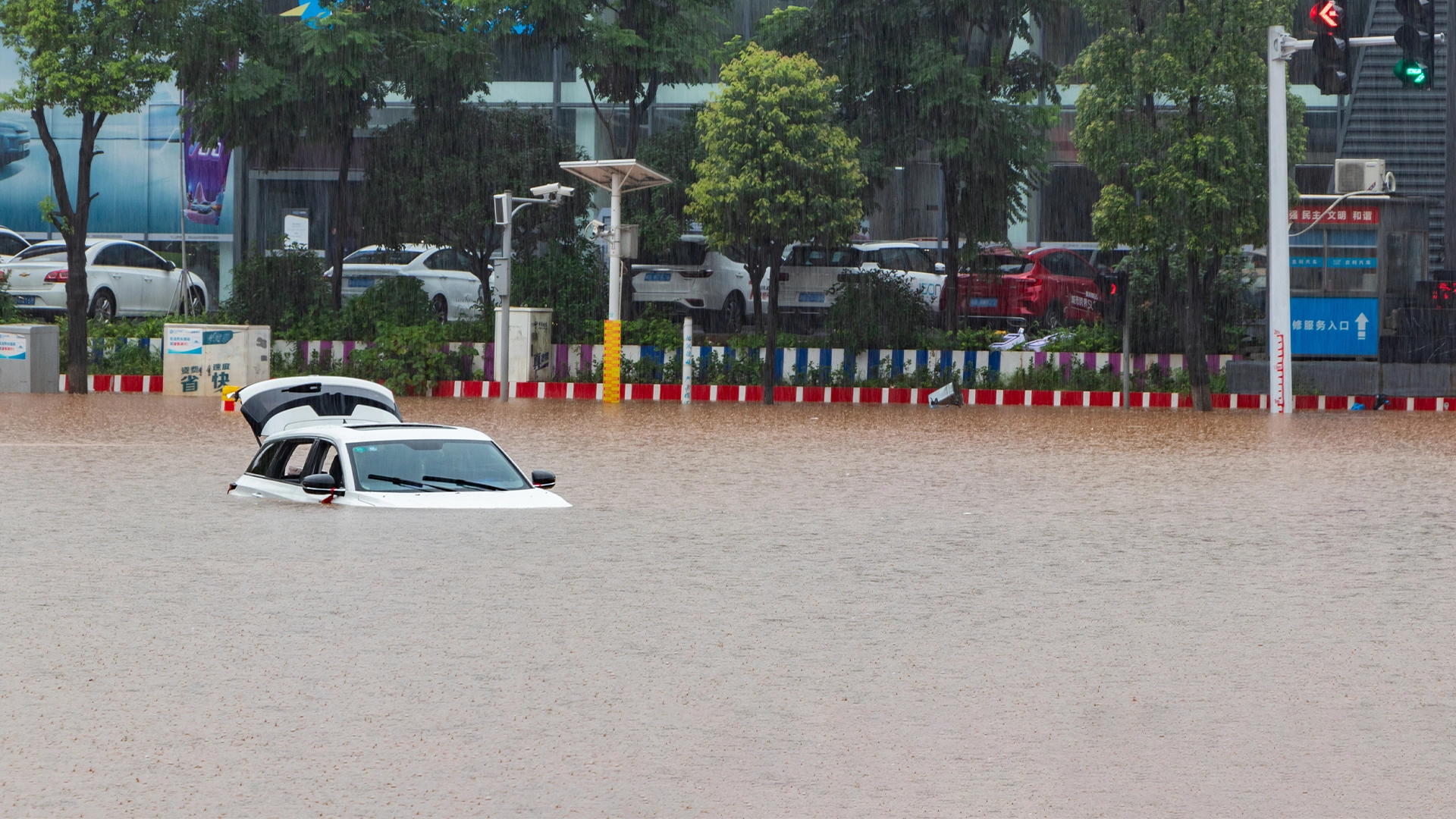
The sky breaks. The rain is relentless. The city is officially on high alert.
When flash floods breach the sidewalks, turn the underground floors of shopping mall into subterranean lakes, and cascade down subway stairs, a collective sense of helplessness sets in. Facing tens of thousands of cubic meters of raging water, traditional defenses like sandbags and shovels feel laughably small.
To make matters worse, conventional emergency infrastructure hits a hard ceiling:
- The Clearance Trap: Massive, multi-ton drainage trucks are blocked at the gates by low-clearance ceilings (2 meters or less), left stranded on high ground while the disaster unfolds below.
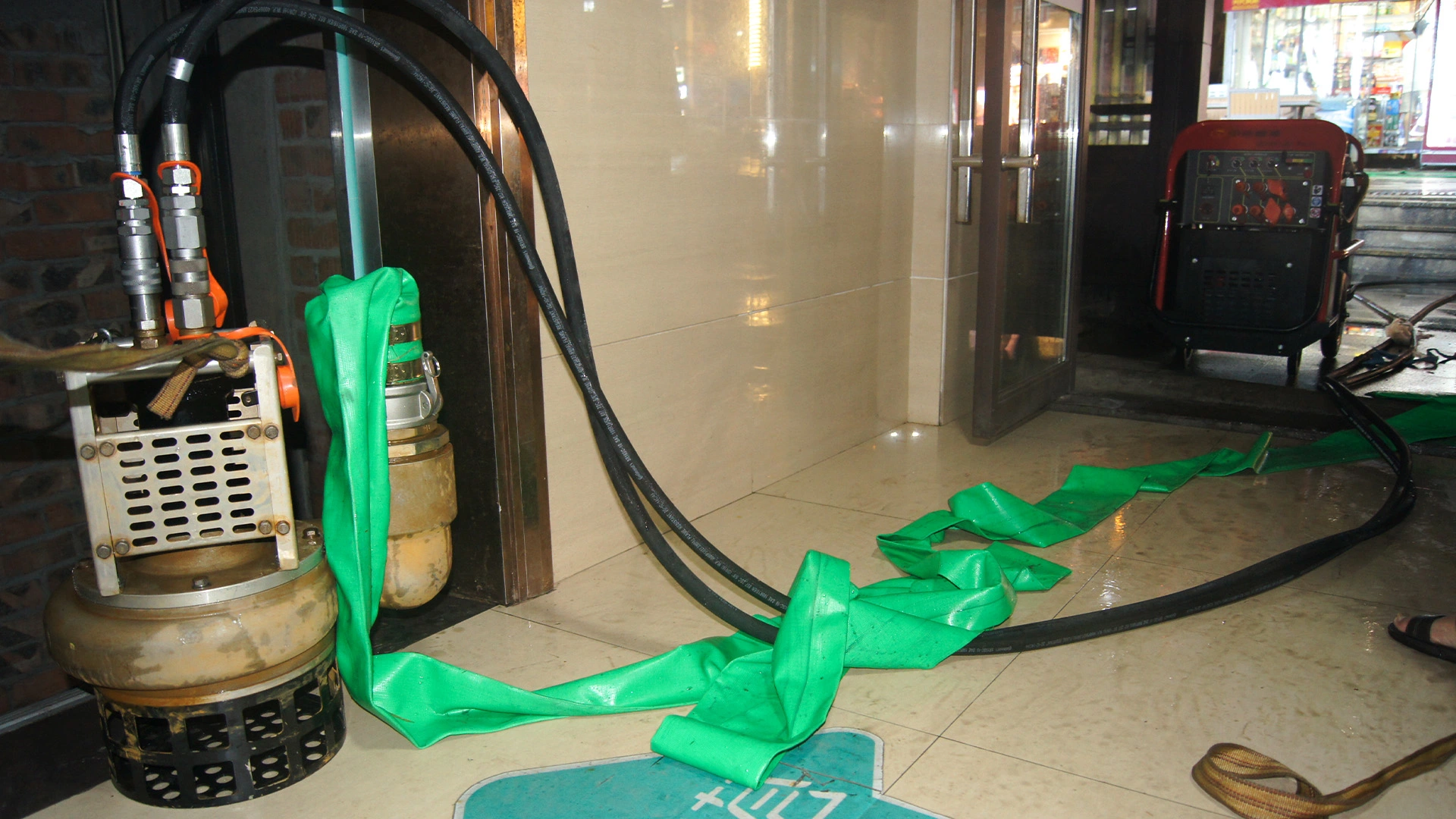
- The Electric Nightmare: Standard electric submersible pumps are a catastrophe waiting to happen. Feed them a mix of mud, plastic bags, and tree branches, and their motors instantly seize and burn out. Worse, frayed cables underwater turn the entire rescue zone into a lethal electrical hazard.
When subterranean spaces become death traps, who goes in?
Enter the ultimate paradigm shift in emergency management. ZONDAR has unleashed the “Avengers” of flood response: the Remote-Controlled Tracked Flood Hydraulic Drainage Robot Series (ZDPLC-1200, ZDPSC-800, and ZDPSC-300).
Let’s tear down the hood of these real-life Transformers and look at why hydraulic muscle is the ultimate flex against extreme weather.
The Fatal Flaws of Electric Pumps—And How ZONDAR crushes them
in an era where everything is going electric, you might ask: Why do the world’s most advanced drainage robots run on “old-school” hydraulic power?
Because in a worst-case flood scenario, electricity is a liability. Hydraulics are armor plating.
1. Zero Shock Hazard: Submersion is Their Natural Habitat
The Old Way: If an electric pump’s seals fail or debris slices a cable, it creates an underwater death trap. First responders can’t go anywhere near it.
The ZONDAR Way: Our robots run on a completely sealed, hydraulic oil system. No exposed wires, zero electrical sparks.
2. The “Anti-Choke” Guarantee: Chewing Through Debris
Floodwater isn’t tap water; it’s a violent slurry of trash, gravel, and organic debris.
The Old Way: A single plastic bag or a rogue rock jams the electric impeller, drawing massive current and instantly frying the motor.
The ZONDAR Way: Powered by a high-torque hydraulic motor system, ZONDAR pumps eliminate electrical hazards entirely while maintaining unrelenting mechanical force. Built with a rugged, corrosion-resistant housing and a heavy-duty, anti-clogging open impeller, the system easily processes thick slurry, mud, and water mixed with up to 25% solid content—including sand, sludge, and stones. If a piece of debris attempts to choke the system, the high-torque hydraulic drive pushes right through the obstruction to spit the solids out, while its built-in idle protection ensures the pump sustains zero damage even during dry running.
3. “Modular Separation” Tech: Ultimate Power Density
ZONDAR robots are built to dive straight into the action, driving directly into heavily flooded areas to immediately begin high-capacity pumping. Once they draw the water down to a safe level, the robots locate the drainage system’s primary access points, such as manhole covers. From there, the robot’s detachable pump system is disassembled and deployed deep into the drainage shafts, continuously discharging the remaining water until the ground is completely dry and visible.
The Lineup: Three Beasts, Three Distinct Mission Profiles
No two floods are identical. That is why ZONDAR Smart engineered a specialized robotic trio to handle everything from subway shafts to mudslides:
| Crucial Metrics(The Torrent Killer) | ZONDAR ZDPLC-1200 | ZDPSC-800(The Amphibious King) | ZDPSC-300(The Terrain Master) |
| Tactical Role | Massive Volume / Deep Fording | Amphibious All-Terrain Rescue | High-Head Pump / Obstacle Clearance |
| Max Flow Rate | 1200 m3/h (Empties an Olympic pool in ~2 hours) | 800 m3/h (High-efficiency medium output) | 30 m3/h (Insane vertical lift capacity) |
| Mobility / Chassis | Heavy-gravity ballast traction. 700 mm fording depth | Ultra-wide amphibious tracks. Flies through liquid mud | Innovative Quad-Track setup. Climbs 30° stairs and debris |
| Pump Design | Detachable independent pump | Detachable independent pump | Detachable independent pump |
| Best Deployment | Intersections, massive commercial garages, critical roads. | River breaches, mudslides, wetlands, debris basins. | Deep subway shafts, multi-level basements, collapsed infrastructure. |
Real-World Action: How the Fleet Operates in the “Golden 72 Hours”
Picture this nightmare scenario: A catastrophic storm has flooded a multi-level subterranean shopping mall and connected transit station. The water is nearly touching the ceiling. The channels are tight, blocked by collapsed drywall and steep stairs. It is too dangerous for human divers.
ZONDAR’s deployment team rolls up. The back doors of the command vehicle drop. The robotic fleet rolls out into the rain.
Scenario 1: The ZDPSC-300 Storms the Gates
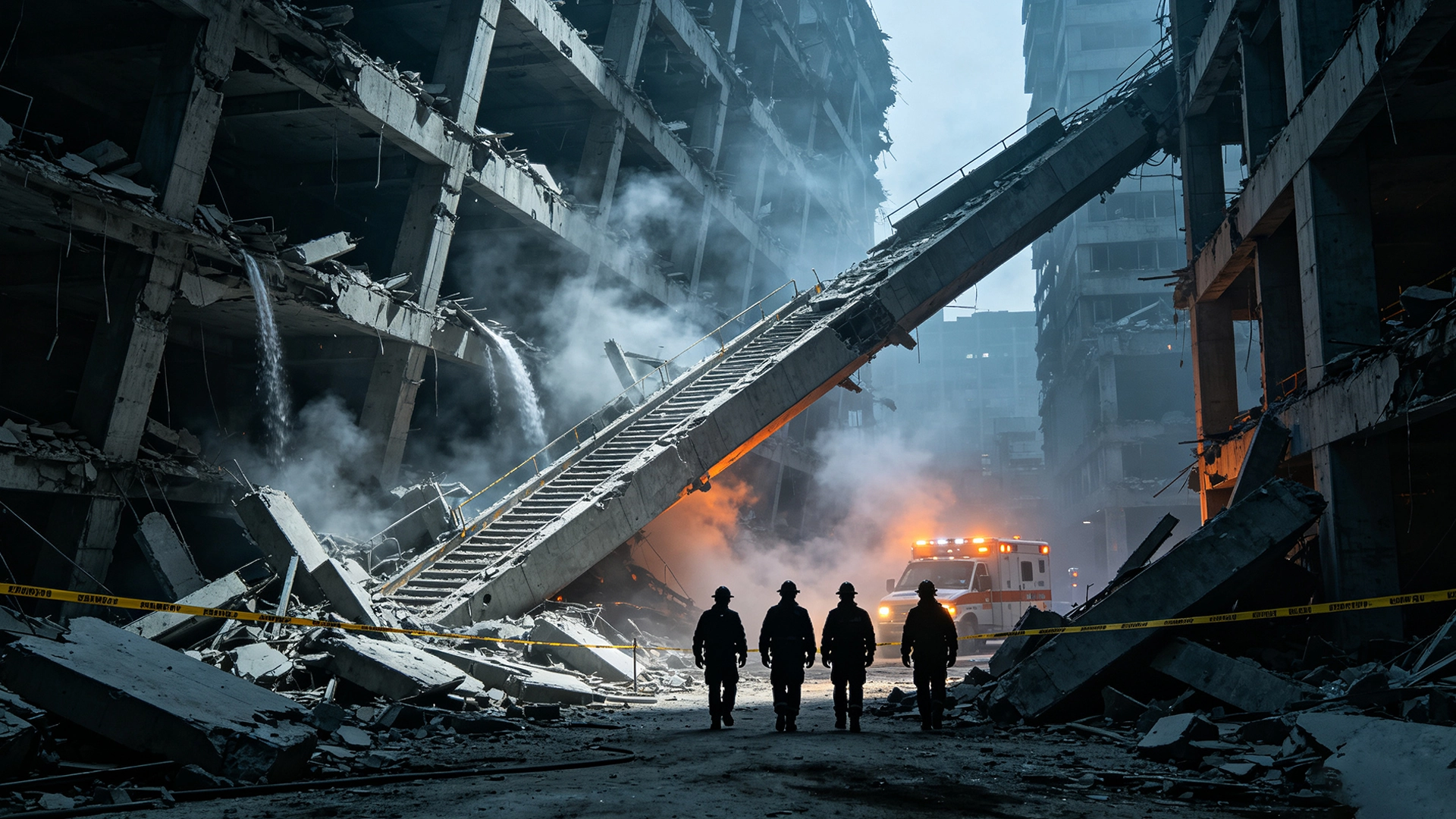
Facing a slippery, debris-strewn 30°subway staircase, the ZONDAR ZDPSC-300 articulates its quad-track chassis. It climbs over collapsed concrete like a mini-tank, crawling deep into the lower levels. Armed with a high-head pump, it generates massive vertical pressure, effortlessly blasting water up from the deep bowels of the subway line back to the street level.
Scenario 2: The ZDPLC-1200 Opens the Floodgates
At the main parking garage ramp, the massive ZONDAR ZDPLC-1200 fording depth to march directly into the torrent. Its heavy-ballast design keeps it pinned to the ground against ripping currents. The operator hits a switch, the massive 1200 m3/h pump detaches, dropping into the depths. Heavy-duty hoses expand instantly as a literal “Dragon’s Vortex” begins pulling a massive volume of water out of the structure. The water level drops visibly by the minute.
Scenario 3:ZONDAR ZDPSC-800 Turning the Tide on Deep-Water Flooding
In a critical urban area upon a sudden, severe flood, the water is deep, highly contaminated with debris, and rising fast. Traditional equipment can’t get close enough without risking engine failure or electrical hazards.
Instead of getting bogged down or waiting for the water to recede, the ZDPSC-800 is deployed directly into the deluge. Thanks to its specialized amphibious engineering, the robot floats right on the surface, navigating the deep water with ease to begin high-capacity pumping immediately.
The Bottom Line
From the early days of manual sandbagging to the era of automated, unmanned, hydraulic heavy machinery, technology is completely rewriting the rules of climate resilience.
We cannot always stop extreme weather from hitting our cities. But with the ZONDAR ZDPLC1200, ZDPSC800, and ZDPSC300 series—these iron beasts built to swallow floods and dive into danger—modern cities finally have the ultimate, unyielding line of defense.
Let’s Talk Procurement & Solutions:
ZONDAR is dedicated to arming municipal flood control, fire rescue teams, and emergency management departments with elite, unmanned hydraulic solutions.
Visit our Official Product Center or drop a message to our B2B sales engineers today for full technical sheets, live demo bookings, and tailored fleet configurations. Let’s make your infrastructure flood-proof.