Extreme rainfall and flash floods have become recurring crises for modern cities worldwide. When torrential downpours overwhelm aging municipal drainage networks, low-lying roads, underground parking garages, subway tunnels and residential basements rapidly fill with murky floodwater mixed with mud, sand, fallen branches, plastic waste and construction debris. Traditional dewatering solutions—fixed drain pumps, electric submersible units and small portable water pumps—often fail to keep pace during emergency flood response.
Electric pumps face fatal flaws in flood zones: reliance on unstable grid power creates electrocution hazards in fully submerged mud; long extension cables trigger voltage drops and overheating; narrow impellers clog instantly with flood-borne solids, halting drainage at the most critical moment. Fixed pumping stations lack mobility and cannot be rapidly deployed to scattered waterlogging hotspots across sprawling urban areas.
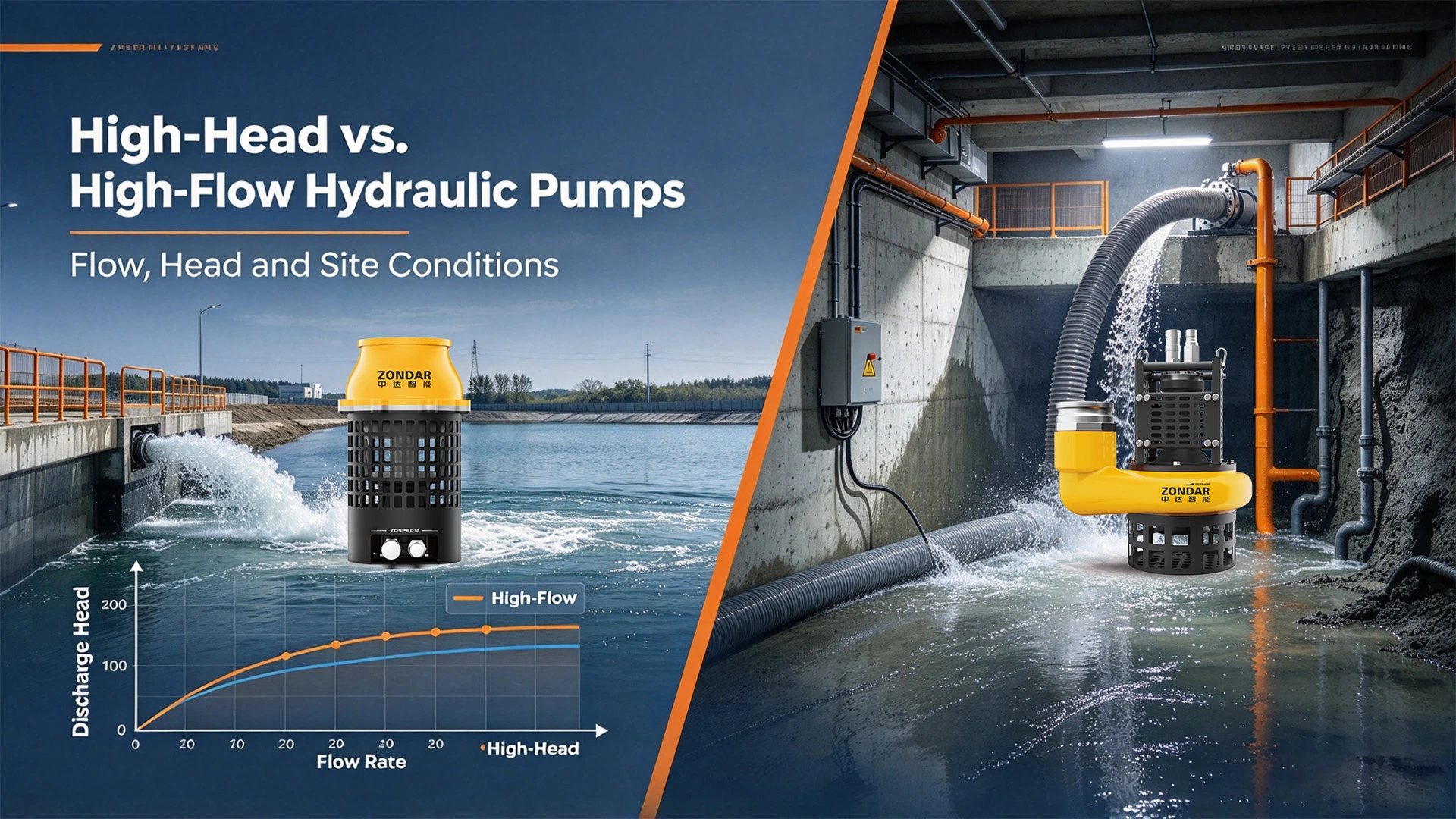
Portable hydraulic slurry pumps have emerged as the gold-standard high-volume dewatering solution for flash flood mitigation. Separating power generation from submerged pumping heads via hydraulic transmission, these rugged, compact systems deliver non-stop, clog-resistant large-flow pumping in off-grid, debris-heavy flood environments. This article breaks down their working principles, core advantages, real urban flood applications and key selection criteria for municipal flood control teams, engineering contractors and disaster response agencies.
The Unique Working Principle of Portable Hydraulic Slurry Pumps
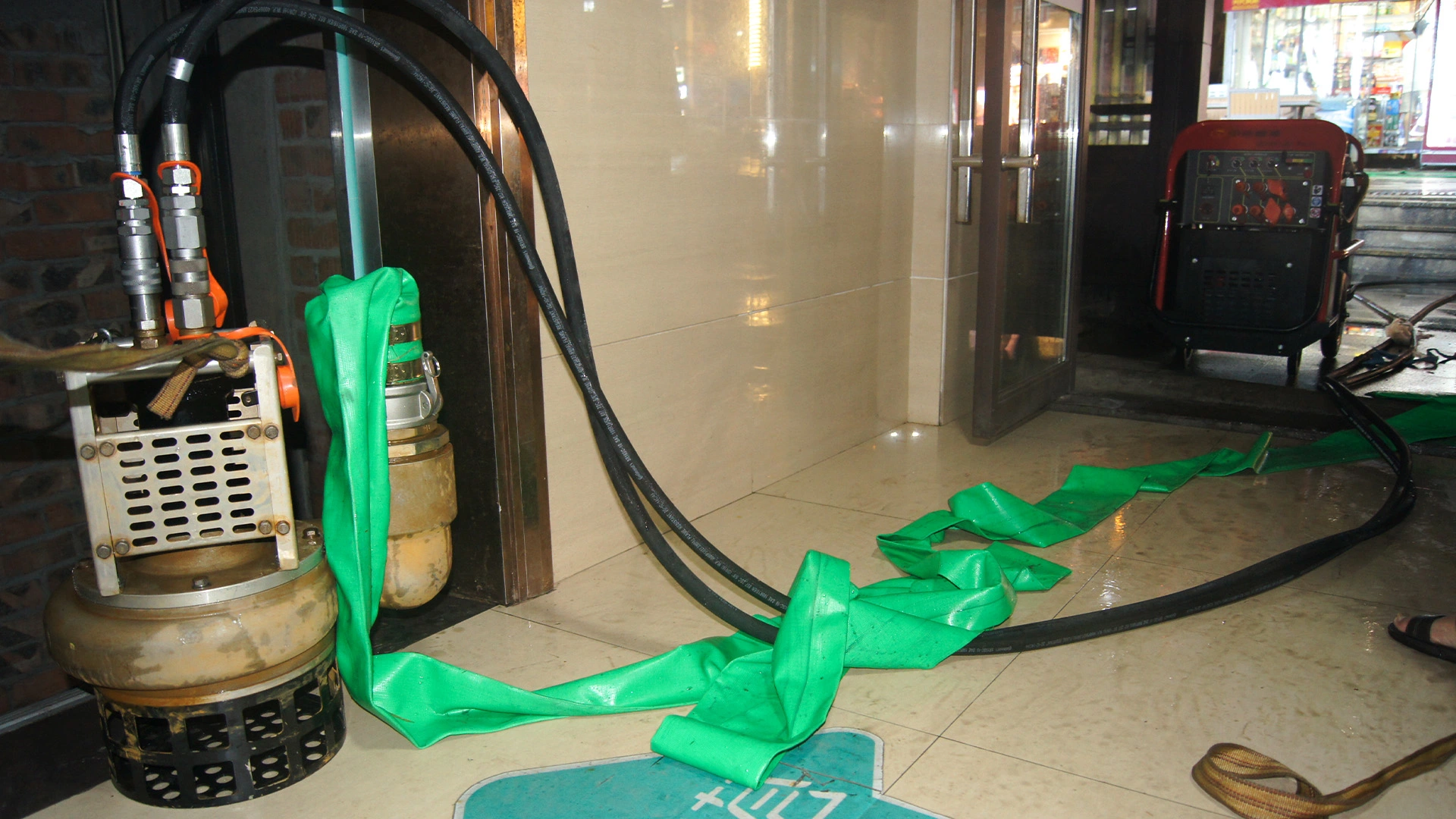
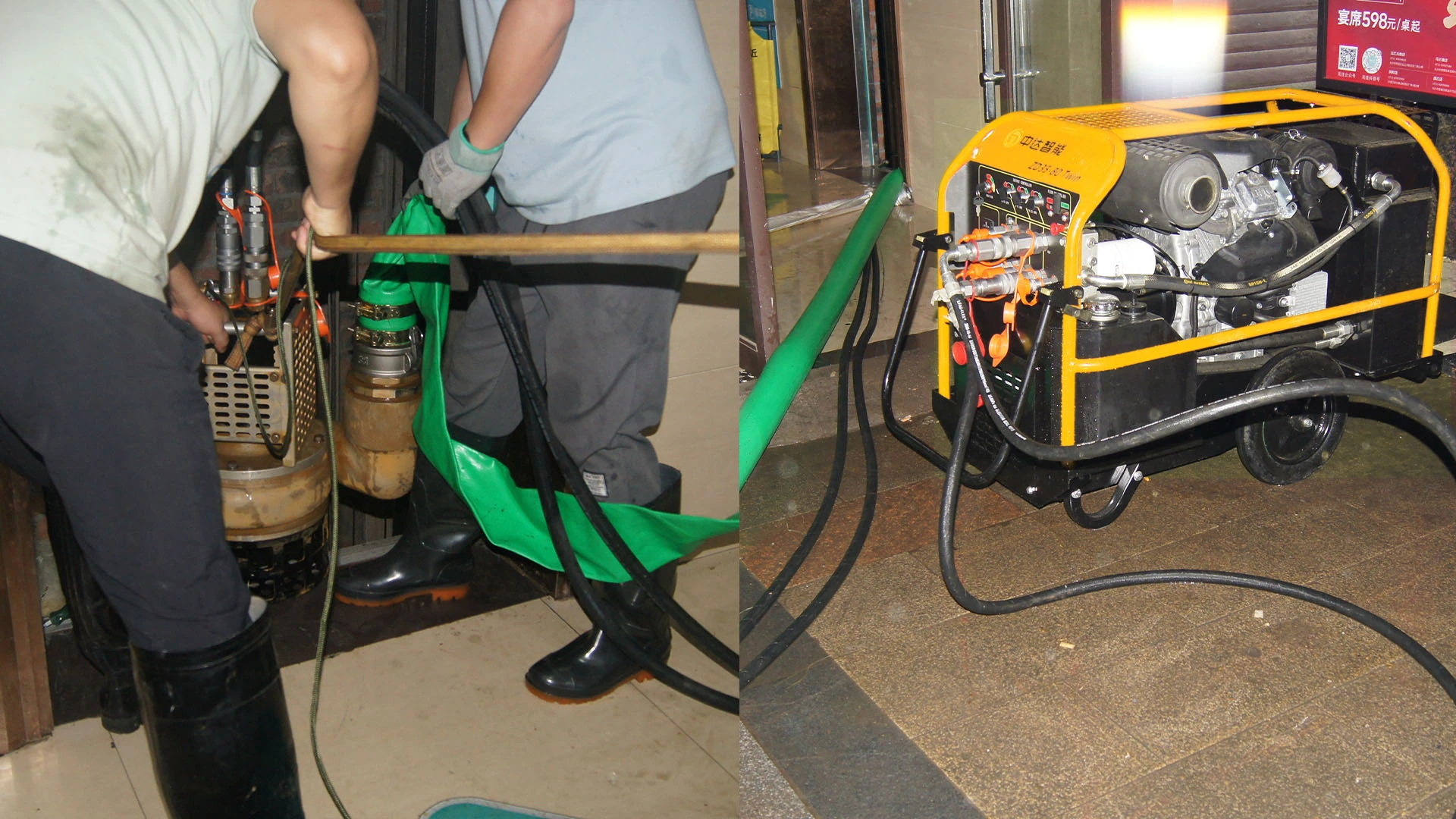
Unlike electric pumps that mount vulnerable motors directly inside submerged fluid, portable hydraulic slurry pumps adopt a split modular two-part design: a mobile hydraulic power pack and a lightweight submersible slurry pump head connected by reinforced hydraulic hoses.
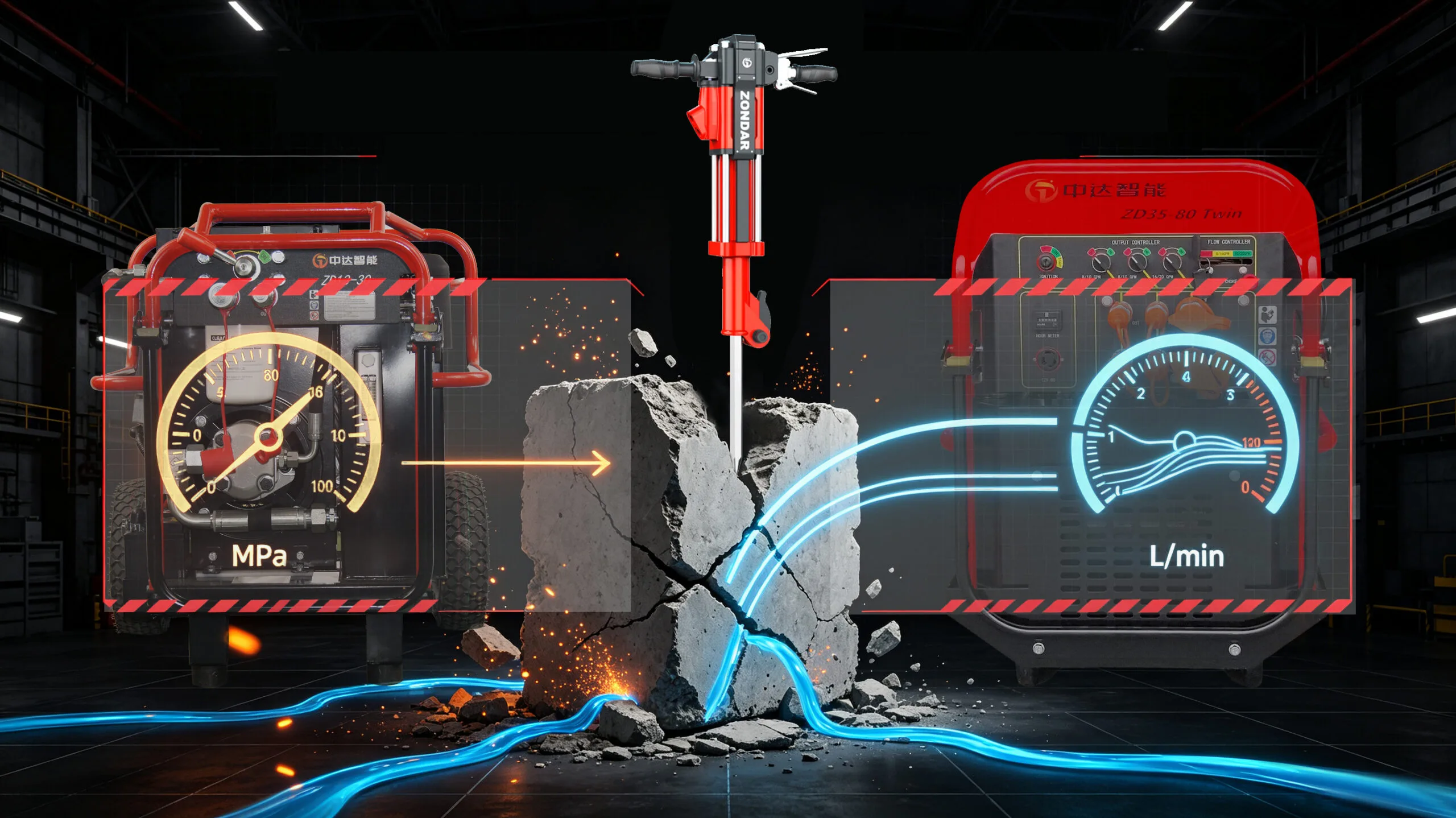
Power generation stage: A gasoline/diesel engine inside the compact power unit generates high-pressure hydraulic oil, requiring no municipal electricity to operate. One power pack can drive single or dual pump heads simultaneously for doubled drainage output.
Underwater transmission stage: Pressurized hydraulic fluid flows through insulated hoses to the hydraulic motor sealed within the pump body. No electrical wiring or live components exist on the submerged pump unit, eliminating all short-circuit and electrocution risks in muddy floodwaters.
High-volume slurry pumping stage: The hydraulic motor delivers constant high torque to a wear-resistant centrifugal impeller. Wide, unobstructed flow passages allow large solid particles (sand, gravel, twigs up to 80mm) to pass through without blockage. Centrifugal force continuously draws thick flood slurry and discharges it at high flow rates to designated drainage points, rivers or temporary holding zones.
Lightweight cast alloy pump bodies enable one or two operators to carry, lift and submerge the unit within minutes, while wheeled power packs support fast truck transport to remote flooded neighborhoods, tunnel entrances or underground facilities.
Core Advantages for Urban Flash Flood Dewatering
1. Zero Power Grid Dependence & Superior Flood-Site Safety
Grid power almost always fails during severe flash floods, rendering all electric pumping equipment useless. Hydraulic power units run on readily available fuel, launching within 5–10 minutes on-site. Since the submerged pump contains zero electric parts, teams can safely deploy units in fully flooded basements, submerged subway platforms and waterlogged construction pits without shock risks.
2. High-Volume, Clog-Resistant Continuous Slurry Handling
Flash flood water is never clean—it carries high concentrations of silt, trash and organic debris that stall standard water pumps. ZONDAR portable hydraulic slurry pumps feature oversized vortex impellers and abrasion-resistant alloy casings, handling fluid with up to 25% solid content non-stop. Flow rates range from 50 m³/h compact models up to 600 m³/h heavy-duty variants, enabling mass water removal to clear critical urban infrastructure within hours. Even with constant sediment intake, the hydraulic cooling system prevents motor burnout for 24/7 uninterrupted operation.
3. Ultra-Portable, Rapid Emergency Deployment
Municipal flood response demands fast coverage of scattered waterlogging hotspots spanning residential blocks, arterial roads and underground transit. Key mobility strengths include:
Compact split design: Pump heads weigh a fraction of comparable electric slurry pumps, easy to carry down narrow stairwells or into cramped tunnel passages
Wheeled hydraulic power packs fit standard pickup trucks, with full assembly ready for operation in under 30 minutes after arrival at disaster sites
Modular hose extensions support remote pumping from deep basins without relocating the power unit on dry ground
4. Low Long-Term Maintenance & Wide Environmental Adaptability
Constant exposure to corrosive mud and rain quickly wears out electric pump windings and seals. Hydraulic slurry pump wear components (impellers, liners) are simple, affordable to replace, with no fragile electrical windings vulnerable to water damage. The hydraulic drive automatically adjusts torque based on slurry density, maintaining stable flow during variable flood conditions and cutting unplanned downtime significantly compared to electric alternatives.
Real-World Urban Flash Flood Application Scenarios
Scenario 1: Flooded Underground Parking Garages
Basements become deadly flood zones during heavy rain, trapping vehicles and risking structural damage. High-flow portable hydraulic slurry pumps are lowered via stairwells or cargo lifts into deep standing water. Multiple units work in tandem to pump thick muddy floodwater out to street drainage pipelines. In typical municipal rescue cases, two 200 m³/h hydraulic slurry pumps fully drain a 2,000 m³ residential underground garage within 4 hours, restoring safe access far faster than electric pump fleets.
Scenario 2: Subway & Underpass Tunnel Dewatering
Submerged transit tunnels feature deep, confined flood zones with zero grid power after storms. Large-diameter 6-inch and 8-inch portable hydraulic slurry pumps deliver high lift capacity to push floodwater up steep tunnel ramps. Their debris-tolerant design handles accumulated road sediment washed into tunnel floors, avoiding frequent shutdowns for unclogging that delay public transit recovery.
Scenario 3: Low-Lying Residential & Commercial Street Waterlogging
Narrow alleyways, aging residential districts and shopping plazas often suffer localized flash floods after brief intense rainfall. Compact 2–3 inch hydraulic slurry pumps fit tight spaces between buildings, clearing stagnant muddy water mixed with household waste. Municipal teams deploy fleets of lightweight pump units to dozens of scattered hotspots simultaneously, preventing mold growth, property loss and public health hazards from standing contaminated floodwater.
Scenario 4: Pre-emptive Municipal Flood Control
Beyond post-storm emergency rescue, city engineering teams deploy portable hydraulic slurry pumps pre-monsoon to clear silt-blocked drainage ditches, river tributaries and storm sewers. Removing built-up sediment improves permanent drainage capacity, reducing flash flood risks ahead of heavy rainfall seasons.
Hydraulic Slurry Pump Selection Guide for Urban Dewatering Projects
When sourcing portable hydraulic slurry pumps for flash flood response, prioritize these core specifications aligned with municipal disaster needs:
Flow rate matching: Select 100–200 m³/h compact models for narrow residential alleys; 250–600 m³/h high-volume units for garages, tunnels and major arterial roads
Solid passage size: Minimum 25mm particle clearance to process flood debris without blockages
Portability rating: Lightweight pump for manual transport in confined underground spaces
Power pack configuration: Dual-output hydraulic stations to operate two pumps at once for doubled dewatering throughput
Wear resistance: High-chrome alloy impellers and cast iron casings for long service in abrasive muddy floodwater
Continuous operation rating: Certified 24-hour non-stop duty cycle for round-the-clock emergency flood relief
Universal Hydraulic Compatibility: reuse your existing power sources, eliminate redundant costs
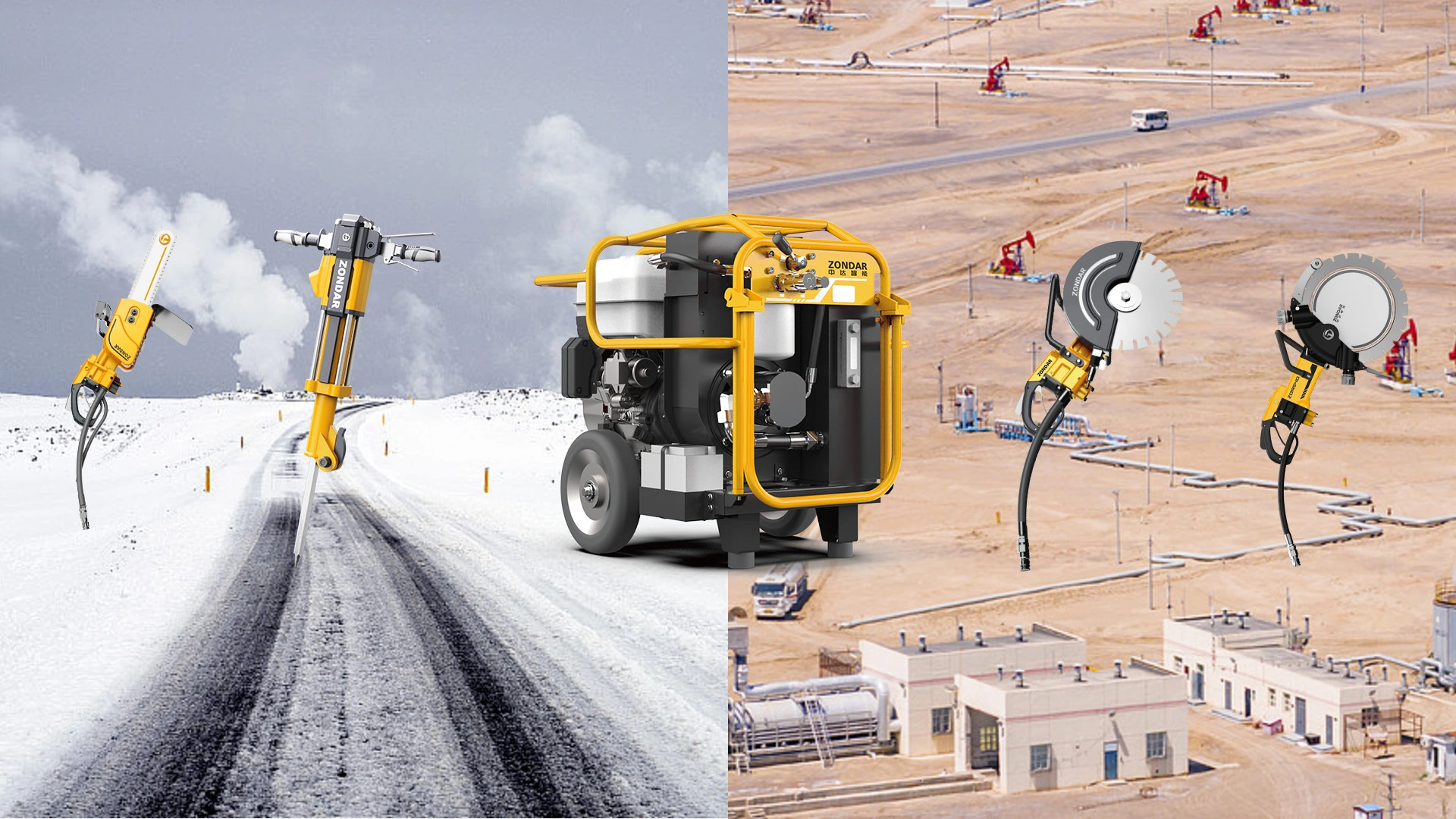
A major pain point for flood response fleets is repeated investment in standalone power units for specialized dewatering gear. ZONDAR hydraulic tools are engineered with universal flat couplings, ensuring 100% compatibility with existing Hycon and Stanley power packs.
ZONDAR Hydraulic Trash Pump Full Technical Parameters
ZONDAR offers multi-size hydraulic slurry trash pumps tailored for small localized flooding and large-scale municipal flash flood dewatering. Key model specifications are listed below:
| Model | Outlet Size | Max Flow Rate | Max Discharge Head | Hydraulic Input Requirement | Max Passable Solid Particle | Max Working Hydraulic Pressure | Zero-Electric Design |
| ZDTP-02 (2-inch Compact) | 50 mm (2”) | 50 m³/h | 30 m | 20–30 LPM hydraulic flow | 25 mm | 18 MPa | 100% hydraulic drive |
| ZDTP-03 (3-inch Standard) | 75 mm (3”) | 100 m³/h | 25 m | 26–34 LPM hydraulic flow | 25 mm | 18 MPa | 100% hydraulic drive |
| ZDTP-04 (4-inch High-Volume Flood Model) | 100 mm (4”) | 200 m³/h | 25 m | 30–40 LPM hydraulic flow | 25 mm | 18 MPa | 100% hydraulic drive |
| ZDTP-06H(Large-Capacity Submersible) | 150mm6”) | 280 | 45m | 40–60 LPM hydraulic flow | 25 mm | 18 MPa | 100% hydraulic drive |
| ZDSP-4515 (Large-Capacity Submersible) | 200 mm (6”) | 450 m³/h | 15 m | 50–60 LPM hydraulic flow | 25 mm | 18 MPa | 100% hydraulic drive |
| ZDSP-6012 (Large-Capacity Submersible) | 200mm (6”) | 600m³/h | 12 m | 70–80 LPM hydraulic flow | 25 mm | 18 MPa | 100% hydraulic drive |
Conclusion
As climate change intensifies extreme rainfall events, cities require flexible, reliable, high-volume dewatering tools to combat sudden flash flood disasters. Fixed drainage infrastructure and conventional electric pumps cannot meet the mobility, safety and slurry-handling demands of emergency urban flood response.
Portable hydraulic slurry pumps solve the core pain points of traditional dewatering equipment: they operate independently of grid power, eliminate electrical hazards in submerged muddy environments, deliver massive continuous flow rates while resisting debris clogs, and deploy rapidly across every type of flooded urban space from narrow residential lanes to deep underground transit facilities.
For municipal flood control departments, disaster response contractors and infrastructure maintenance teams, investing in a fleet of tiered portable hydraulic slurry pumps creates a robust, scalable flash flood mitigation system. When the next severe storm hits, these rugged, high-volume pumping units become the critical first line of defense to protect urban property, public safety and vital city infrastructure from destructive flash flood waterlogging.
With multiple flow rate models covering small spot flooding and city-wide mass dewatering projects, ZONDAR delivers flexible, durable pumping solutions for every municipal and commercial flood control team. Contact ZONDAR engineers for a customized flood control package or customized OEM solutions.