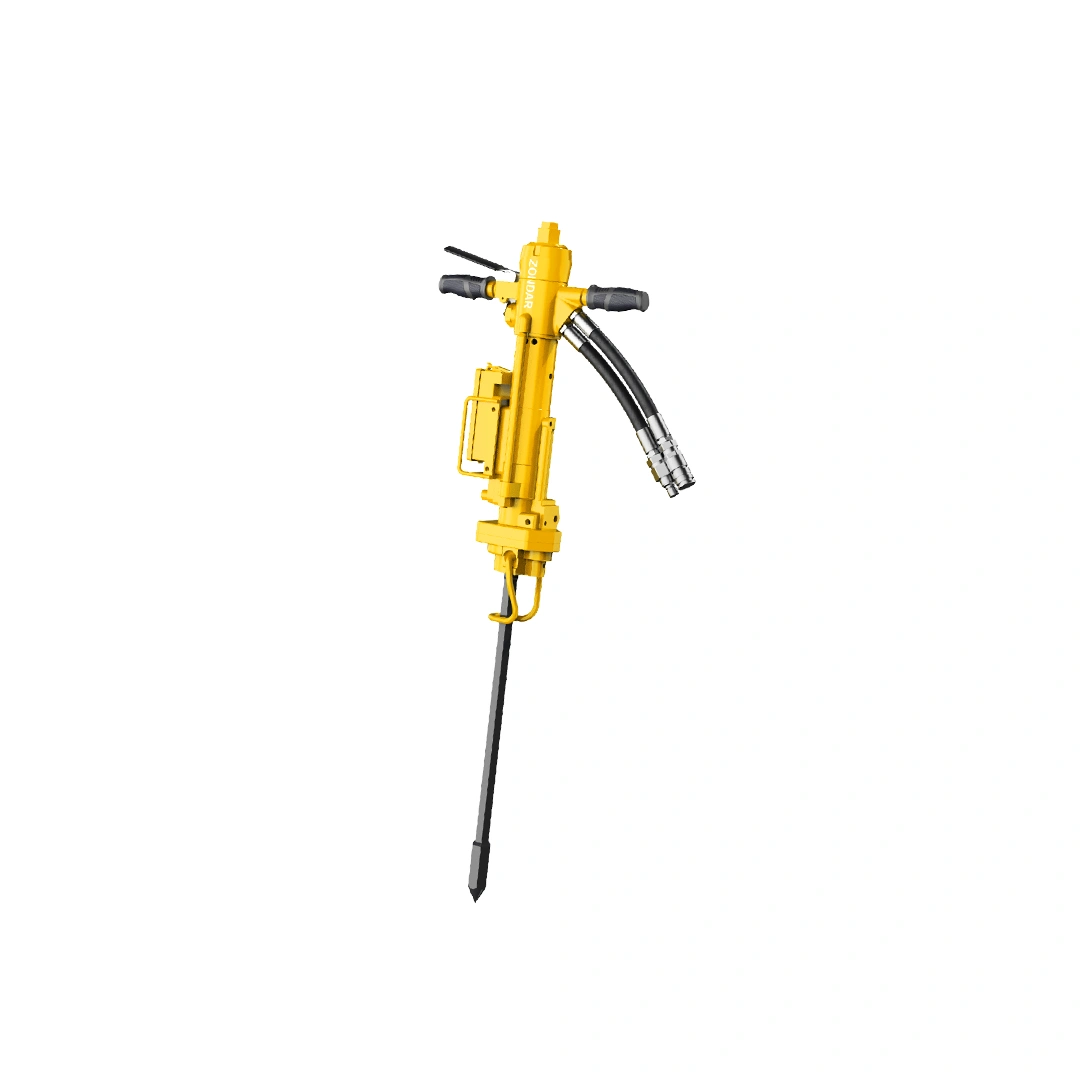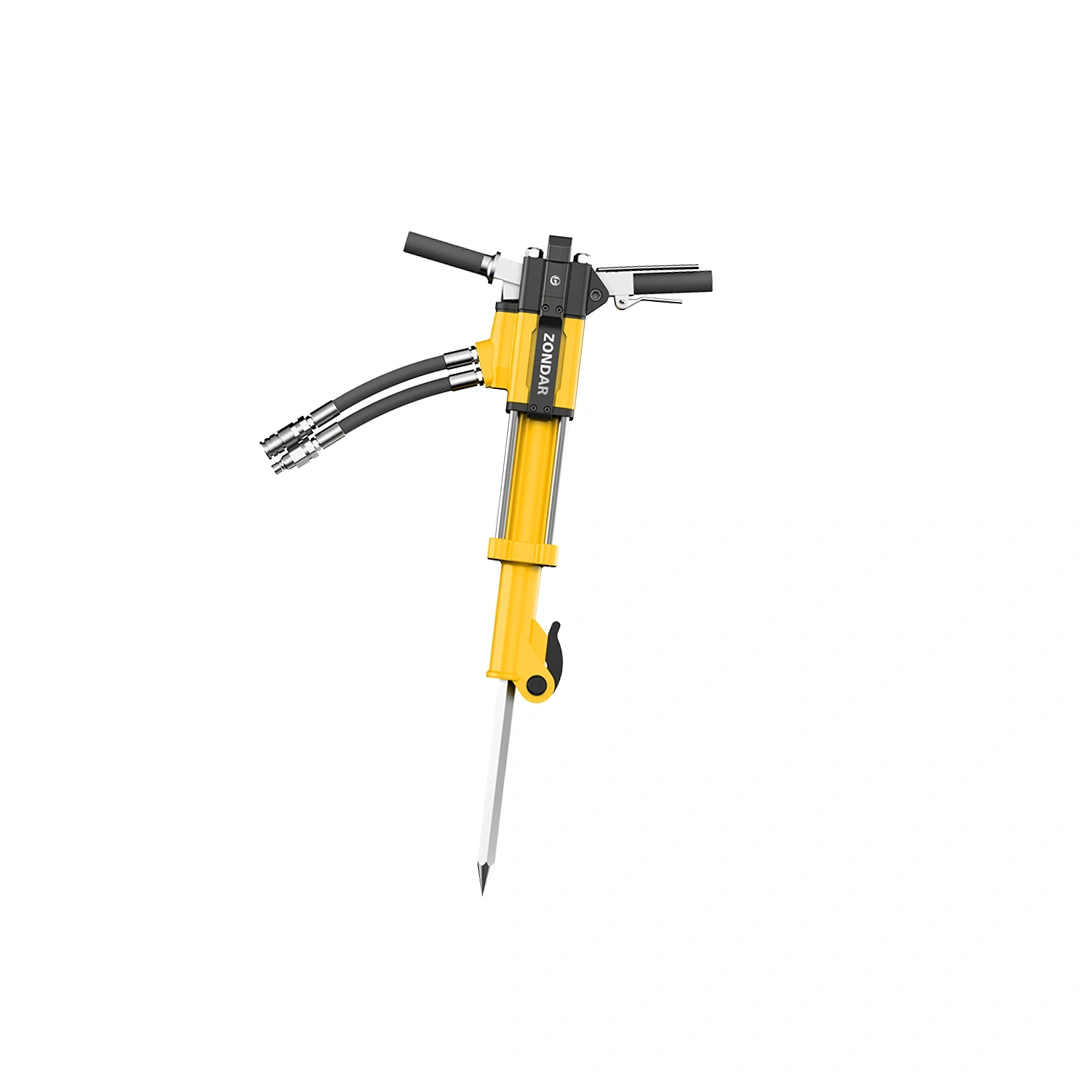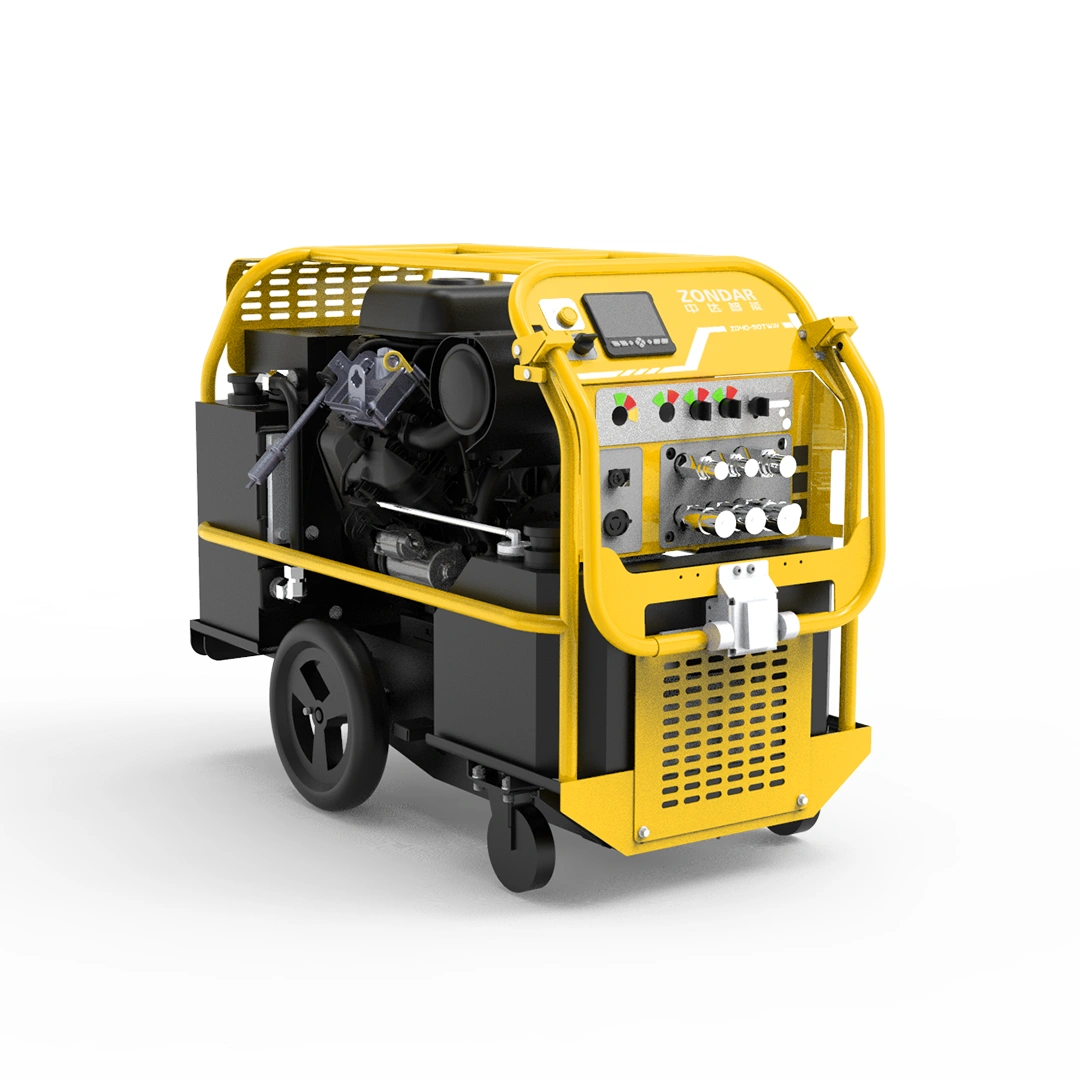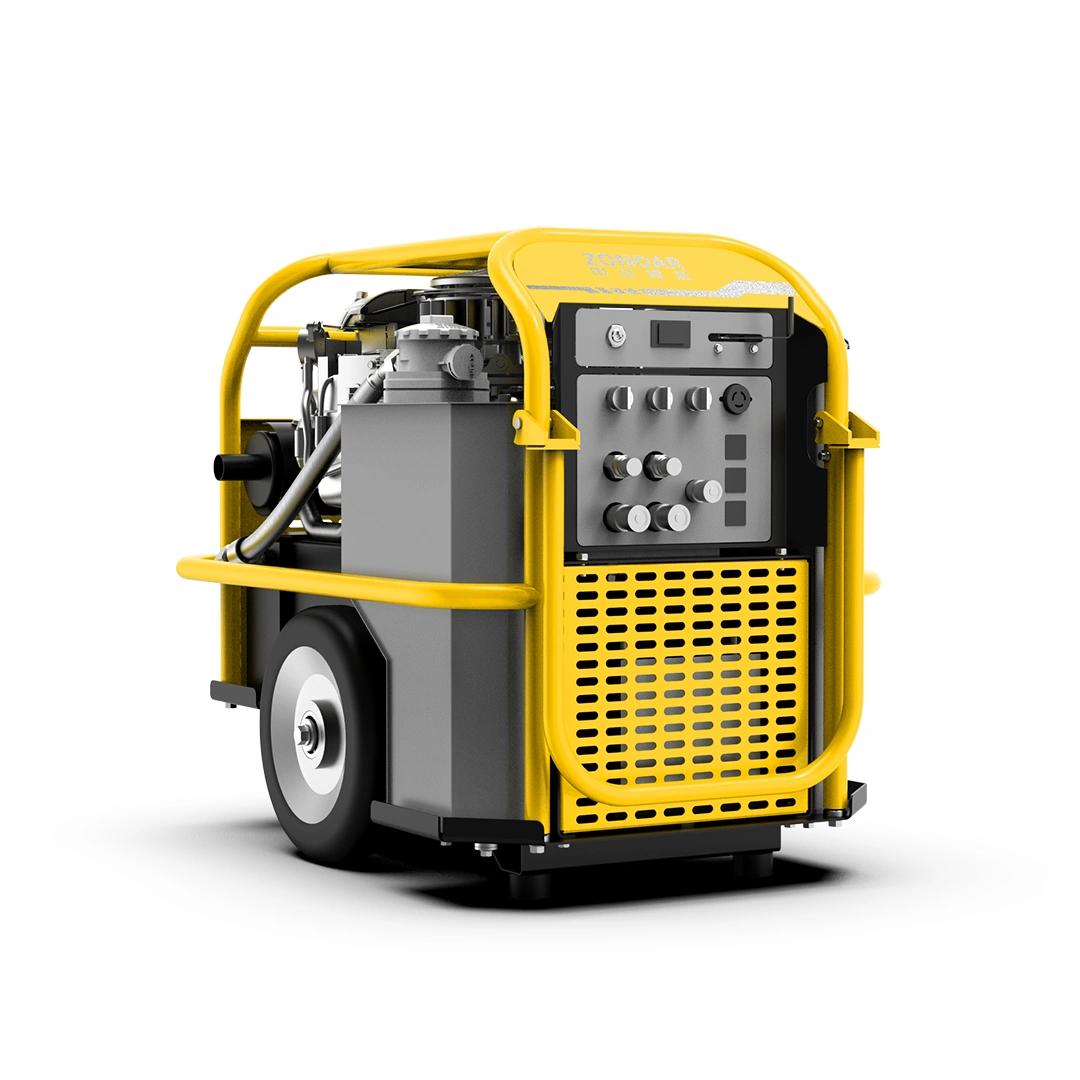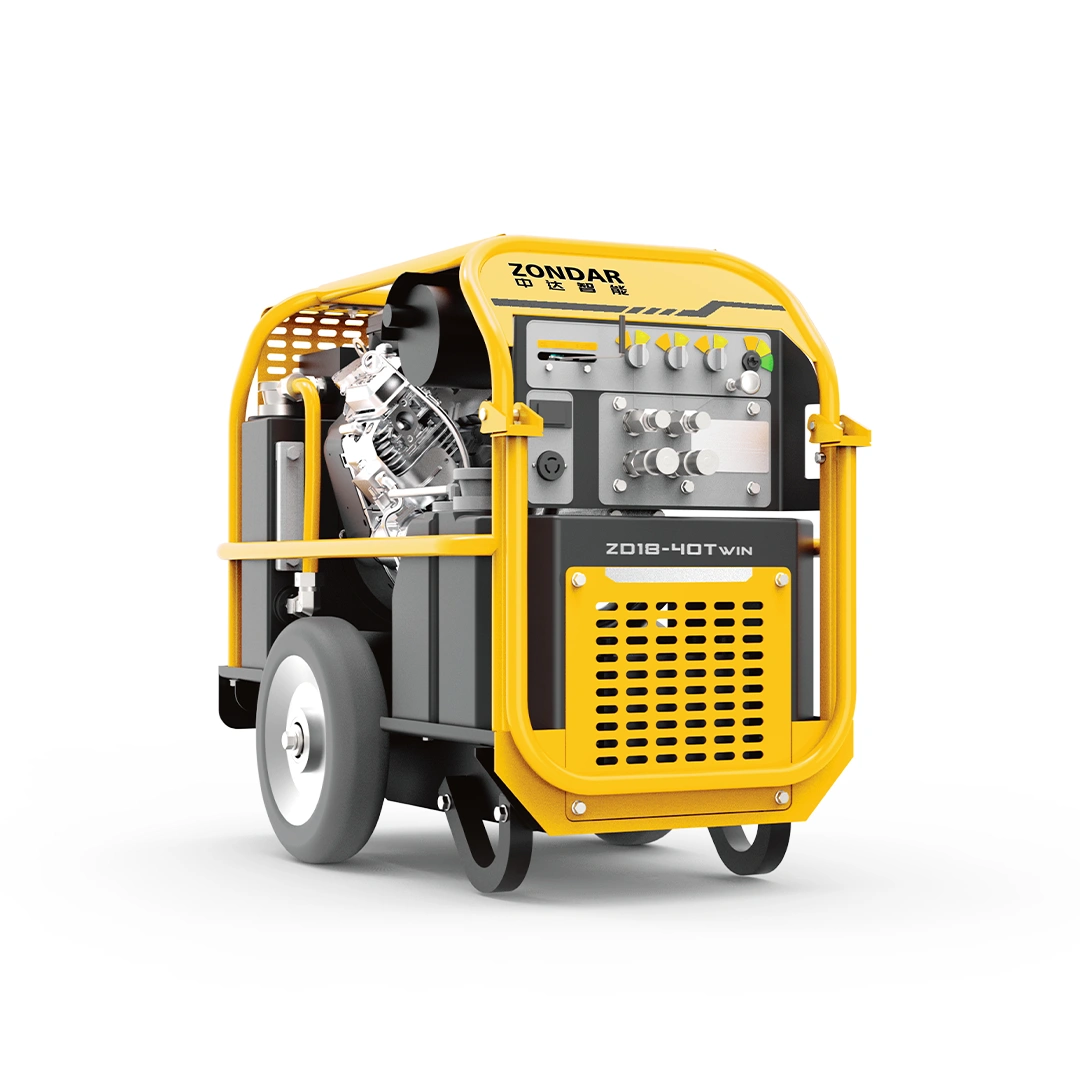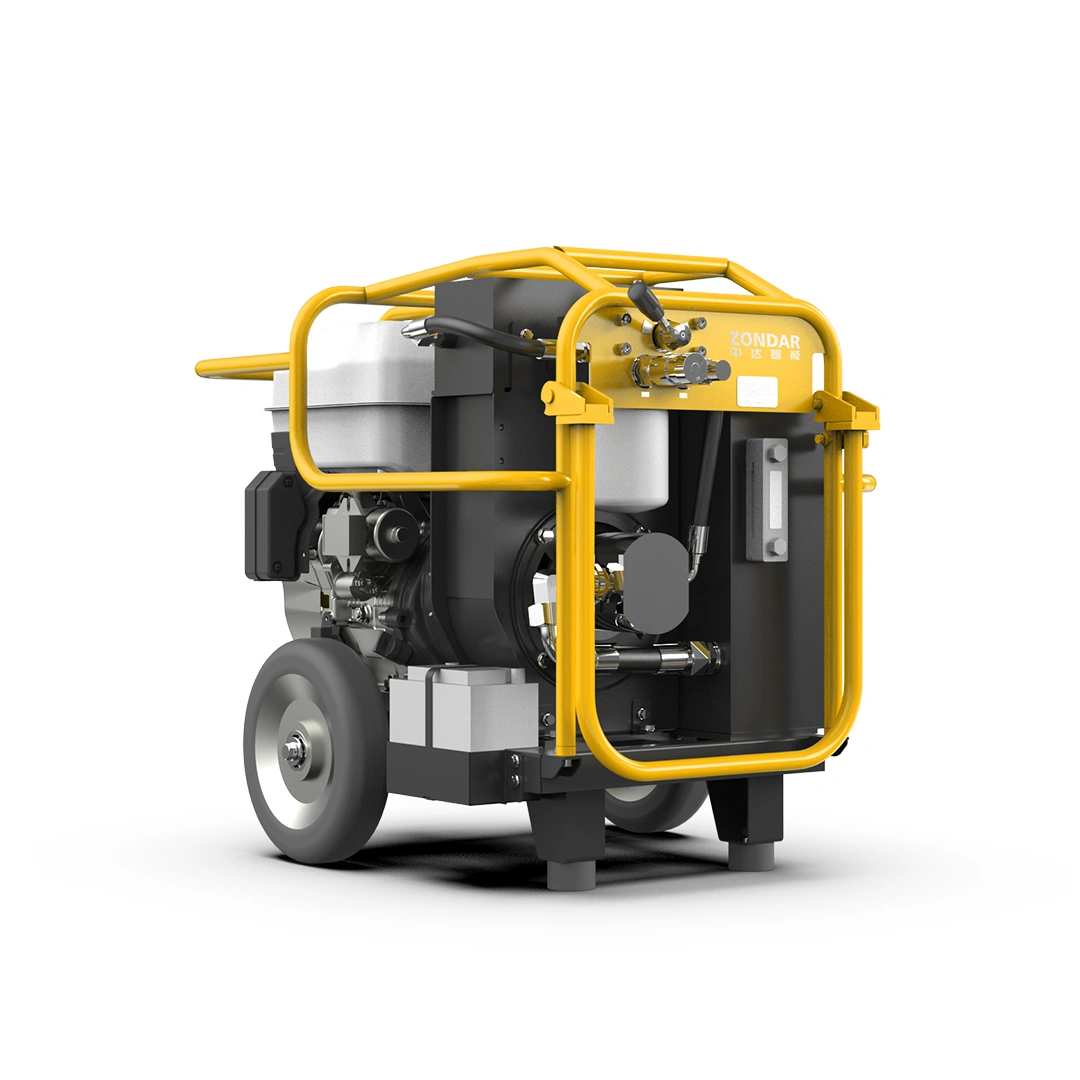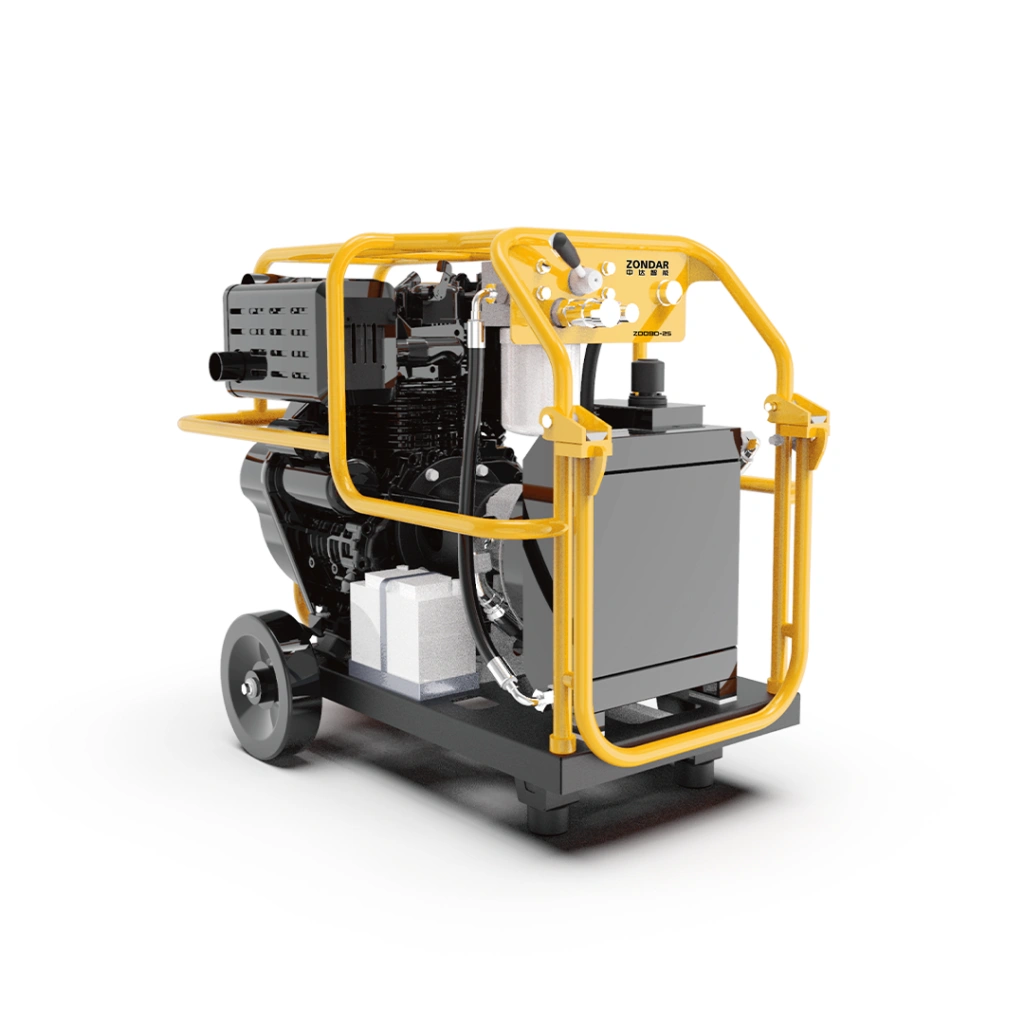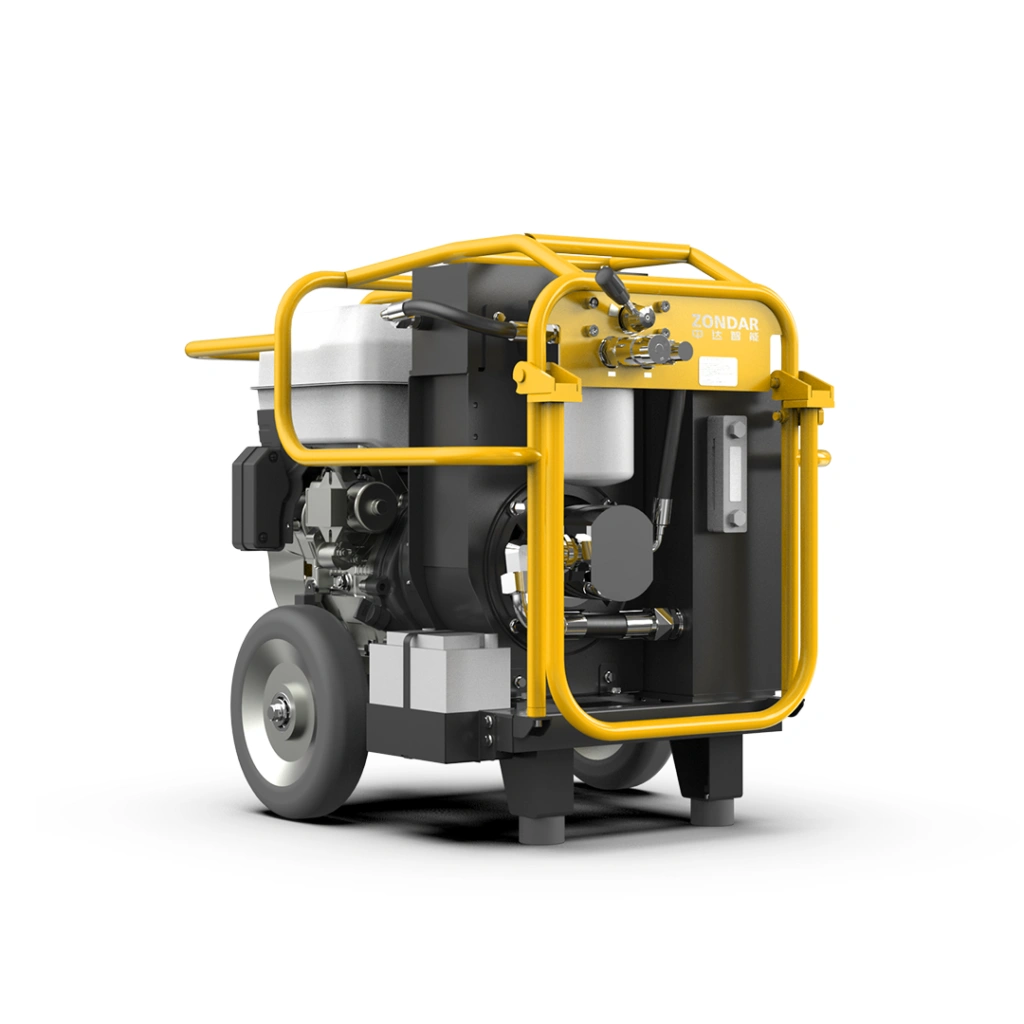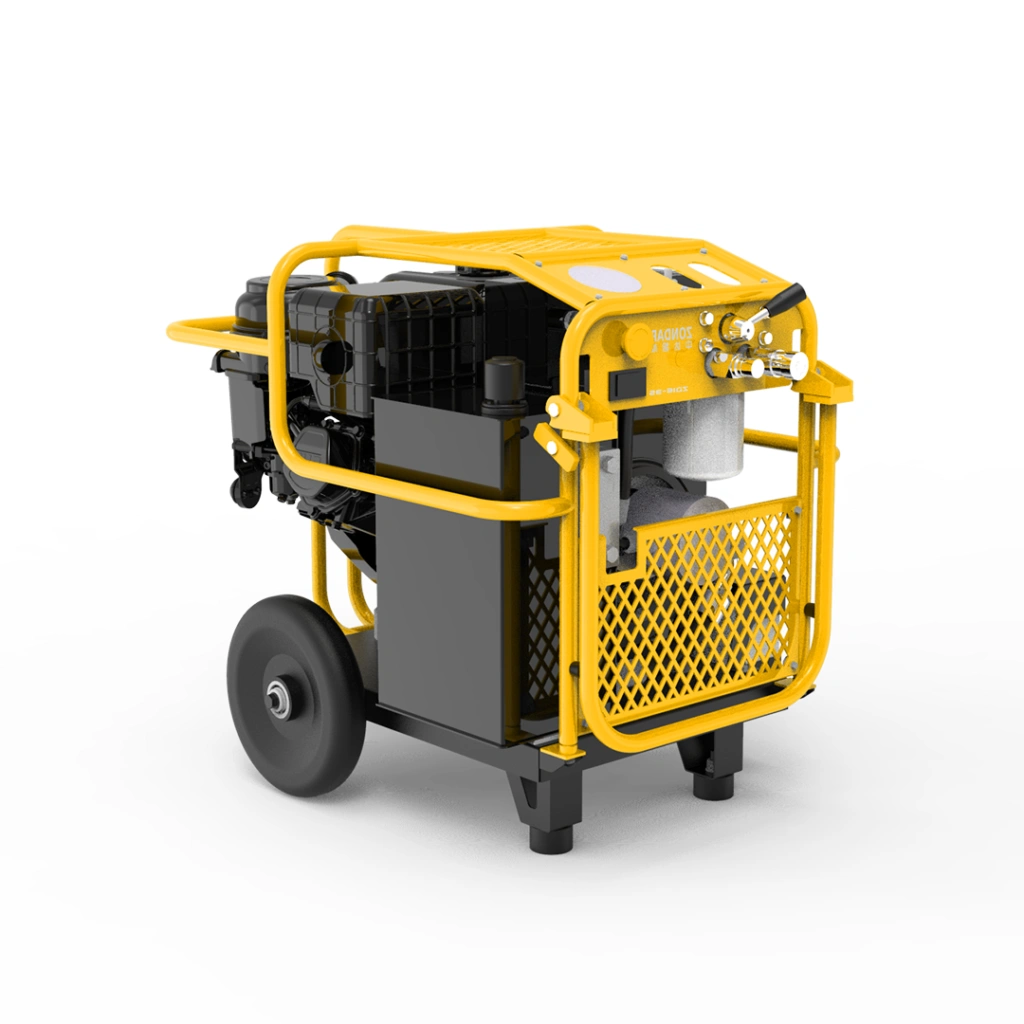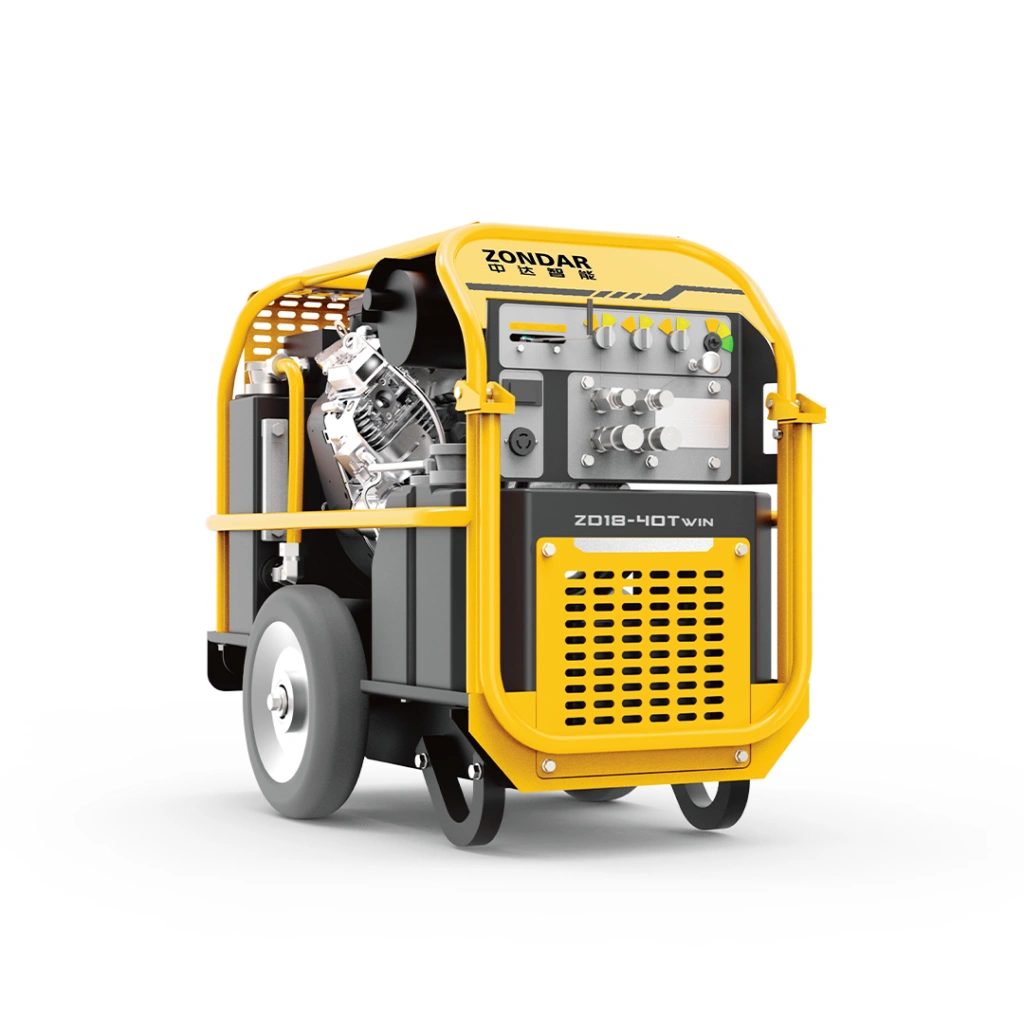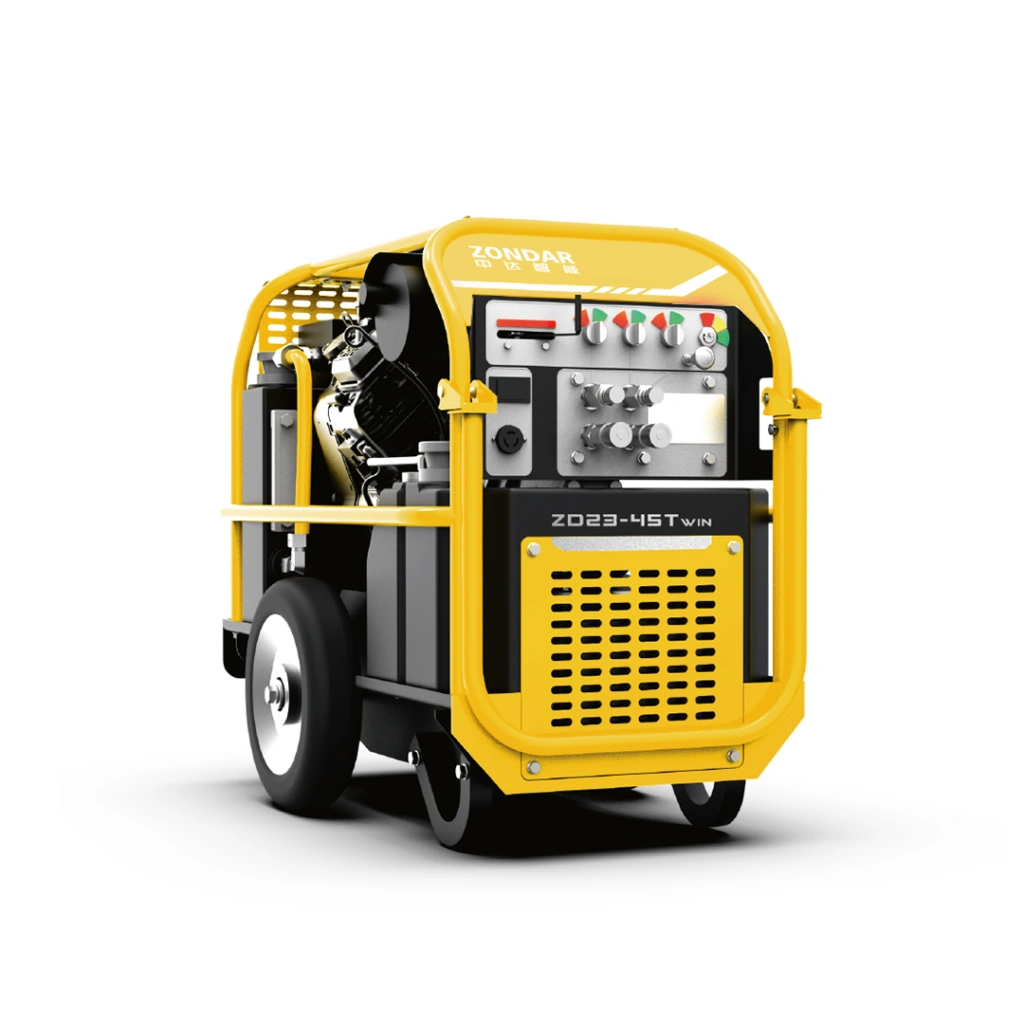
Powerful Hydraulic Power Unit
Double flow, Gasoline, 35HP, 80 lpm, Multi-group flow output, efficient operation
ZD35-80Twin Powerful hydraulic power unit features ultra-high speed centrifugal fan and special air duct with full ventilation allow for high heat dissipation power and low system temperature rise, with low energy consumption and compact structure.
Land vs. Underwater Hydraulic Rock Splitters: The Definitive Guide to Making the Right Choice
Choosing the right hydraulic rock splitter can be the difference between a project that finishes on time and under budget, and one plagued by delays, safety hazards, and cost overruns. For project managers, site supervisors, and procurement specialists, the decision between a standard land-based splitter and a specialized underwater model is critical, yet often clouded by technical jargon and incomplete information. The core pain point is clear: uncertainty. Uncertainty about which tool is truly best suited for your specific job site conditions, leading to potential inefficiencies, equipment damage, or compromised safety protocols. This comprehensive guide cuts through the confusion. We'll provide a detailed, side-by-side comparison of land and underwater hydraulic rock splitters, outlining their distinct advantages, inherent limitations, and the specific scenarios where each excels. By understanding the unique challenges of both terrestrial and submerged demolition, you can make an informed, confident decision that aligns with your project's technical demands, environmental constraints, and safety requirements.
Understanding the Core Technology: The Hydraulic Power Behind the Split
Before diving into the land vs. water debate, it's essential to grasp the common heart of both tools: the hydraulic system. At its simplest, a hydraulic rock splitter uses immense fluid pressure to generate a controlled, directional splitting force. A hydraulic power unit (HPU) acts as the engine, pumping hydraulic oil at high pressure through hoses to the splitter's cylinder. This pressure drives a piston that expands a set of steel wedges inserted into a pre-drilled hole in the rock, causing it to fracture along a predetermined plane. The key to performance lies in the balance between pressure (measured in psi or bar) and flow rate (measured in gallons per minute or liters per minute). A high flow hydraulic power unit can cycle the tool faster, increasing productivity, while ultra-high pressure systems deliver the maximum splitting force for the toughest materials like granite or reinforced concrete. Many modern setups utilize a portable hydraulic power kit, which integrates the power unit, reservoir, controls, and often a fuel tank into a single, wheeled unit for exceptional mobility around a job site. This foundational technology is then adapted and fortified to meet the brutal demands of either dry land or a submerged environment.
Land-Based Hydraulic Rock Splitters: Power and Portability for Terra Firma
Land-based or standard hydraulic rock splitters are the workhorses of surface demolition, quarrying, trenching, and boulder breaking. Their design prioritizes raw power, durability, and operational efficiency in open-air conditions.
Key Advantages and Typical Applications
The primary advantage of a land splitter is its focused design for optimal power-to-weight ratio and cost-effectiveness. Without the need for extensive waterproofing, manufacturers can use materials and sealing systems that are robust for dust, dirt, and impact but are less costly than those required for full submersion. This often results in a more compact hydraulic splitter design for its power class, enhancing maneuverability in tight spaces like urban demolition sites or inside buildings. Common applications include:
- Construction Demolition: Breaking foundation walls, concrete slabs, and pillars with precision, minimizing vibration and dust compared to jackhammers.
- Quarrying and Mining: Secondary breaking of oversized boulders after blasting, and extracting dimensional stone like granite and marble.
- Trenching and Excavation: Removing bedrock obstructions for utility lines, pipelines, and foundation digging.
- Landscaping and Boulder Management: Splitting large, unwanted surface boulders in agricultural or development projects.
Critical Considerations for Land Use
While versatile, land splitters have their own set of operational requirements. Proper hole drilling is paramount; the diameter and depth must match the splitter's wedge assembly to ensure efficient force transfer and prevent tool jamming. Operators must be trained to recognize the rock's grain or natural fracture lines for optimal placement. Maintenance, though less intensive than for underwater models, is still crucial. Regular checks include inspecting hoses for abrasions, ensuring the hydraulic power unit fluid is clean and at the proper level, and keeping wedge tips sharp. The use of a portable hydraulic power kit is highly recommended for land applications, as it allows the power source to be easily repositioned, keeping the work area around the splitter itself clear and safe.
Underwater Hydraulic Rock Splitters: Engineering for the Abyss
When demolition goes below the waterline, ordinary equipment fails. Underwater hydraulic rock splitters are highly specialized tools engineered from the ground up to operate reliably and safely in submerged environments. They address the unique triad of challenges posed by water: pressure, corrosion, and conductivity.
Specialized Design and Non-Negotiable Safety Features
The difference between a land splitter and an underwater model is not merely a coating of paint; it's a fundamental redesign. Every component must be sealed against water intrusion at depths that can exert significant pressure. This involves:
- Marine-Grade Corrosion Resistance: Bodies are typically constructed from duplex or super duplex stainless steels, bronze, or specially coated alloys to resist saltwater and freshwater corrosion.
- Advanced Dynamic Sealing: Multiple layers of seals, including primary lip seals and secondary exclusion seals, are used on all moving parts (piston rods) and static interfaces. These are often made from materials like polyurethane or Viton, chosen for their longevity in wet environments.
- Pressure Equalization & Venting: Sophisticated models may include pressure compensation systems to equalize internal and external water pressure, preventing seal blow-out and water ingress.
- Electrical Safety: All connections for the surface-supplied high flow hydraulic power unit are designed to be completely isolated and often include grounding checks to prevent any risk of electrocution for divers.
Primary Applications and Operational Protocols
Underwater splitters are indispensable for:
- Marine Construction & Demolition: Removing old pier pilings, bridge abutments, and harbor structures.
- Dam & Lock Maintenance: Precision repair work on spillways, intake structures, and lock walls without the need for costly dewatering.
- Pipeline & Cable Trenching: Clearing bedrock seabed to lay subsea infrastructure.
- Shipwreck Removal & Salvage: Cutting apart hulls or removing obstructions in shipping channels.
Operation requires strict protocols. Divers must be specially trained in both tool use and underwater hydraulic safety. Pre-dive checks of the entire system—from the surface hydraulic power unit to the splitter's seals—are mandatory. Communication between the diver and surface support team is critical for coordinating power activation and ensuring immediate shutdown if any issue arises.
Side-by-Side Comparison: Making an Informed Decision
To visually clarify the choice, here is a direct comparison of the key factors:
| Decision Factor | Land-Based Rock Splitter | Underwater Rock Splitter |
|---|---|---|
| Primary Environment | Dry land, exposed to weather. | Fully submerged in fresh or saltwater. |
| Construction Materials | High-strength carbon steel, standard seals. | Corrosion-resistant alloys (stainless steel, bronze), multi-stage marine seals. |
| Power Source | Standard portable hydraulic power kit (diesel/electric). | Surface-based HPU, often with enhanced filtration and cooling. Hoses are buoyant or weighted. |
| Key Safety Focus | Flying debris, pinch points, hose integrity. | Diver safety, electrocution prevention, seal failure/implosion risk. |
| Maintenance Cycle | Regular (post-shift inspection, weekly fluid checks). | Intensive (post-dive freshwater rinse, detailed seal inspection, frequent fluid analysis). |
| Relative Cost | Lower initial investment and operating cost. | Significantly higher due to specialized materials and engineering. |
| Best For | Quarries, construction sites, landscaping, any surface rock breaking. | Marine projects, underwater infrastructure, any demolition below water level. |
How to Choose: A Step-by-Step Project Assessment
Follow this logical process to eliminate guesswork and select the perfect tool:
- Define the Primary Worksite: Is the rock 100% on dry land, 100% submerged, or in a tidal/splash zone? If any part of the operation is underwater, an underwater-rated splitter is mandatory for safety and equipment survival.
- Assess Material and Access: What is the rock type (hard granite vs. softer sandstone)? How confined is the space? For tight, dry spaces, a compact hydraulic splitter paired with a portable hydraulic power kit is ideal. For submerged, confined spaces, the compactness of the underwater tool itself is critical.
- Evaluate Project Scale and Duration: A one-day job breaking a few boulders favors a standard rental. A six-month marine construction project justifies the investment in a dedicated, high-quality underwater system.
- Scrutinize Safety and Logistics: Do you have certified divers and a surface support team? Do you have the facilities for the rigorous post-dive maintenance an underwater tool demands? If not, a land-based solution or contracting with a specialized marine demolition firm may be wiser.
- Consider Total Cost of Ownership (TCO): Look beyond the purchase price. Factor in maintenance costs, expected lifespan (corrosion drastically shortens life in water), and potential downtime. A cheaper, non-specialized tool used underwater will fail quickly, resulting in higher long-term costs and project risks.
Why Our Solutions Are Engineered to Overcome These Challenges
As a manufacturer with deep expertise in both domains, we don't just sell tools; we provide engineered solutions. Our land-based splitters are optimized for the power-to-weight ratio, ensuring you get maximum splitting force from a compact hydraulic splitter that is easy to transport and maneuver. Our hydraulic power units are renowned for reliability and can be configured as part of a versatile portable hydraulic power kit. For underwater challenges, our splitters are built with a relentless focus on hydraulic safety and durability. We use proprietary sealing technologies and pressure-tested designs that have been proven in the most demanding saltwater environments, giving you and your divers unwavering confidence. We understand that the "right tool" is not just about specifications, but about matching engineering excellence to your project's unique environmental and operational reality.
Get Expert Guidance for Your Specific Project
The line between land and water isn't always clear-cut, and hybrid challenges exist. Don't leave your equipment choice to chance. Our team of application engineers can analyze your project parameters—environment, rock type, scope, and safety requirements—to provide a personalized consultation and a definitive product recommendation. We help you navigate the comparison to ensure productivity, safety, and value on your job site, whether it's on solid ground or beneath the waves.
If you want huge outflow to drive your heavy duty hydraulic tools, the 35HP Hydraulic Power Unit is your go-to solution for maximum power and durability under extreme working conditions.
This model combines a reinforced double-circuit system with high-efficiency dual pumps to drive multiple high-demand tools simultaneously.
With superior heat management, rugged build quality, and stable operation, it’s made for heavy-use environments.
Feature:
Independently-Developed Hydraulic System
Self-designed lightweight main valve block, combined with unique hydraulic control principle of solenoid valve, has high precision,sensitive control, small energy loss and strong stability.
Light and Labor-Saving
Folding handrail, unique center of gravity design, light and labor-saving transshipment.
Smart Structural Design
Ultra-high speed centrifugal fan and special air duct with full ventilation allow for high heat dissipation power and low system temperature rise, with low energy consumption and compact structure
Multi-Group Flow output
The design of double pump combined with segmented throttle and double circuit structure can realize multi-group flow output.
Flexible Modular Design
Adopt to modular structure, each system is highly integrated, and the integrated electrification design can conveniently expand various auxiliary functions.
Efficient operation
Double-circuit oil circuit design can drive two hydraulic tools to operate at the same time.
Parameters Configuration
| Model | ZD35-80Twin |
| Diesel Engine | 35HP |
| Max. Pressure /Mpa | 18 |
| Oil Flow /Lpm | 2*30/2*40/1*80 |
| Start-up | Electric Started |
| Control Method | Double Circuit Electric Control |
| Hose Connection | Flat Quick Coupling |
| Application | Provide Power for Hydraulic Tools |