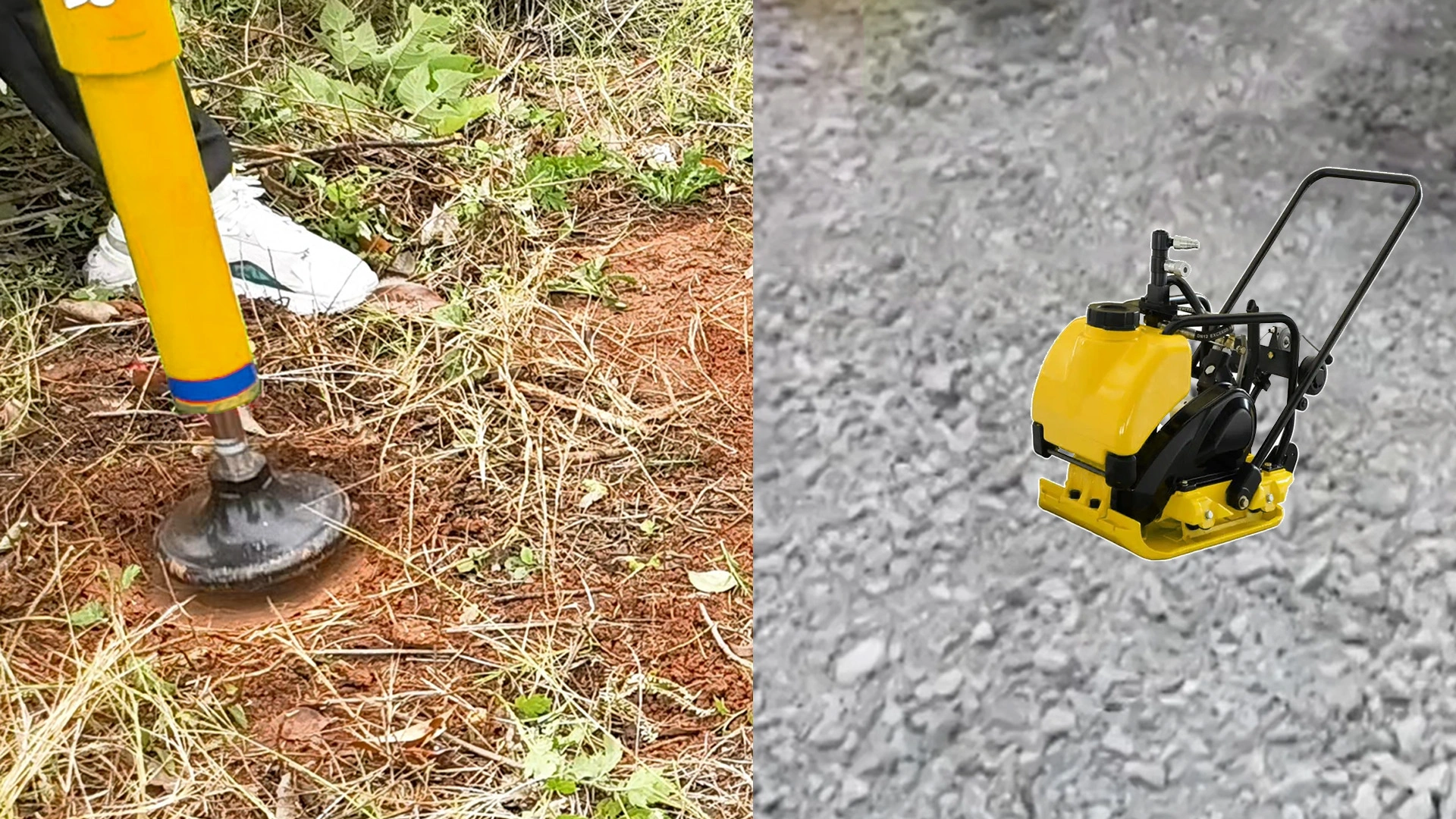
Every summer seems to bring another record-breaking heatwave. This year is no exception. Across Southern Europe, temperatures have climbed well above 40°C (104°F), forcing millions of households and businesses to rely heavily on air conditioning. Electricity demand has surged, power grids have come under enormous strain, and in some regions, operators have warned of potential supply shortages during peak hours. What many European media have called the annual “air conditioning battle” is once again highlighting how vulnerable modern infrastructure becomes under prolonged extreme heat.
Thousands of kilometers away, China has officially entered Sanfu (Dog Days)—the hottest and most humid period of the year. From Europe to Asia, the Northern Hemisphere is entering its most demanding season for outdoor work. Construction sites, utility maintenance crews, municipal departments, emergency responders, and disaster relief teams must continue operating even as temperatures reach levels that challenge both people and equipment.
Extreme heat rarely exists in isolation. It often triggers a chain of secondary risks, including overloaded electrical grids, power outages, wildfires, road surface deformation, equipment failures, sudden thunderstorms, flash floods, and waterlogging. When these events occur, field teams cannot simply pause operations until the weather improves. Instead, they require equipment capable of delivering reliable performance under some of the harshest working conditions of the year.
This raises an increasingly important question for contractors and emergency responders alike:
How can hydraulic rescue equipment continue operating reliably when outdoor temperatures continue to rise?
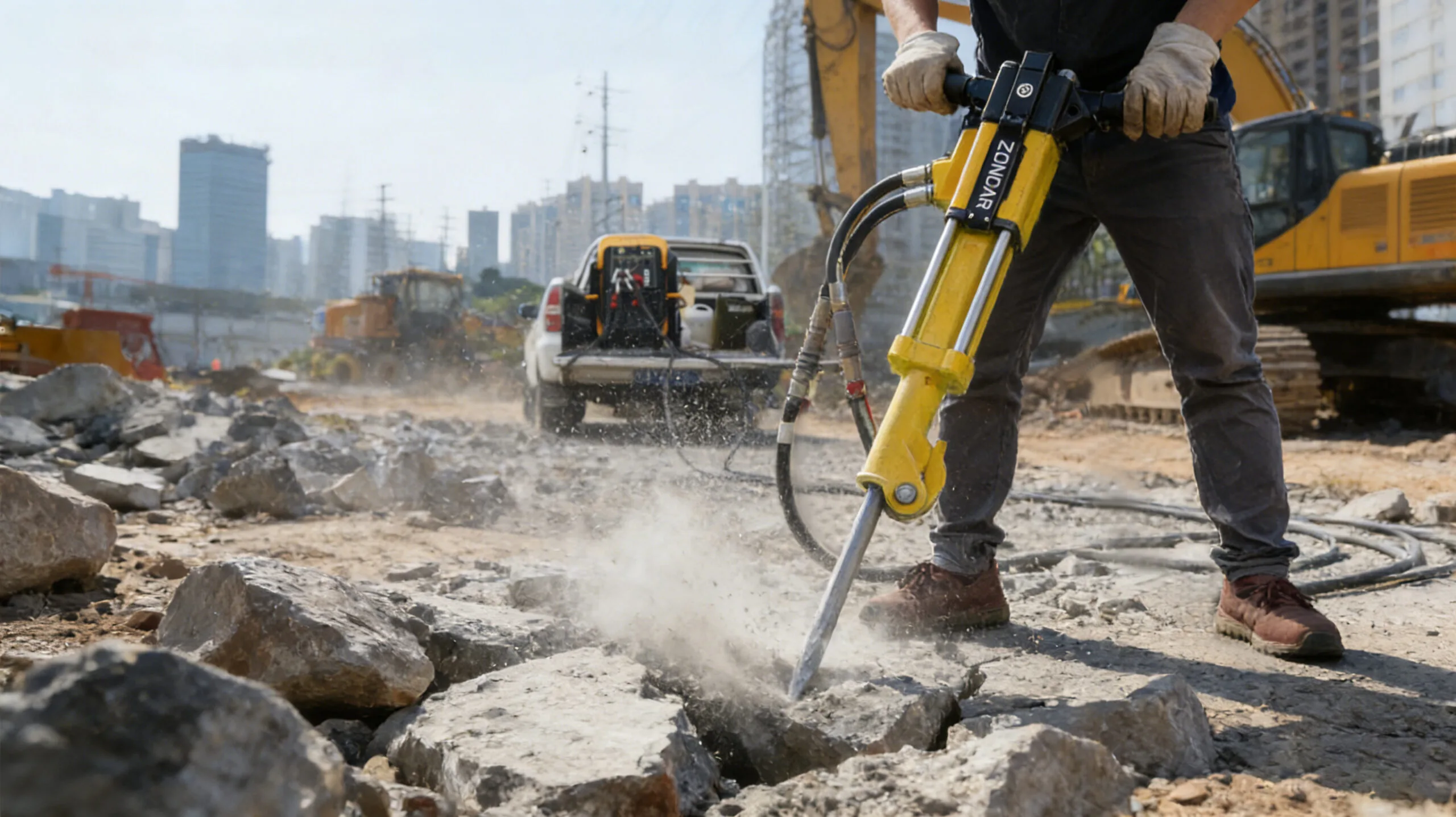
Why Hydraulic Tools Remain the First Choice for Heavy Outdoor Work
In demanding industries such as road and bridge construction, emergency rescue, electric utility maintenance, railway repair, municipal engineering, and heavy industrial dismantling, hydraulic tools have earned a reputation as the most dependable portable power solution.
The reason lies in the way hydraulic systems generate force.
Unlike electric motors that rely on electrical current or pneumatic tools that depend on compressed air, hydraulic equipment converts pressurized fluid into continuous mechanical power. This allows portable hydraulic breakers, rock drills, concrete saws, rescue cutters, pumps, and lifting tools to generate exceptionally high torque and working force while maintaining stable output throughout long operating cycles.
Electric tools remain highly effective for light- and medium-duty applications, but their limitations become increasingly obvious during disasters or extreme weather. A damaged power grid, flooded worksite, or overloaded generator can immediately interrupt operations. Continuous exposure to high ambient temperatures also increases the risk of motor overheating, while wet environments create additional electrical hazards.
Pneumatic equipment presents another challenge. Although compressed-air tools are reliable in factories, they require large air compressors, extensive hose networks, and consistent air pressure. Performance gradually declines over long distances or under fluctuating operating conditions, making pneumatic systems less practical for rapidly changing emergency environments.
Manual tools, while essential as backup equipment, simply cannot generate the force required to cut reinforced concrete, break asphalt, lift collapsed structures, or remove heavy debris efficiently.
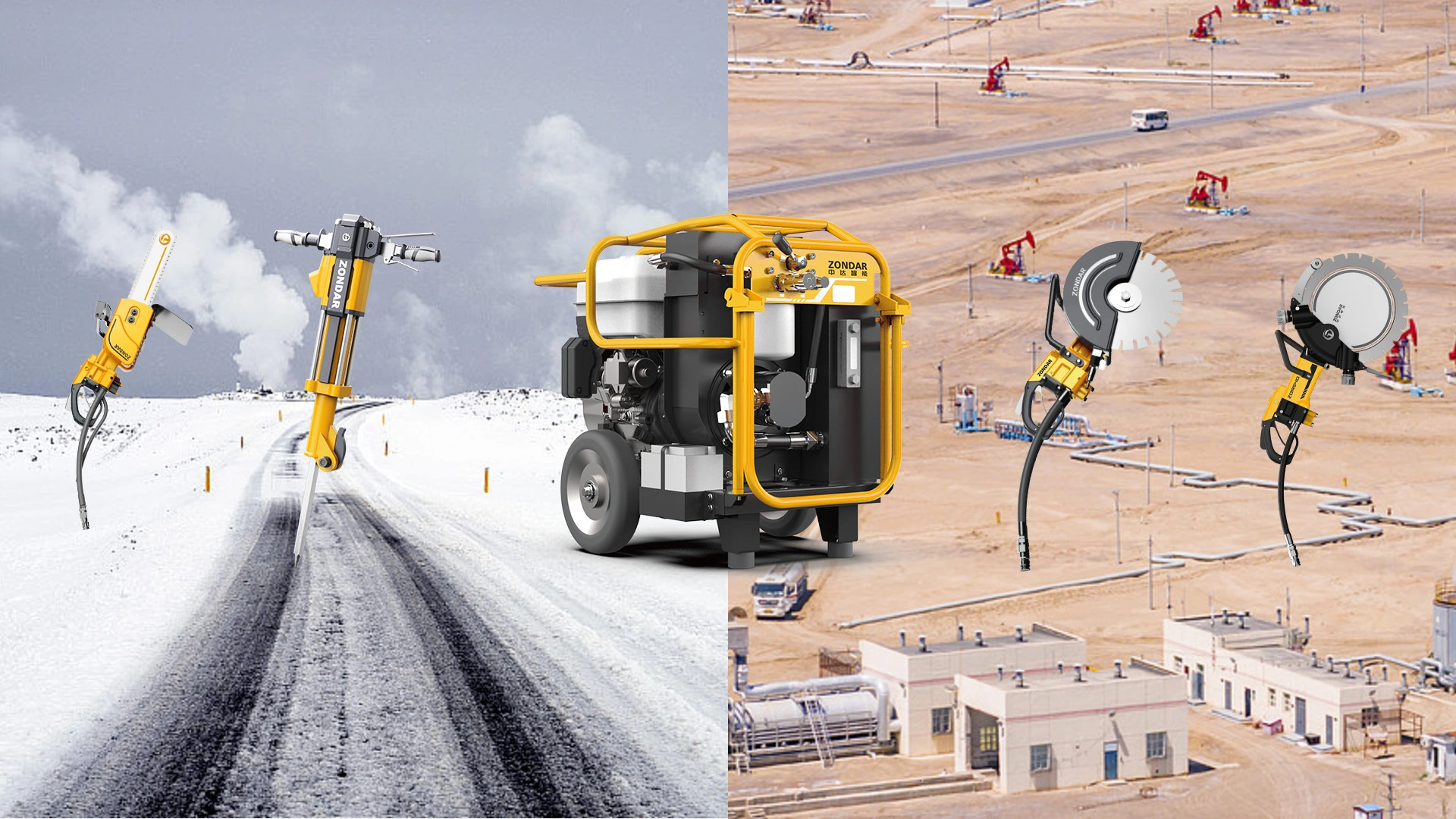
Hydraulic systems overcome these limitations by combining portability, exceptional power density, and independence from local electrical infrastructure. A single portable hydraulic power unit can drive multiple professional attachments, allowing rescue teams to switch quickly between breaking, cutting, pumping, drilling, or lifting operations without changing power sources. For this reason, hydraulic equipment has become the industry standard for professional outdoor operations where reliability matters more than anything else.
Hydraulic Tools Are Built for Harsh Conditions—But Summer Still Deserves Attention
One of the greatest advantages of hydraulic equipment is its ability to keep working in environments where many other power tools struggle. Whether facing unstable power supplies, wet job sites, or long hours of continuous operation, hydraulic systems are designed to deliver reliable performance when it matters most.
However, like any professional equipment, hydraulic tools perform best when they are used within their recommended operating conditions and receive appropriate seasonal maintenance. Extreme summer temperatures do not prevent hydraulic tools from working, but they can place additional stress on the hydraulic system during prolonged outdoor operations.
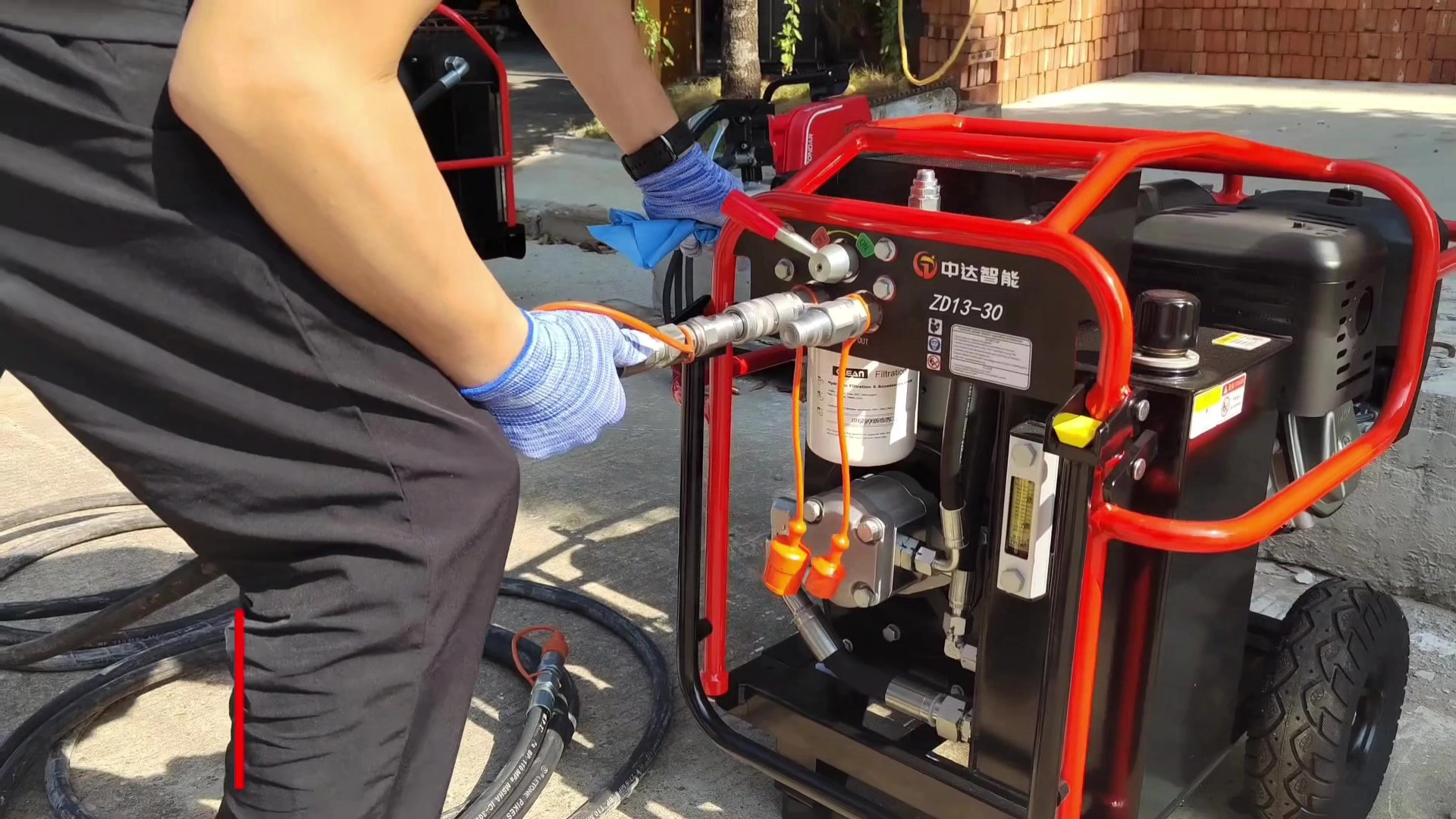
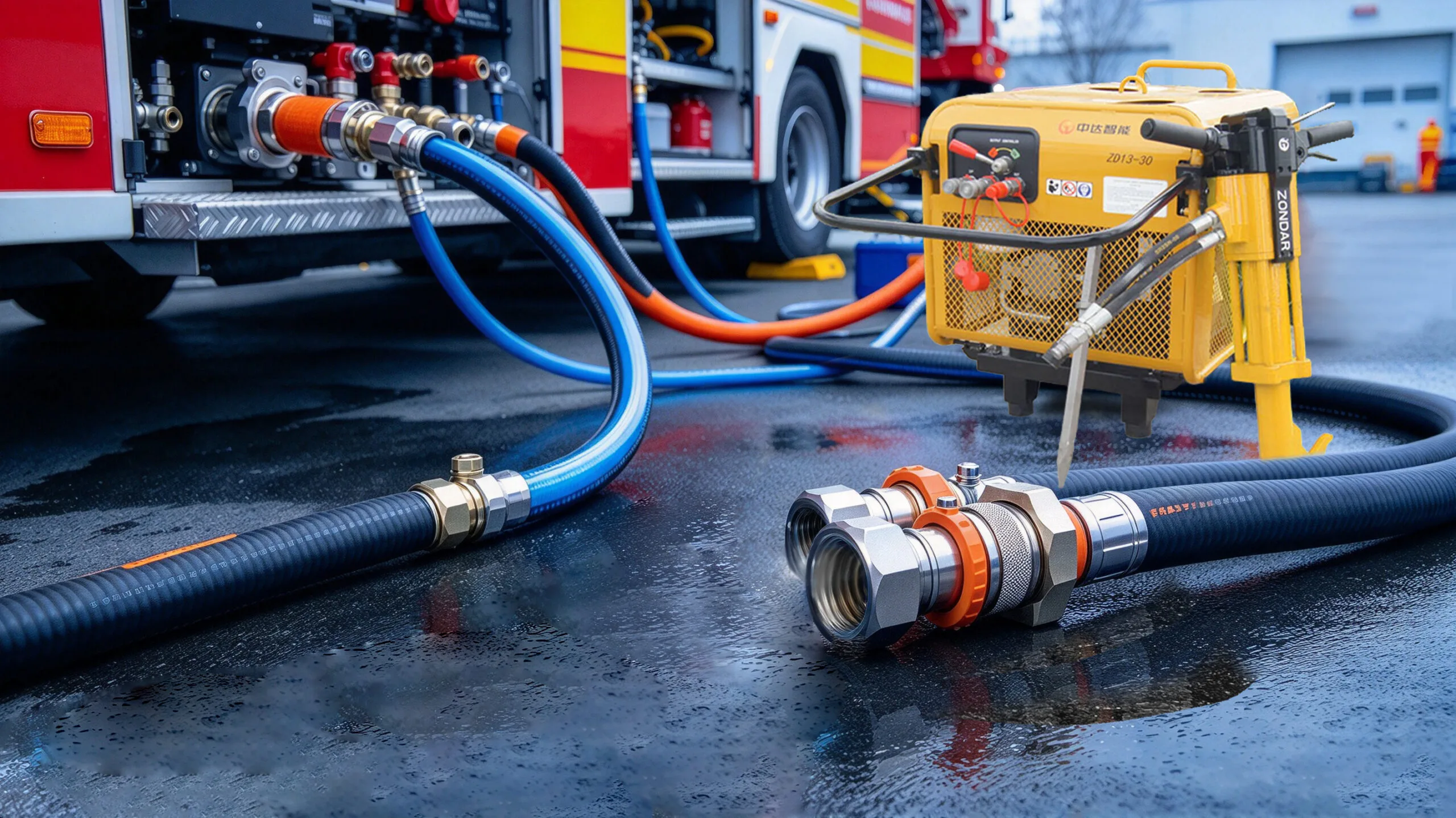
For example, operators may occasionally notice that hydraulic quick couplers become more difficult to connect after equipment has been sitting under direct sunlight for an extended period. This is a common seasonal phenomenon related to temperature and internal pressure rather than a product defect. If you’ve experienced this issue, our previous guide, How to Fix Hydraulic Hose Connection Failure in Extreme High Temperature, explains the causes and practical solutions in detail. (Internal Link)
Beyond connection issues, prolonged exposure to high temperatures can gradually affect hydraulic fluid performance, increase the workload of the cooling system, and accelerate the natural aging of rubber components over time. These changes are generally manageable through routine inspection and preventive maintenance, which is why experienced contractors often include additional equipment checks as part of their summer operating procedures.
Rather than viewing these as weaknesses, they should be considered normal operating characteristics of any hydraulic system working under demanding environmental conditions. With proper preparation and regular maintenance, hydraulic tools continue to provide the reliability, power, and versatility that make them the preferred choice for professional rescue, construction, and municipal operations throughout the hottest months of the year.
Even operators themselves become part of the equation. Long hours under direct sunlight reduce concentration, increase fatigue, and raise the risk of heat-related illness. Safe hydraulic operation therefore depends not only on equipment maintenance but also on protecting the people using it.
Preparing Hydraulic Equipment for Summer Operations
Maintaining reliable hydraulic performance during extreme heat begins long before the equipment reaches the jobsite.
Successful contractors typically adjust work schedules to avoid placing both machines and operators under unnecessary stress during the hottest hours of the day. Whenever project conditions allow, high-load hydraulic operations are concentrated in the cooler hours of the morning or late afternoon, reducing continuous heat exposure while improving working efficiency.
Hydraulic fluid selection becomes equally important. High-quality hydraulic oils formulated with excellent viscosity stability and oxidation resistance maintain more consistent lubrication at elevated temperatures, helping pumps, valves, and cylinders continue operating within their designed performance range. Routine inspection of oil levels, filters, and hose connections allows technicians to identify early signs of leakage or contamination before they develop into costly failures.
Cooling systems require particular attention throughout the summer. Radiators, oil coolers, and cooling fans should remain clean and unobstructed so that accumulated heat can dissipate efficiently. Operators should monitor hydraulic oil temperatures whenever possible and allow equipment to cool naturally if recommended operating limits are exceeded rather than attempting to maintain maximum output continuously.
Hydraulic hoses deserve equally careful inspection. Rubber components exposed to weeks of intense ultraviolet radiation may gradually lose elasticity or develop surface cracks. Replacing worn hoses and sealing components before failure occurs remains far less expensive than unexpected downtime during critical rescue operations.
As ambient temperatures exceed 40°C (104°F), reducing continuous full-load operation and allowing short cooling intervals between heavy-duty tasks can significantly improve long-term equipment reliability while extending component life.
Reliable Equipment Depends on Reliable Operators
No hydraulic system can perform at its best without experienced operators who understand the risks associated with extreme heat.
Adequate hydration, scheduled rest periods, appropriate protective equipment, and personnel rotation should all form part of standard summer operating procedures. Equally important is recognizing early warning signs such as overheating alarms, reduced tool performance, hydraulic oil leakage, abnormal vibration, or unusual operating noise.
Whenever these symptoms appear, work should stop immediately until the equipment has cooled and the cause has been properly inspected. Attempting to repair a pressurized hydraulic system immediately after prolonged high-temperature operation not only risks further mechanical damage but may also expose maintenance personnel to unnecessary injury.
Building More Resilient Operations for a Hotter Future
Europe’s heatwaves and China’s Dog Days remind us that extreme summer temperatures are no longer exceptional events—they are becoming part of the operating environment for infrastructure construction and emergency response around the world.
As climate patterns continue to evolve, organizations will increasingly depend on equipment capable of maintaining reliable performance despite rising temperatures and increasingly unpredictable weather conditions. Hydraulic systems remain uniquely positioned to meet these demands because they combine exceptional power, operational flexibility, and independence from fragile electrical infrastructure.
Preparing hydraulic equipment for summer is therefore about far more than seasonal maintenance. It is about improving operational resilience, reducing unexpected downtime, protecting personnel, and ensuring that rescue teams and contractors can continue working safely when communities need them most.
For professionals working through the hottest weeks of the year, understanding how extreme heat affects hydraulic systems is not simply good practice—it is becoming an essential part of modern outdoor operations.
Frequently Asked Questions About Hydraulic Tools in Extreme Heat
Can hydraulic tools operate in 40°C (104°F) weather?
Yes. ZONDAR hydraulic tools are designed to operate in demanding outdoor environments, including high-temperature conditions. However, when ambient temperatures exceed 40°C (104°F), operators should follow the manufacturer’s maintenance recommendations, monitor equipment condition, and allow appropriate cooling intervals during prolonged heavy-duty work to maintain optimal performance.
Does extreme heat damage hydraulic hoses?
High temperatures alone do not usually damage hydraulic hoses, but long-term exposure to direct sunlight, ultraviolet radiation, and continuous heat can accelerate the natural aging of rubber materials. Regular inspection and timely replacement of worn hoses help maintain safe and reliable operation.
Why won’t hydraulic quick couplers connect in summer?
This is one of the most common seasonal issues experienced during hot weather. After prolonged exposure to sunlight, heat and residual hydraulic pressure may make quick couplers more difficult to connect. In most cases, the issue can be resolved safely using proper pressure-relief procedures. You can read our detailed guide here: How to Fix Hydraulic Hose Connection Failure in Extreme High Temperature.
What hydraulic oil is recommended for hot weather?
Always use hydraulic oil recommended by the equipment manufacturer. For regions with consistently high summer temperatures, hydraulic fluids with excellent viscosity stability and oxidation resistance generally provide more consistent performance during prolonged outdoor operation.
Are hydraulic tools better than electric tools during heatwaves?
Each power source has its strengths, but hydraulic tools offer significant advantages in many outdoor emergency and construction environments. Unlike electric tools, they do not depend on the local power grid and can continue operating in remote locations or disaster-affected areas. They also provide higher power density than most portable electric tools, making them particularly suitable for heavy-duty rescue, demolition, and municipal maintenance tasks.
How can I improve hydraulic tool reliability during summer?
Routine inspection is the most effective approach. Keeping hydraulic oil clean, checking hose and coupler conditions, maintaining cooling systems, and avoiding unnecessary continuous overload can help hydraulic equipment perform reliably throughout the hottest months of the year.