In professional demolition, municipal maintenance and emergency rescue operations, selecting the right handheld hydraulic breaker is not only a matter of efficiency, but also safety, reliability and long-term operating cost. An improperly selected breaker can lead to low productivity, excessive vibration, frequent tool failures and even operator injury.
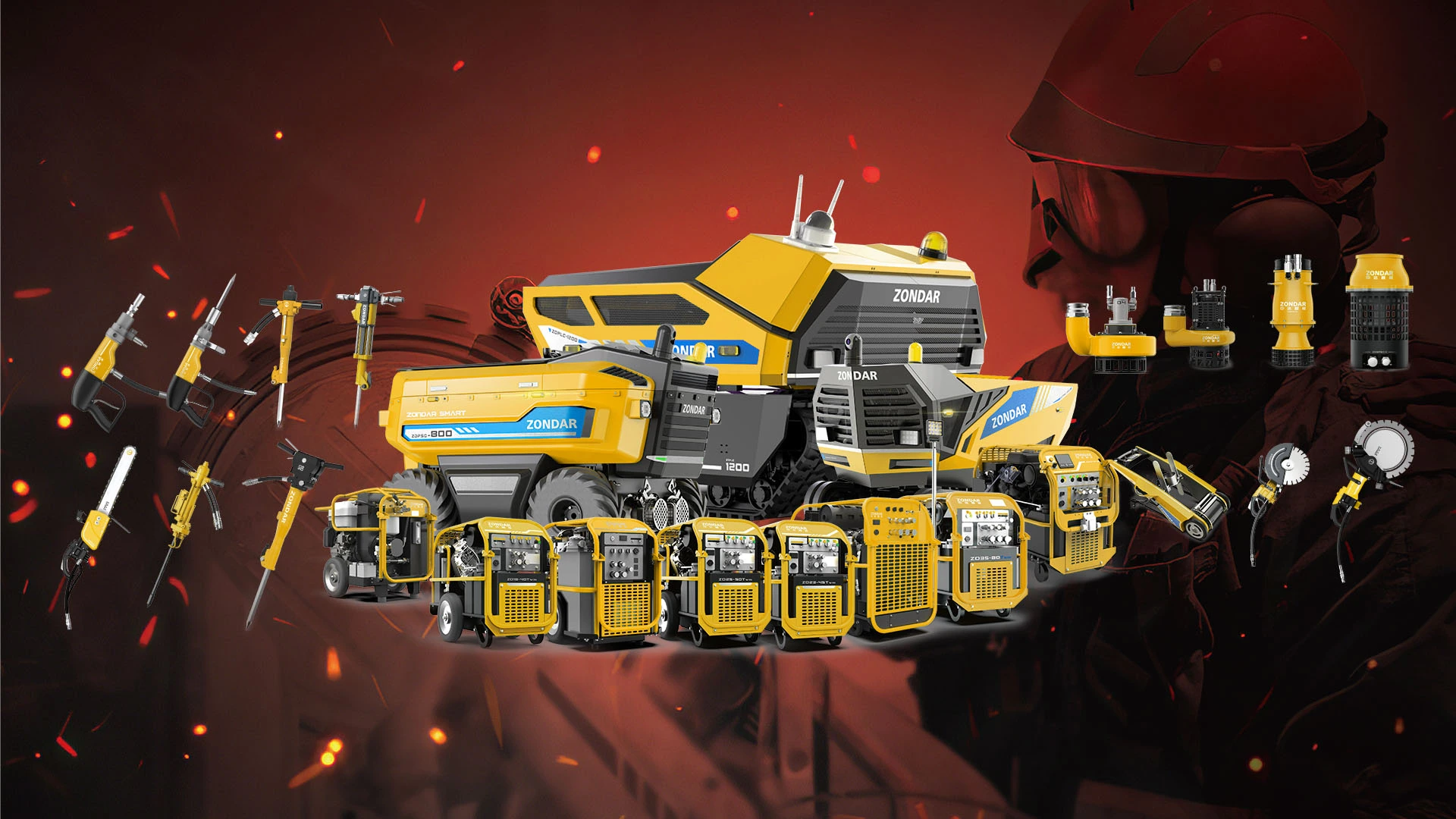
As a professional manufacturer of portable hydraulic tools, ZONDAR has accumulated extensive field experience in municipal engineering, firefighting rescue and infrastructure construction. This guide shares the key factors to consider when choosing a handheld hydraulic breaker and explains how to select the right model for different working conditions.
Typical Applications in Municipal, Rescue and Construction Work
Handheld hydraulic breakers are widely used in three major professional fields.
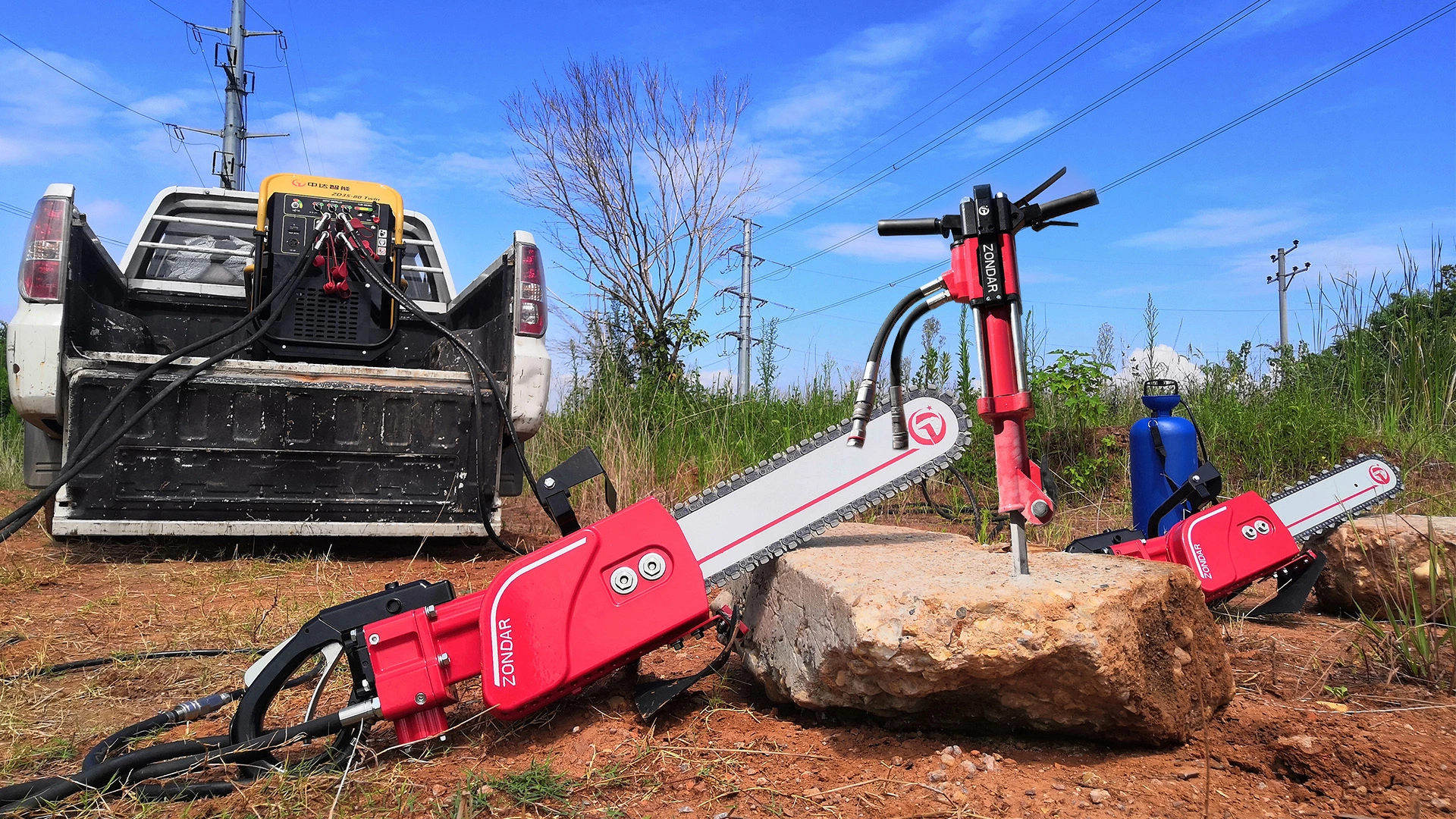
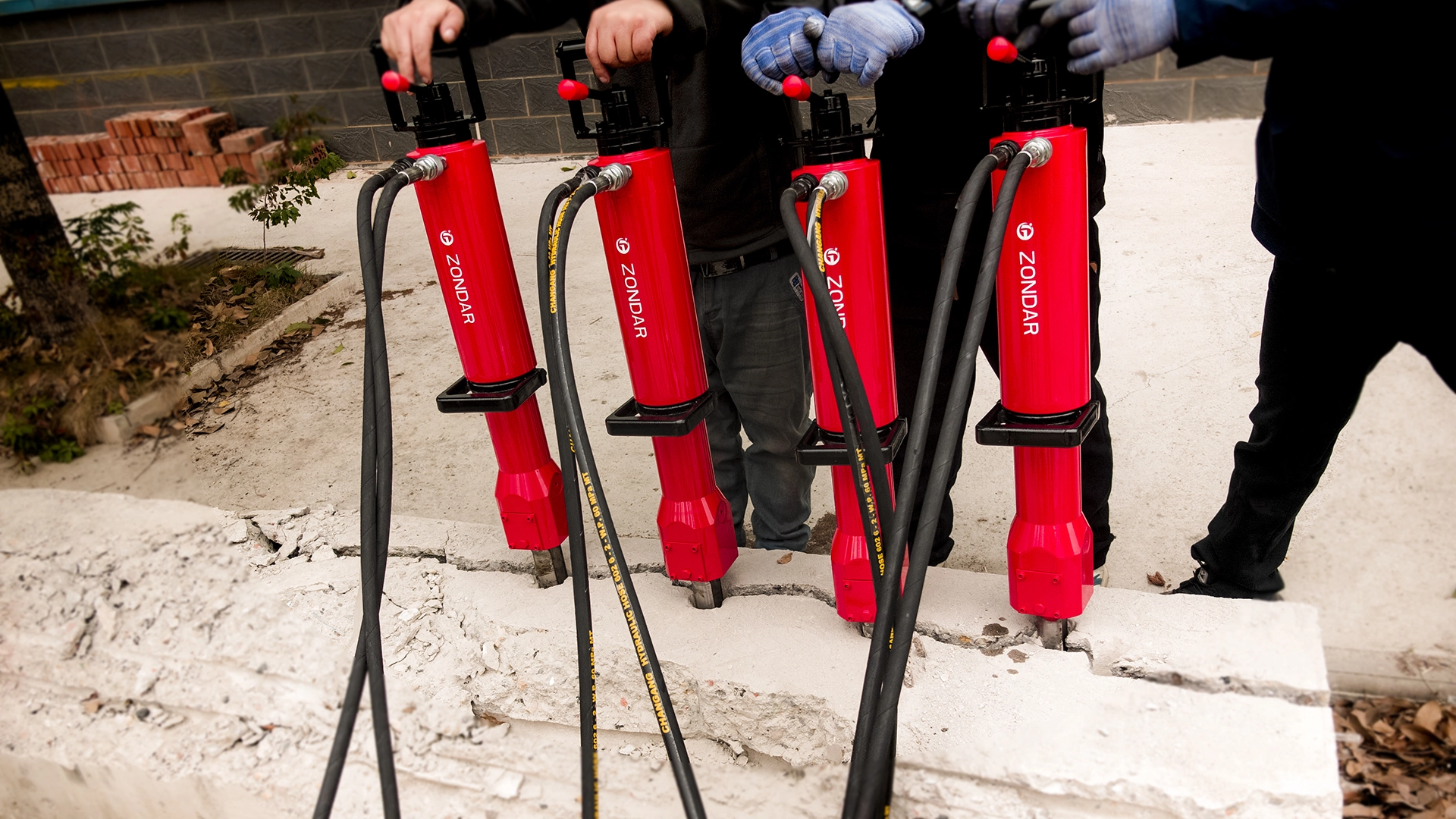
In municipal maintenance and urban demolition, they are commonly applied for breaking concrete sidewalks, curbs, drainage structures and small foundations. These operations often require compact tools that can be easily transported and operated in narrow urban environments.
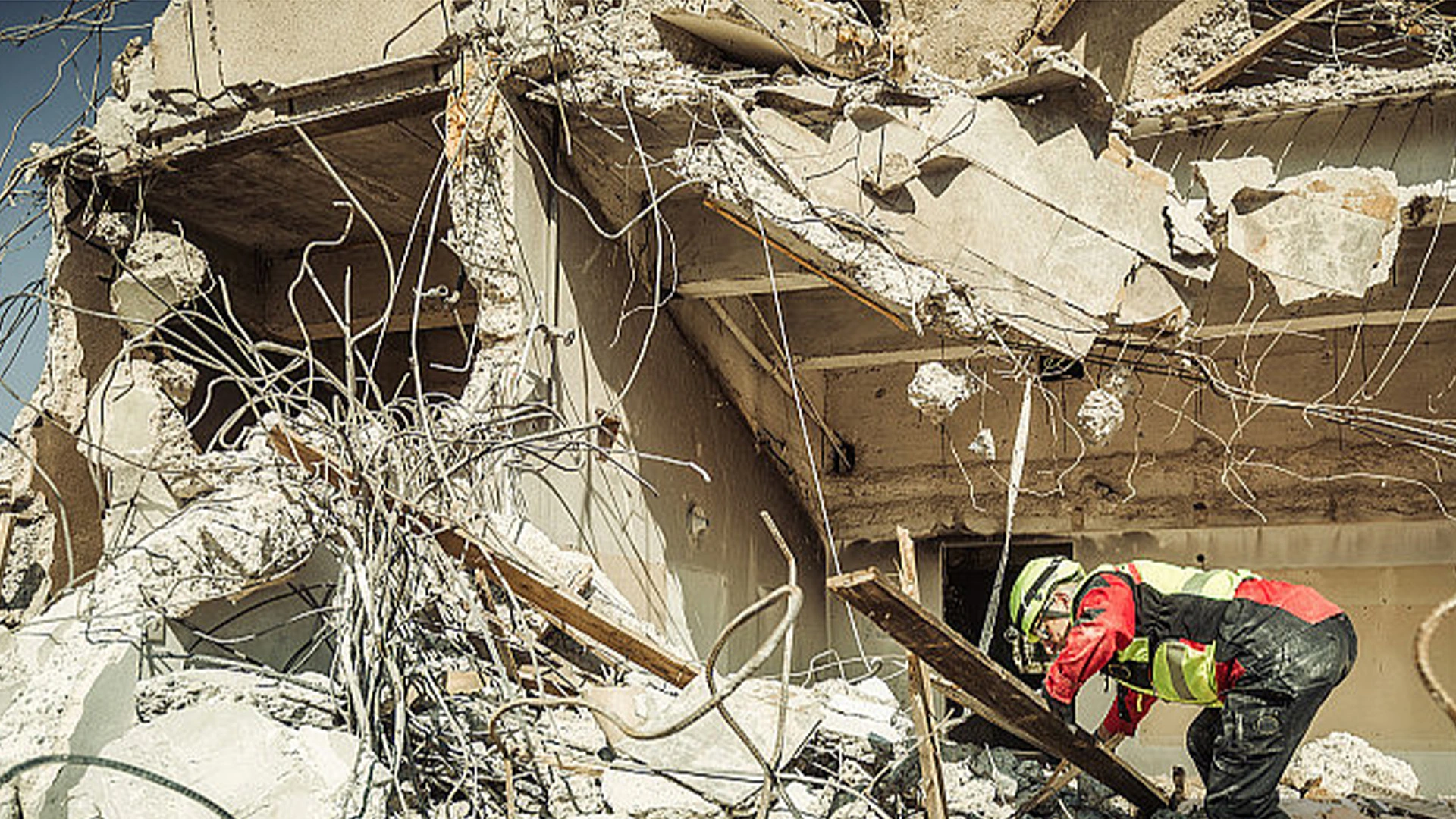
In emergency rescue and disaster response, hydraulic breakers play a critical role in rapid access and victim extrication. Firefighters and rescue teams rely on portable breakers to cut through collapsed concrete, reinforced slabs and masonry under time-critical conditions. Reliability, fast deployment and operator safety are essential in such scenarios.
In construction and infrastructure repair, handheld breakers are used for road maintenance, bridge repair, pipeline trenching and localized demolition tasks. These projects demand stable performance, continuous working capability and compatibility with different hydraulic power sources.
Key Technical Factors When Selecting a Handheld Hydraulic Breaker
Choosing the right breaker requires more than simply comparing impact power. Several technical parameters directly affect performance and service life.
Impact energy determines the breaker’s ability to penetrate hard materials. Higher impact energy improves breaking efficiency in thick concrete and stone, but must be balanced with tool weight and controllability.
Tool weight influences operator fatigue and mobility. Lighter breakers are suitable for overhead work, confined spaces and long operating periods, while heavier models provide higher penetration force for demanding applications.
Hydraulic oil flow and pressure must match the power pack output. An improperly matched system can cause overheating, reduced efficiency or internal damage.
Blow frequency affects material adaptability. High frequency is suitable for brittle materials, while lower frequency with higher energy performs better on dense concrete and stone.
Vibration control is essential for operator comfort and long-term health. Professional breakers incorporate damping structures to reduce hand-arm vibration and improve handling stability.
Chisel type and diameter should be selected according to material type and job requirements. Correct tool selection significantly extends service life and improves productivity.
ZONDAR Model Selection Guide — Light, Medium and Heavy Duty Applications
To meet different professional demands, ZONDAR offers a complete range of handheld hydraulic breakers designed for light, medium and heavy duty work.
ZONDAR 10 — Light-Duty Applications
ZONDAR ZDHB-10 is ideal for municipal maintenance, indoor demolition, pipeline trenching and light concrete breaking. Its compact size and low weight allow single-operator control with minimal fatigue. This model is particularly suitable for confined spaces and long operating periods where mobility and comfort are critical.
ZONDAR 16 — Medium-Duty Applications
ZONDAR ZDHB-16 is designed for road maintenance, medium-strength concrete demolition and firefighting rescue tasks. It offers an excellent balance between impact energy and handling stability. This model is widely used by municipal contractors and emergency units who require both power and precision.
ZONDAR 20 — Heavy-Duty Applications
For thick concrete, reinforced structures, stone breaking and heavy rescue operations, ZONDAR ZDHB-20 delivers high impact energy and continuous working capability. Its robust structure ensures stable performance under high load conditions, making it the preferred choice for demanding demolition and emergency response projects.
ZONDAR 30 — Extra Heavy-Duty and High-Performance Applications
ZONDAR ZDHB-30 is developed for the most demanding demolition and rescue tasks, including massive reinforced concrete structures, bridge components, foundation blocks and high-strength stone. With significantly increased impact energy and reinforced internal components, this model is designed for continuous heavy-duty operation under extreme working conditions.
ZONDAR ZDHB-30 is especially suitable for large-scale infrastructure projects, disaster relief operations involving collapsed buildings, and industrial demolition where maximum breaking capacity and long-term reliability are required. Despite its high power output, advanced vibration control and ergonomic design ensure stable handling and improved operator comfort during prolonged use.
Common Selection Mistakes and How to Avoid Them
One common mistake is selecting a breaker solely based on maximum power while ignoring tool weight and operator control. Excessive weight often reduces efficiency and increases fatigue in real working conditions.
Another frequent issue is mismatched hydraulic systems. Using an incompatible power pack may cause unstable operation, overheating or premature component failure.
Incorrect chisel selection also leads to rapid wear and low productivity. Matching the chisel type to the material is as important as choosing the right breaker model.
Finally, focusing only on initial purchase price often results in higher long-term maintenance and replacement costs. Reliability and service life should always be considered as primary selection criteria.
Why System Matching Matters — Breaker and Power Pack as One Integrated Solution
A handheld hydraulic breaker performs best when properly matched with a suitable hydraulic power pack. ZONDAR designs its breakers to work seamlessly with its own hydraulic power packs, ensuring stable oil flow, optimal pressure control and extended service life.
At the same time, ZONDAR breakers are compatible with most standard hydraulic power packs on the market. This allows users to integrate new breakers into existing systems without replacing their current power units, significantly reducing investment cost and improving system flexibility.
This dual compatibility provides an important advantage for contractors and rescue units operating mixed equipment fleets.
Conclusion — Professional Selection Support from ZONDAR
Selecting the right handheld hydraulic breaker is a key factor in improving productivity, ensuring operator safety and controlling long-term operating cost. By carefully evaluating application scenarios, technical parameters and system compatibility, users can achieve optimal performance in municipal, rescue and construction projects.
As a professional manufacturer of portable hydraulic tools, ZONDAR provides comprehensive model selection support, application consultation and system matching services. Our engineering team works closely with customers to recommend the most suitable breaker solutions for each project.
For professional advice or customized recommendations, please contact ZONDAR technical support and let us help you build a more efficient and reliable demolition and rescue system.