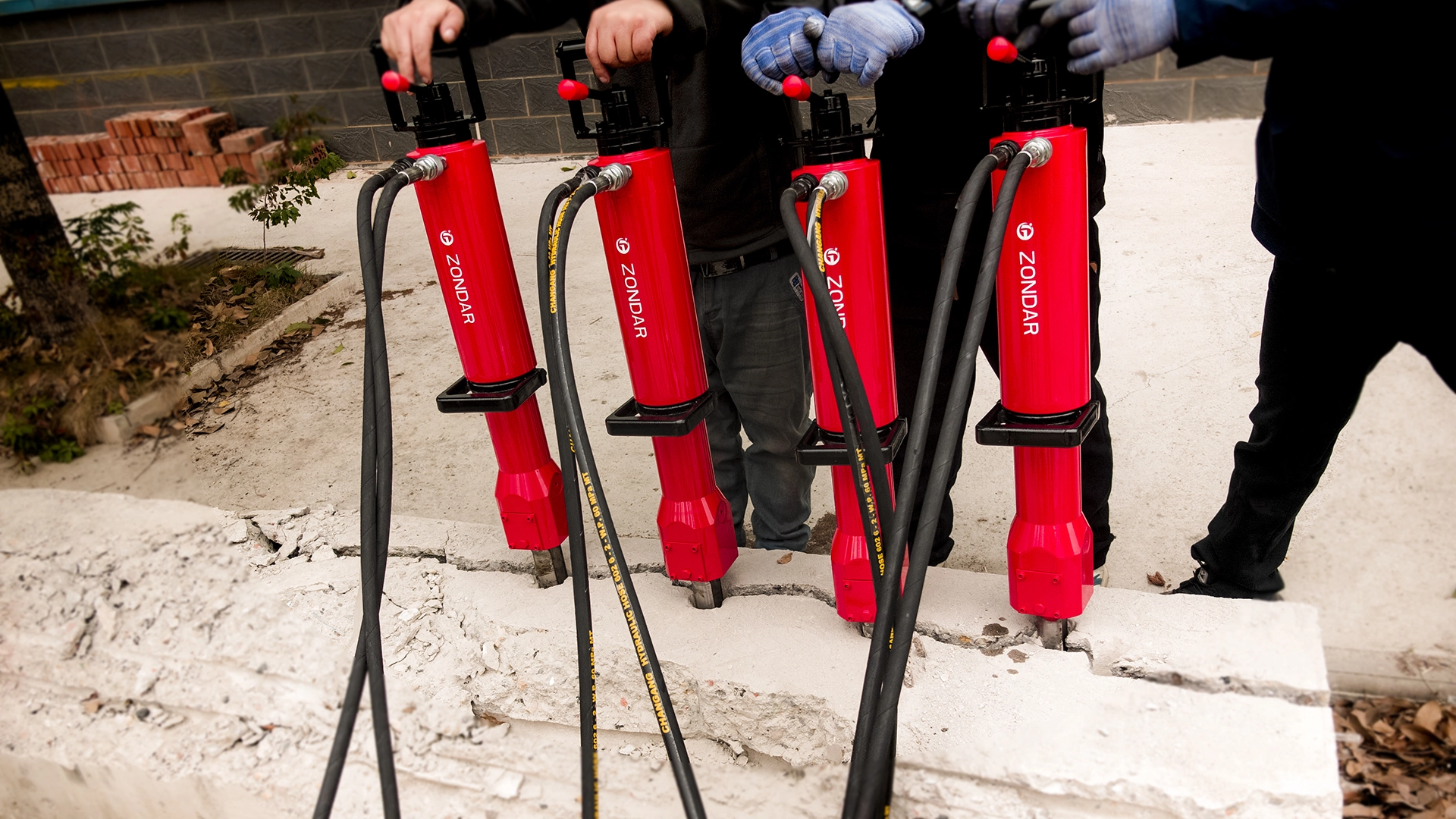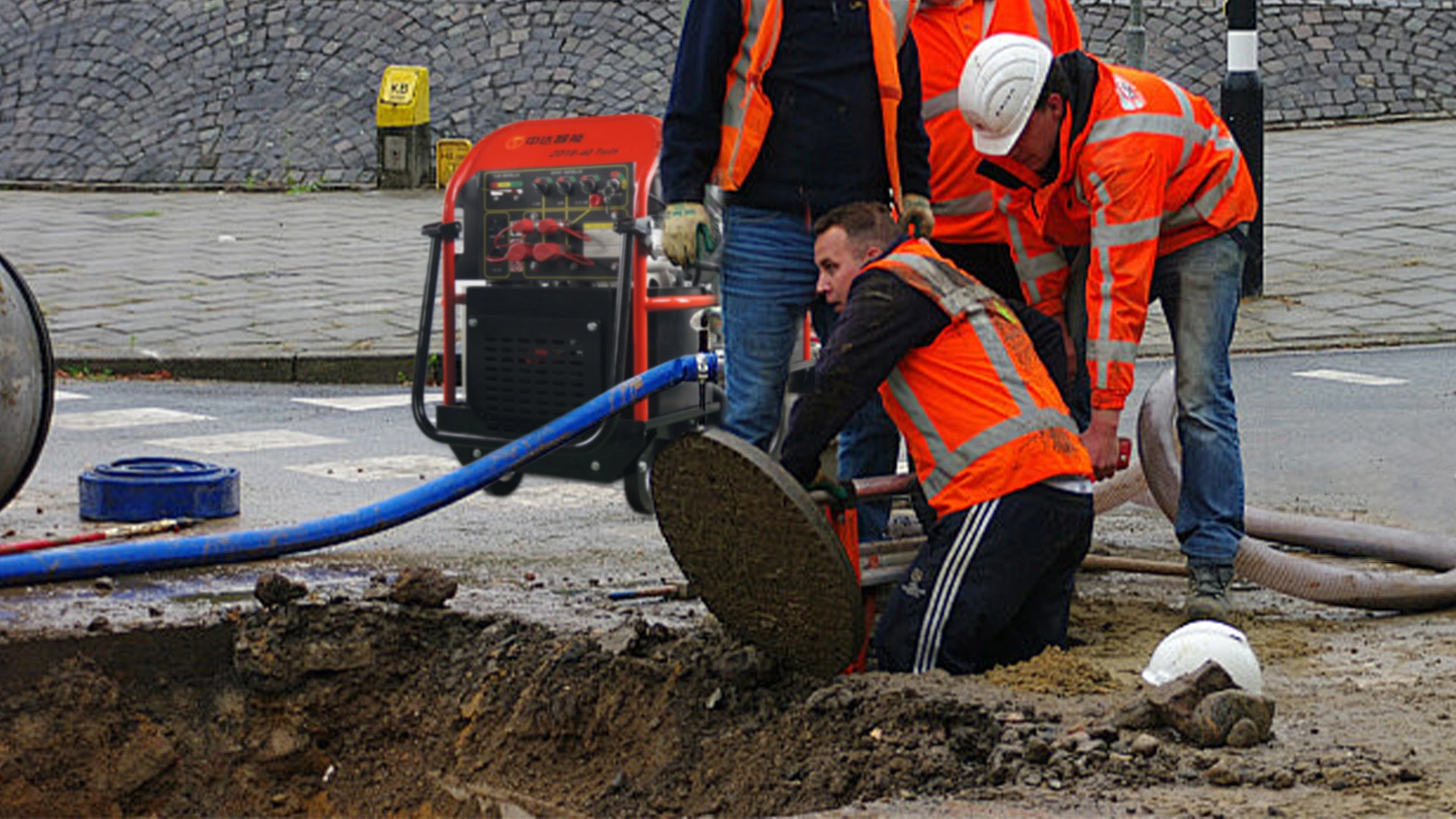
Handheld hydraulic breakers are widely used in municipal maintenance, emergency rescue, firefighting, and construction projects. While impact energy and breaking efficiency often receive the most attention, vibration control and operator safety are equally critical—yet frequently underestimated.
Excessive vibration not only causes operator fatigue but can also lead to long-term health risks, reduced productivity, and higher equipment downtime. Understanding what truly matters in vibration reduction helps users choose the right breaker for both performance and safety.
Why Vibration Matters More Than You Think?
Unlike stationary demolition equipment, handheld hydraulic breakers rely entirely on the operator’s body for stability and control. Prolonged exposure to vibration can result in:
- Hand–arm vibration syndrome (HAVS)
- Nerve damage and reduced grip strength
- Faster operator fatigue and lower work precision
- Increased risk of accidents during long operations
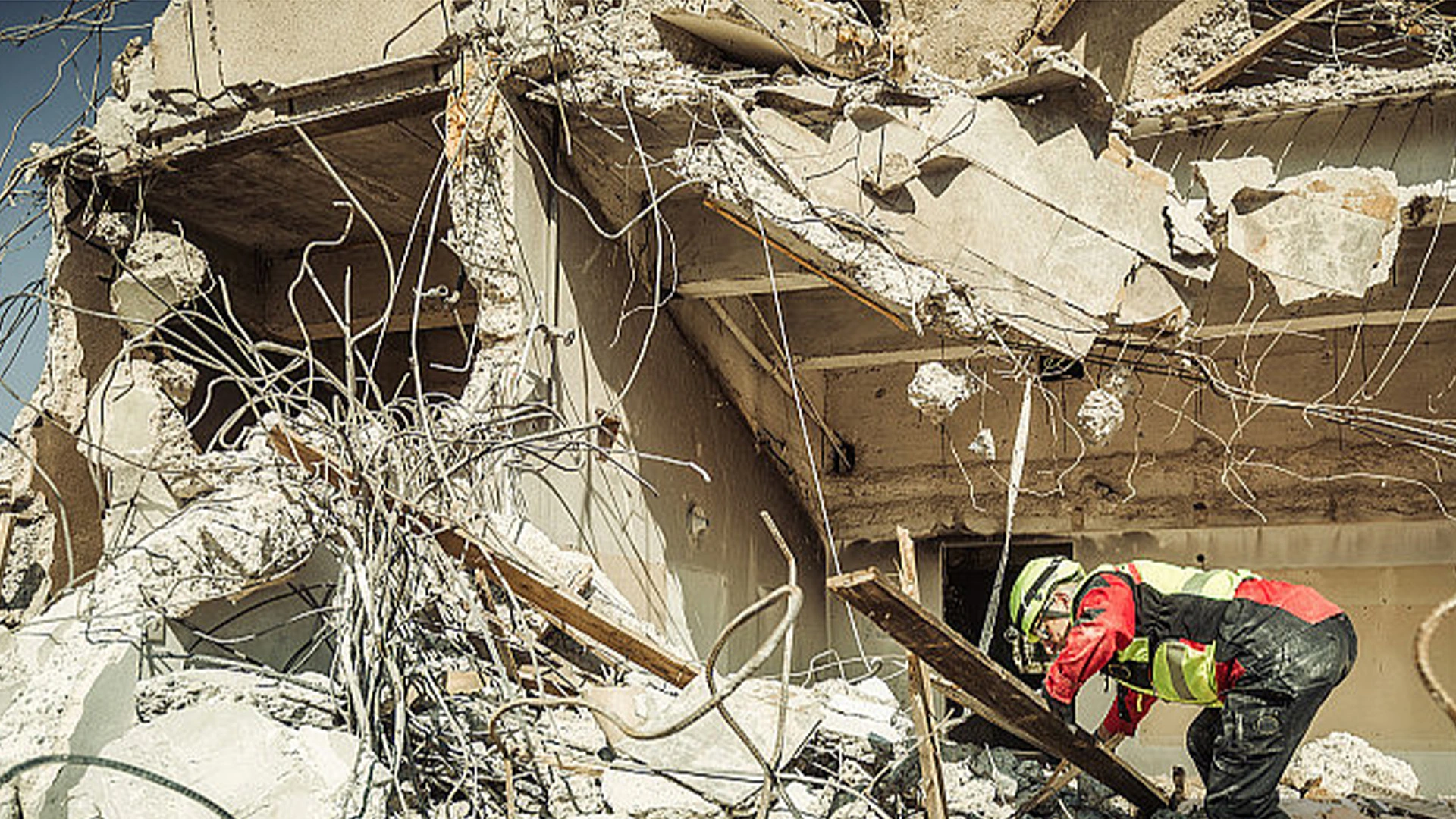
For emergency rescue and municipal work, where speed, accuracy, and endurance are essential, low-vibration performance directly impacts mission success.
What Causes Vibration in Handheld Hydraulic Breakers?
Vibration is not caused by impact power alone. The real factors include:
1. Impact Mechanism Design
Poorly balanced pistons and uneven energy transfer generate unnecessary recoil and oscillation.
2. Structural Rigidity
Weak housing structures amplify vibration instead of absorbing it.
3. Tool–Material Interaction
Irregular impact surfaces (asphalt, reinforced concrete, frozen ground) increase rebound forces.
4. Hydraulic Flow Stability
Unstable pressure and flow from the power pack cause inconsistent striking force, increasing vibration.
What Really Reduces Vibration: Key Engineering Factors
Optimized Internal Damping System
High-quality hydraulic breakers integrate internal damping structures that absorb recoil energy before it reaches the handles.
Precision-Machined Moving Parts
Tight tolerances reduce side movement of the piston, resulting in smoother, more controlled impacts.
Balanced Impact Energy
Instead of “harder hits,” modern breakers focus on effective energy transfer, reducing unnecessary shock.
Rigid, Reinforced Housing
A strong housing minimizes vibration amplification and extends tool lifespan.
Operator Safety: More Than Just Comfort
Low vibration is not only about comfort—it directly affects job safety and operational efficiency.
Reduced Fatigue = Better Control
Operators can maintain proper posture and precision for longer periods, especially during overhead or confined-space work.
Lower Risk of Injury
Consistent low vibration reduces strain on wrists, elbows, and shoulders.
Higher Productivity
Less downtime due to fatigue means faster job completion and better work quality.
For fire and rescue teams, this can be the difference between minutes saved and lives protected.
ZONDAR’s Approach to Low-Vibration Hydraulic Breakers
ZONDAR handheld hydraulic breakers are engineered with operator safety as a core priority:
- Optimized impact structure for smooth energy transfer
- Reinforced body design to suppress vibration transmission
- Stable hydraulic requirements compatible with ZONDAR hydraulic power packs
- Full compatibility with existing customer-owned hydraulic power stations
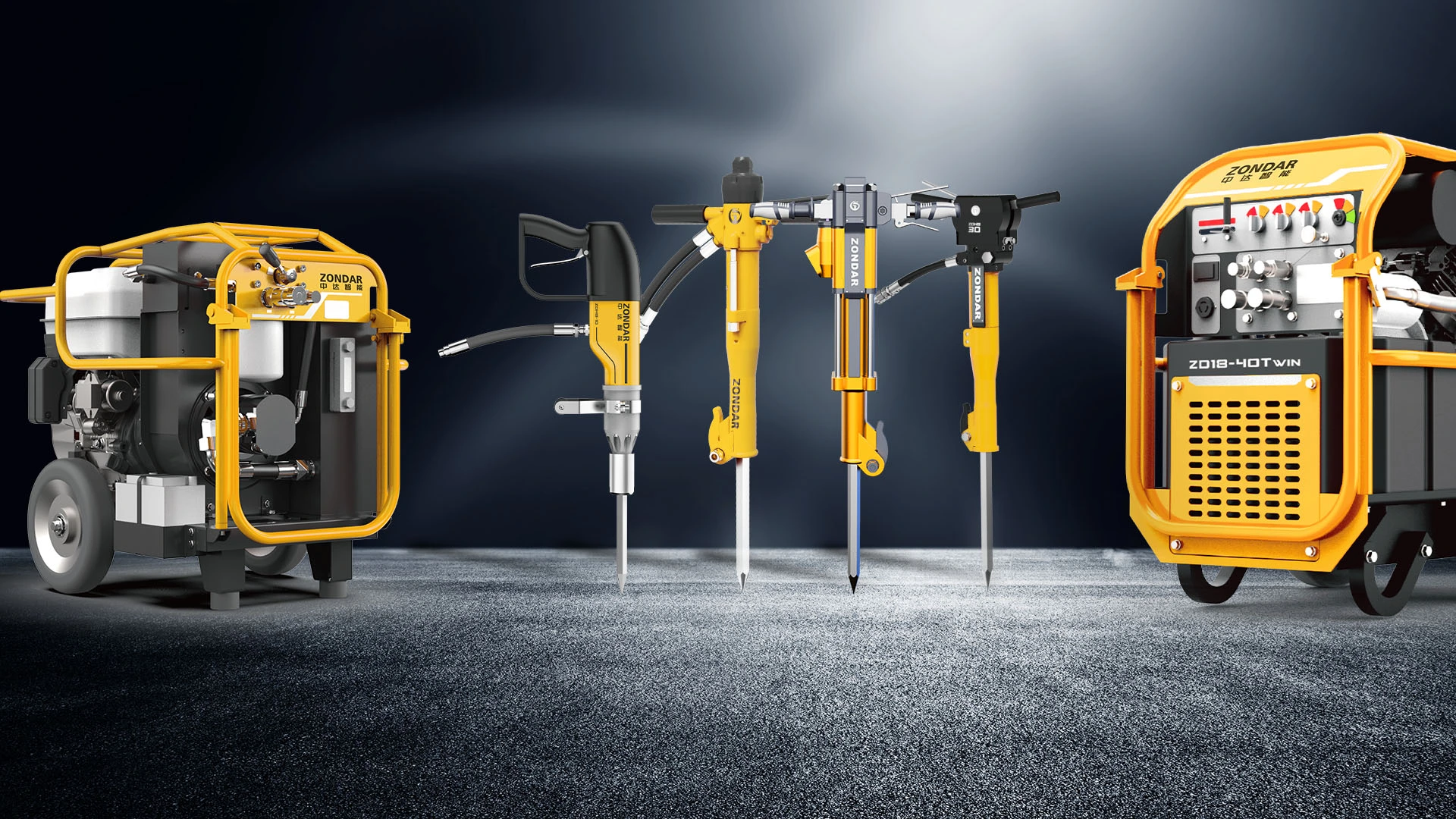
From light-duty municipal maintenance to heavy-duty emergency demolition, ZONDAR offers multiple models to match different vibration-control and power needs.
Choosing the Right Breaker: What Buyers Should Focus On
When evaluating vibration performance, don’t rely on power ratings alone. Ask these questions:
- Is the breaker designed for long-duration operation?
- Does it support stable hydraulic flow?
- Is it certified or tested for operator safety standards?
- Can it connect seamlessly to your existing hydraulic power pack?
A well-balanced breaker protects both the operator and your investment.
Final Thoughts
In handheld hydraulic breakers, low vibration is not a luxury—it’s a necessity. True performance is measured not only by how fast concrete breaks, but by how safely and efficiently operators can work day after day.
For municipal crews, emergency responders, and construction professionals, choosing a low-vibration hydraulic breaker is a decision that delivers long-term value—both in productivity and people protection.