
ROCK MINE AND BUILDING SPLITTING
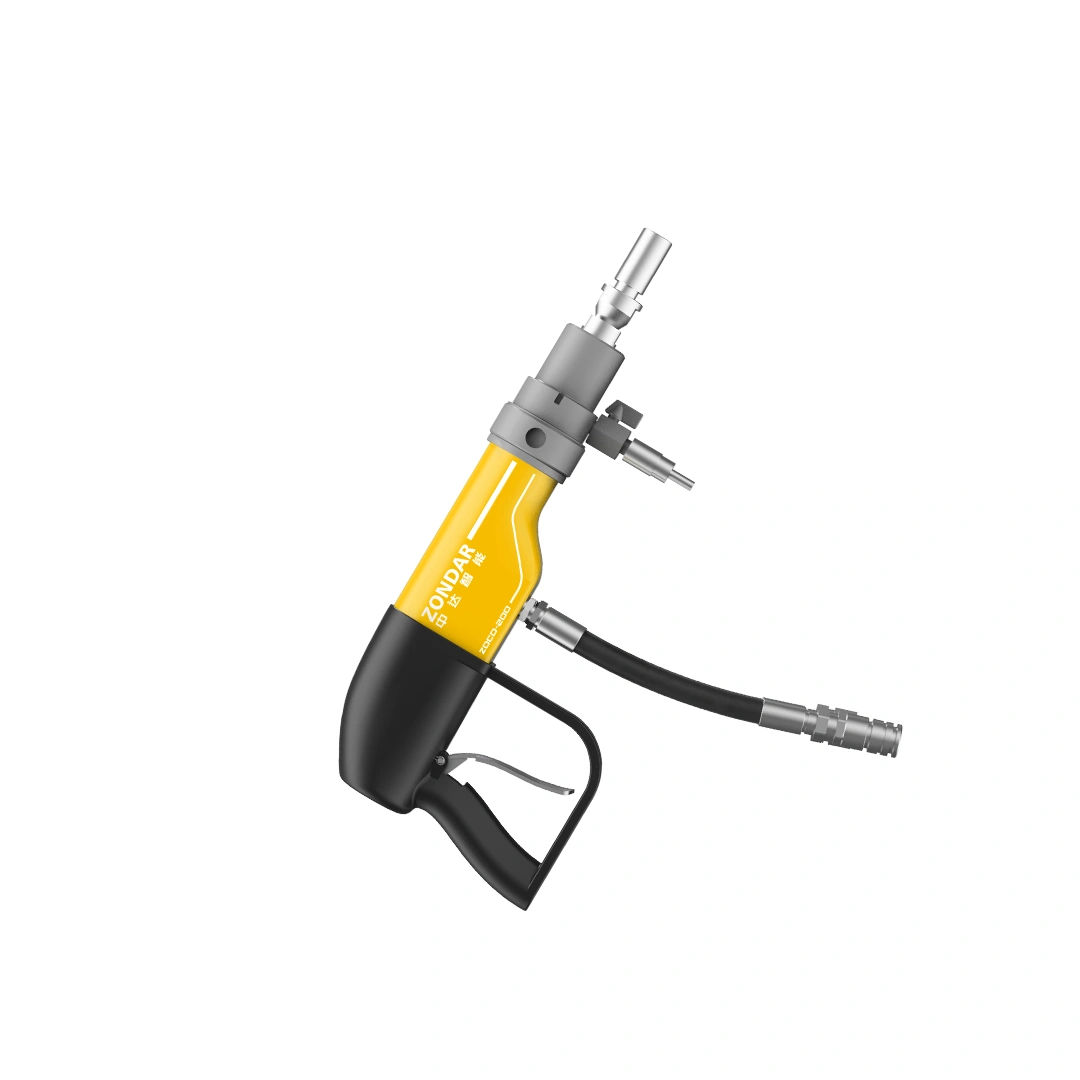
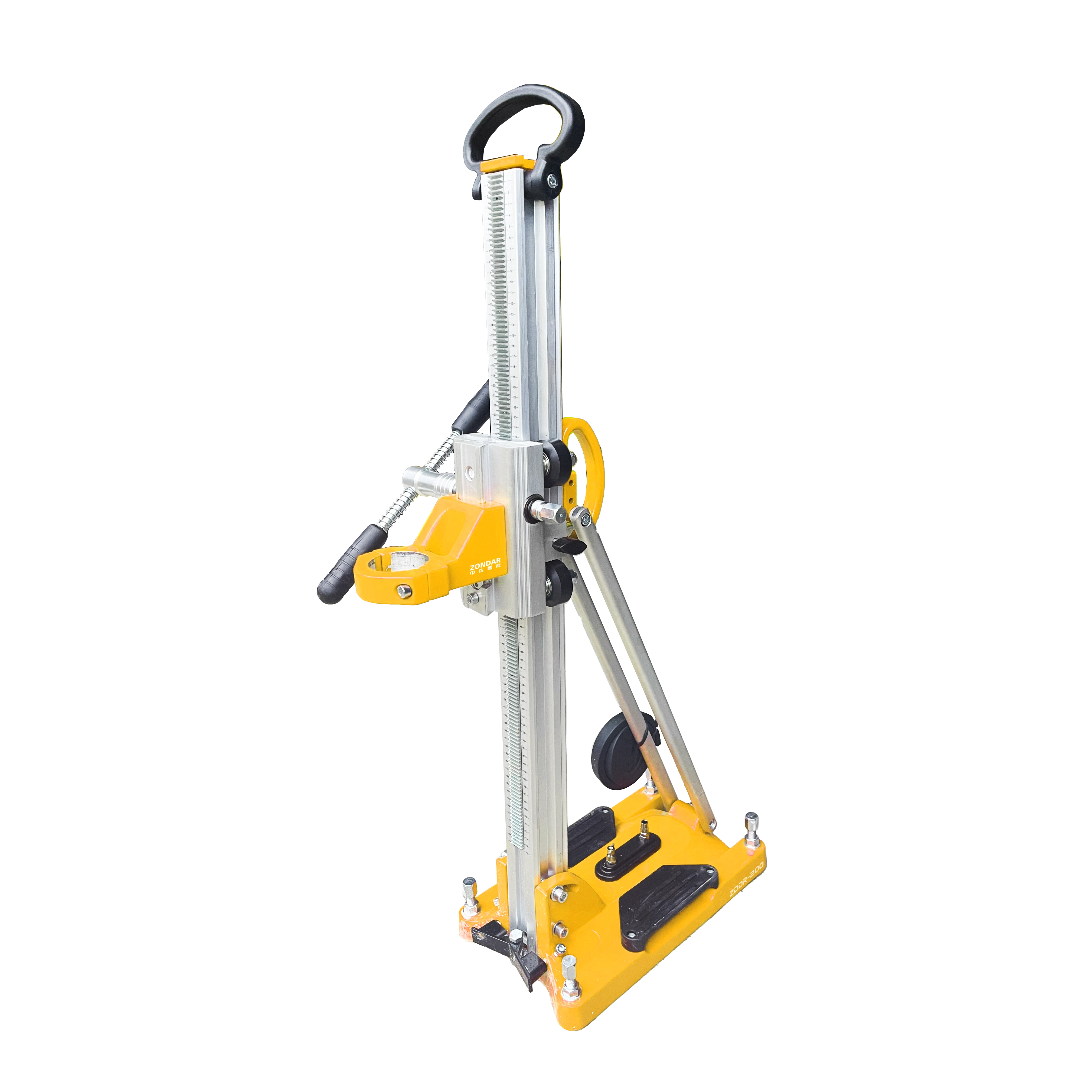
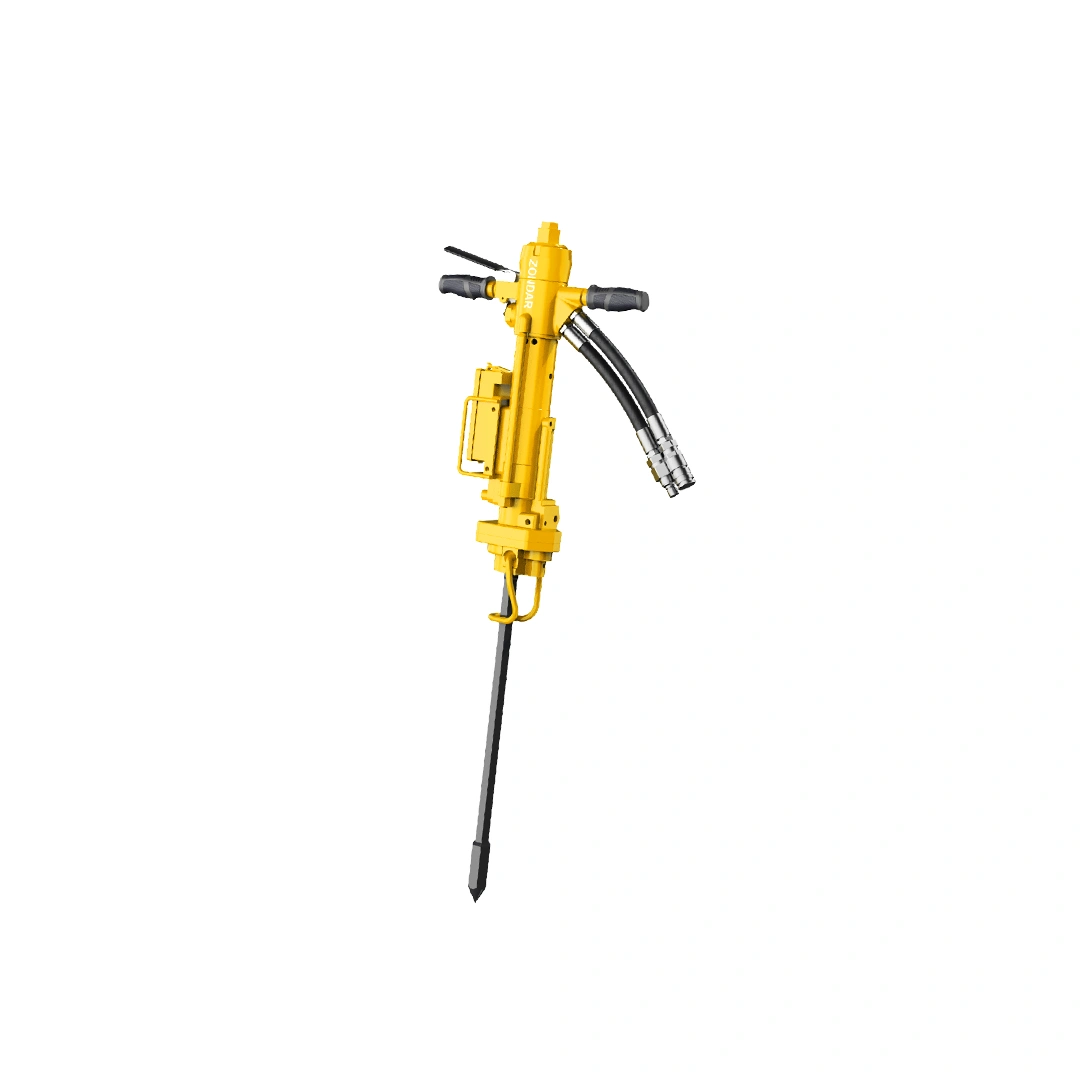
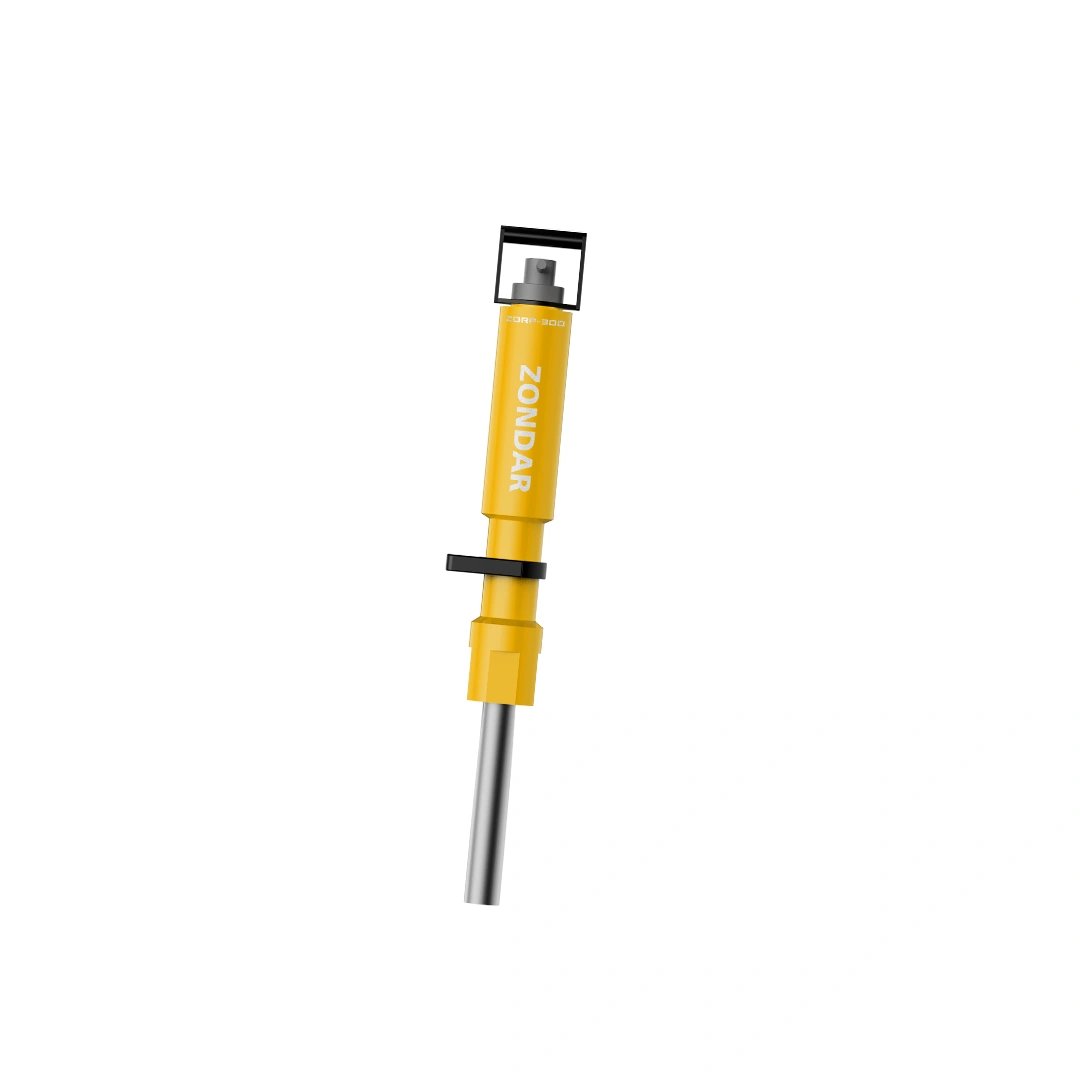
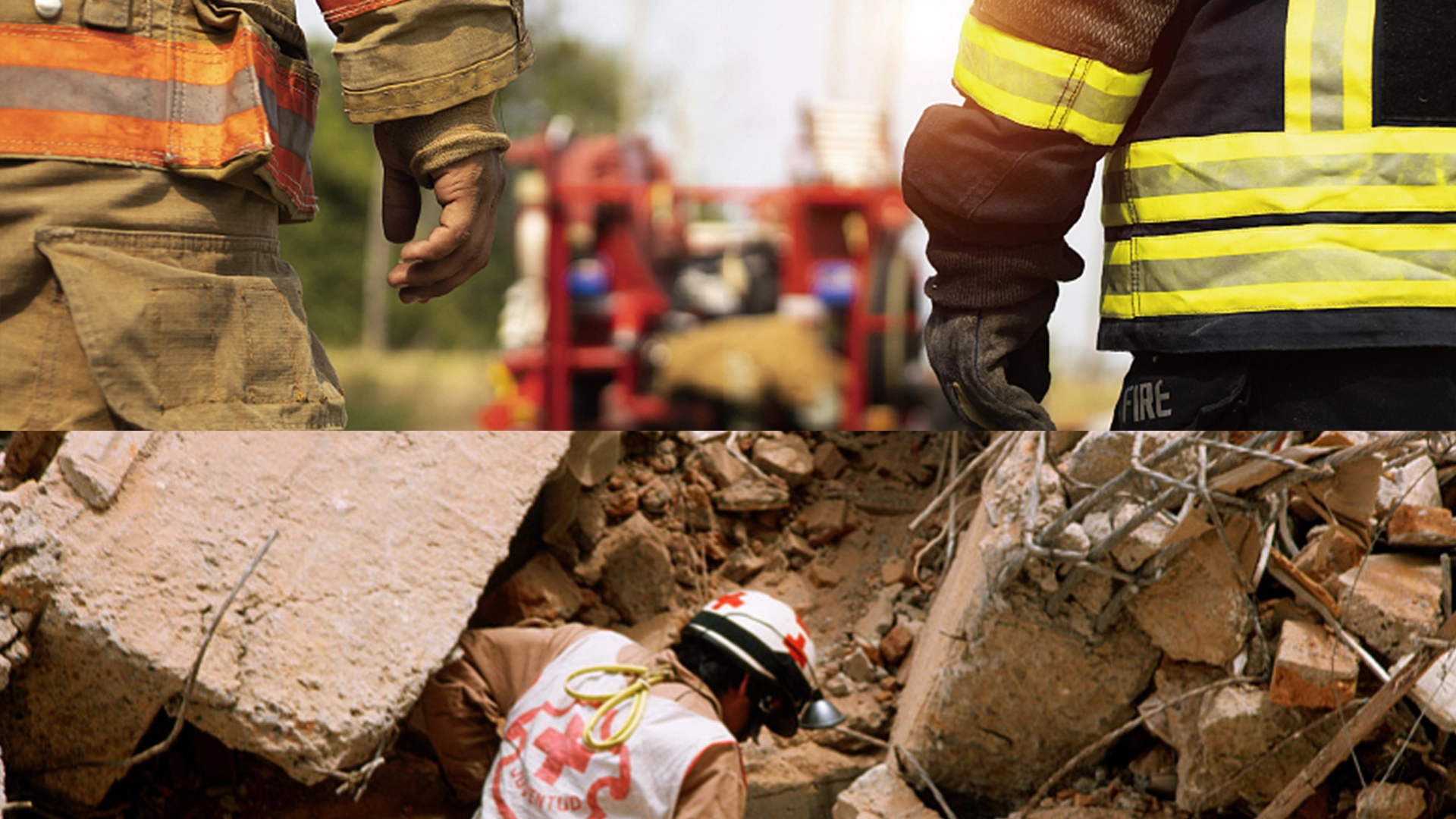
Professional hydraulic door breaker designed for firefighting and emergency rescue teams. This forcible entry tool provides a fast, powerful, and safe solution for breaching security doors, metal doors, and other barriers. Durable, reliable, and efficient for critical lifesaving operations.

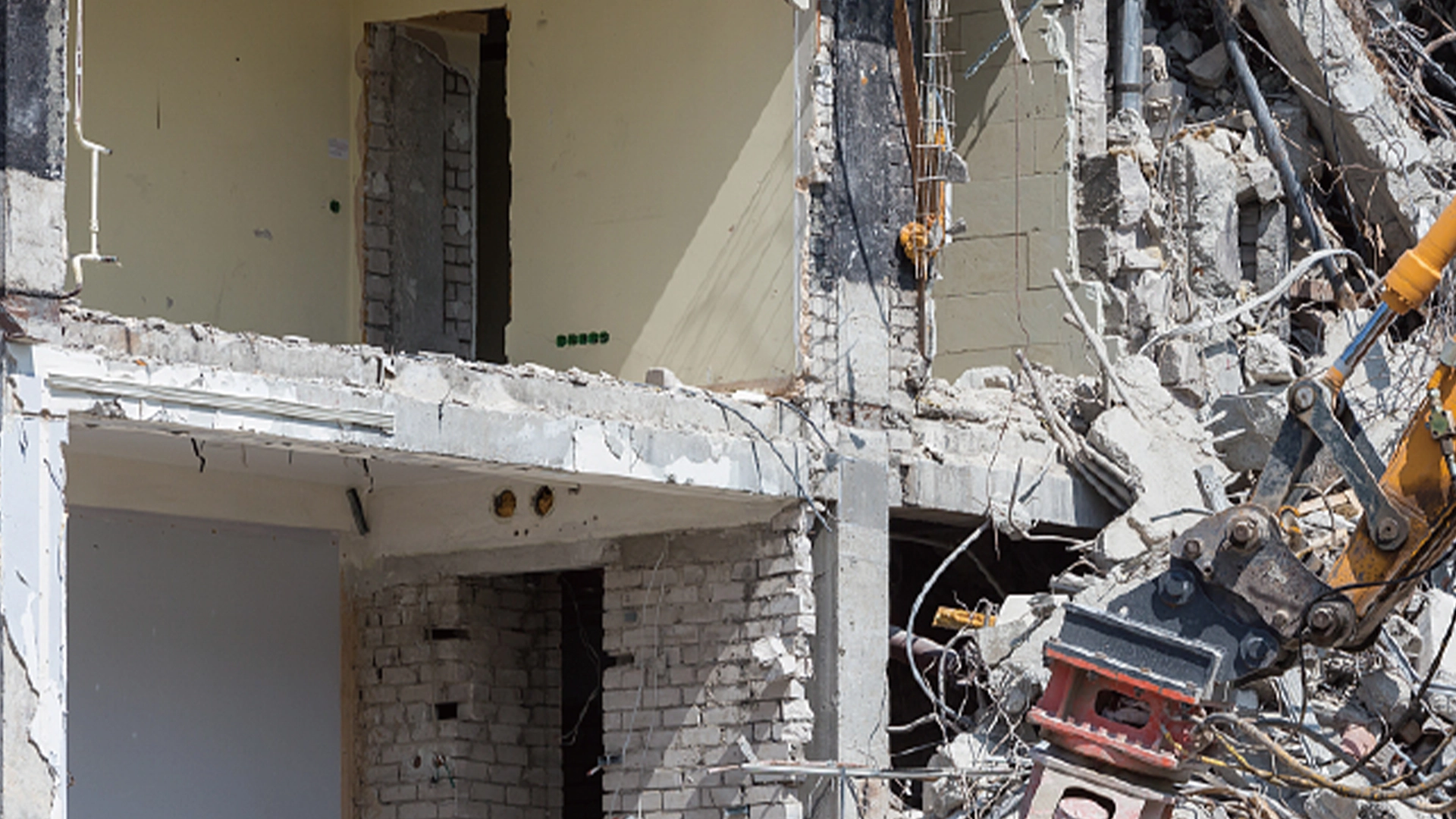
For decades, breaking rock meant one thing: brute force. The thunderous roar of jackhammers, the ground-shaking blast of explosives, and the sheer physical exertion defined the industry. But in today's world, where projects are often nestled in urban centers, near sensitive structures, or in environmentally protected areas, that old-school approach is increasingly problematic. It's loud, disruptive, dangerous, and often imprecise. This is where the hydraulic rock splitter steps in, not just as another tool, but as a paradigm shift in demolition and excavation. It represents a move from destructive force to controlled, intelligent power. If you're still weighing your options between traditional methods and modern hydraulic technology, understanding why precision isn't just a luxury—it's a necessity for safety, efficiency, and project success—is crucial.
Let's start with the methods that have been the industry standard. Explosives, or blasting, is often seen as the fastest way to move large volumes of rock. However, this speed comes with a massive list of caveats and hidden costs. First and foremost is safety. Handling explosives requires highly specialized, licensed personnel and stringent security protocols. The risk of flyrock—debris propelled beyond the blast zone—poses a severe danger to workers and nearby structures. The vibrations generated can damage foundations, pipelines, and historical buildings, leading to costly lawsuits and repairs. Environmentally, blasting creates significant noise pollution, dust clouds, and can disturb wildlife habitats and groundwater. From a logistical standpoint, obtaining permits for blasting in populated areas is notoriously difficult and time-consuming, often bringing projects to a standstill before they even begin.
Jackhammers, or pneumatic breakers, offer more control than blasting but introduce a different set of challenges. They are incredibly labor-intensive, requiring operators to endure hours of punishing vibration and deafening noise, leading to long-term health issues like Hand-Arm Vibration Syndrome (HAVS) and hearing loss. Their effectiveness is limited to surface breaking and fracturing; they struggle with deep, solid rock and are useless for creating precise, clean breaks. The process is slow, generates immense amounts of dust, and the constant "pecking" action can create micro-fractures in the surrounding rock, potentially weakening the overall structure you're trying to preserve. For tasks requiring a specific break line or minimal disturbance to the surrounding area, both blasting and jackhammers are fundamentally the wrong tools for the job.
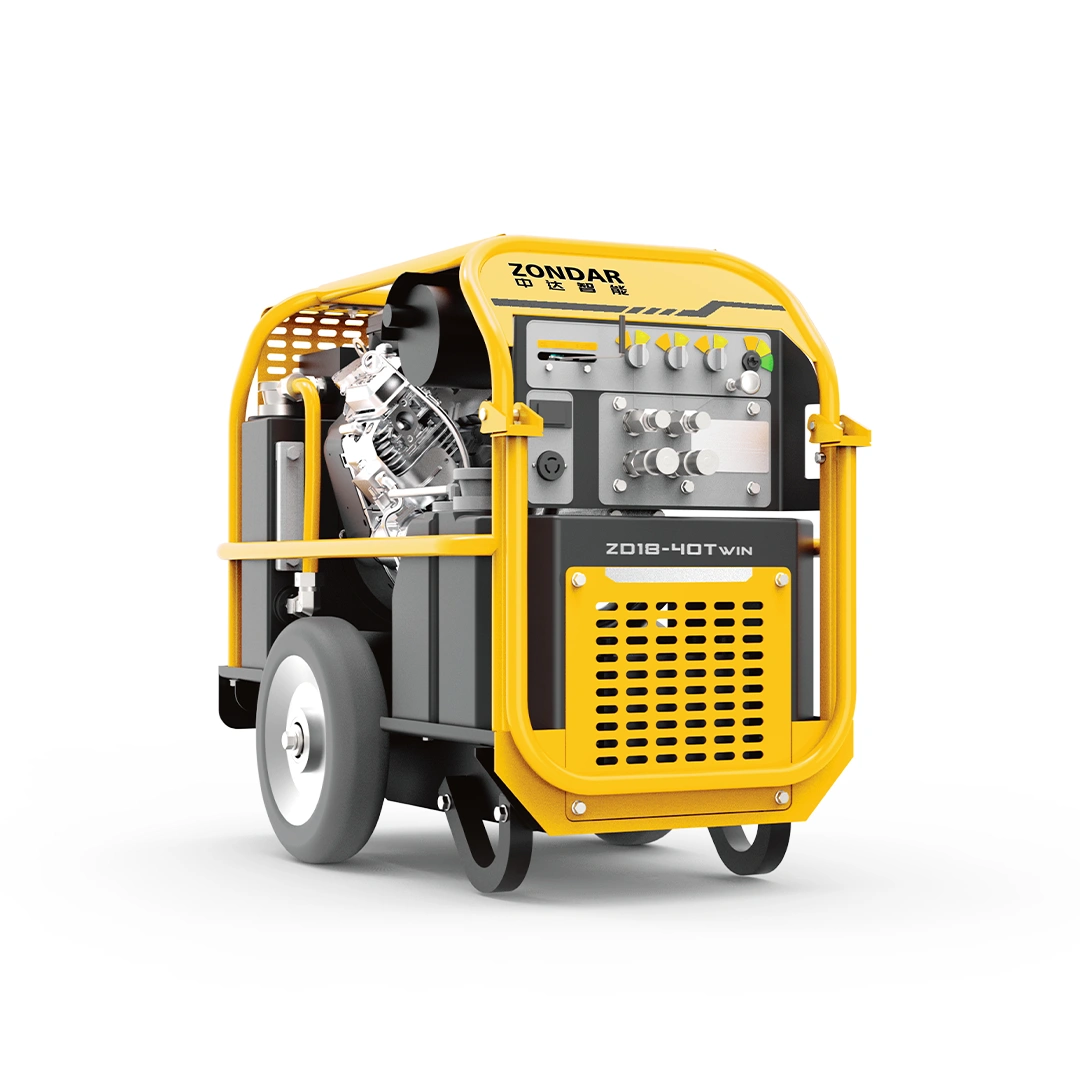
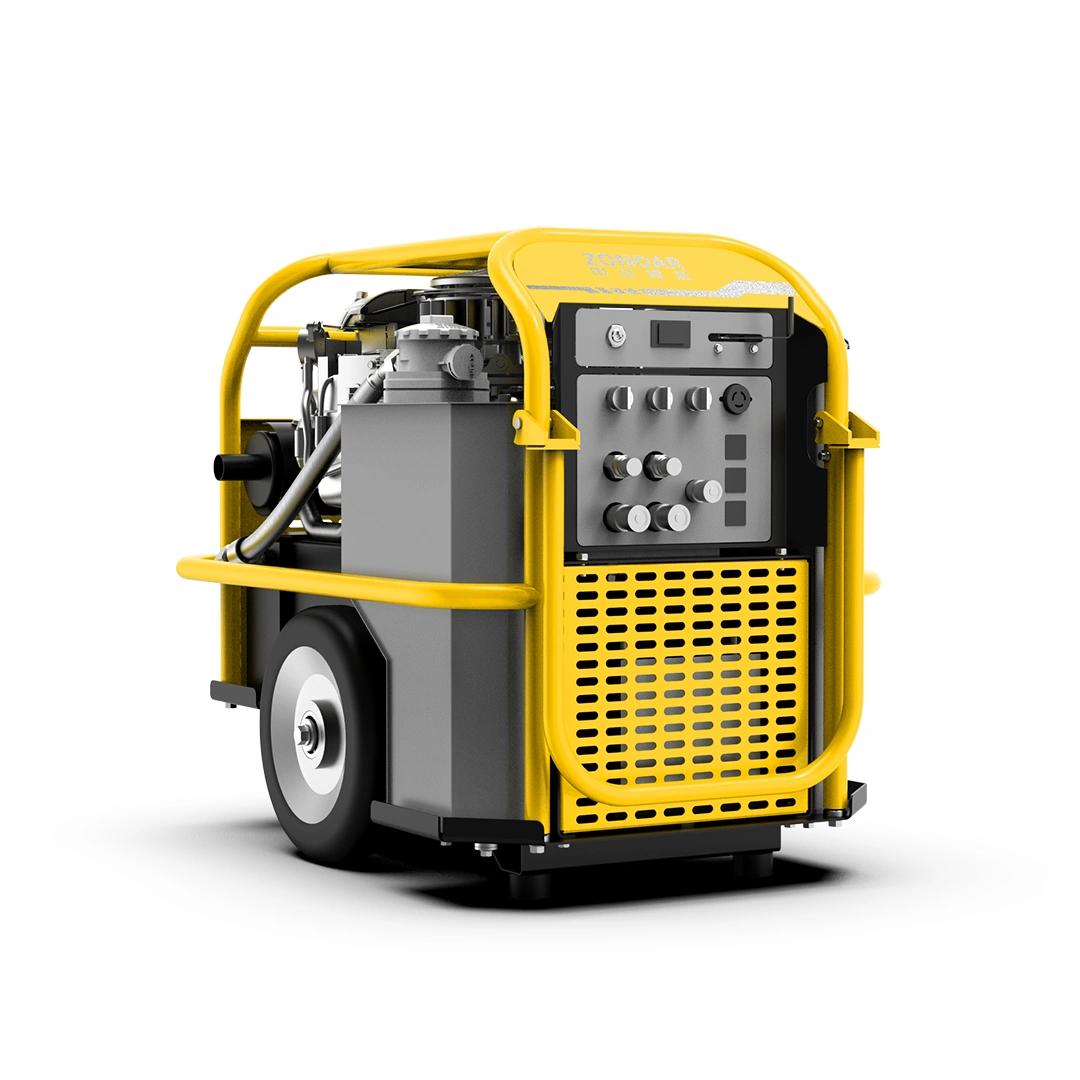
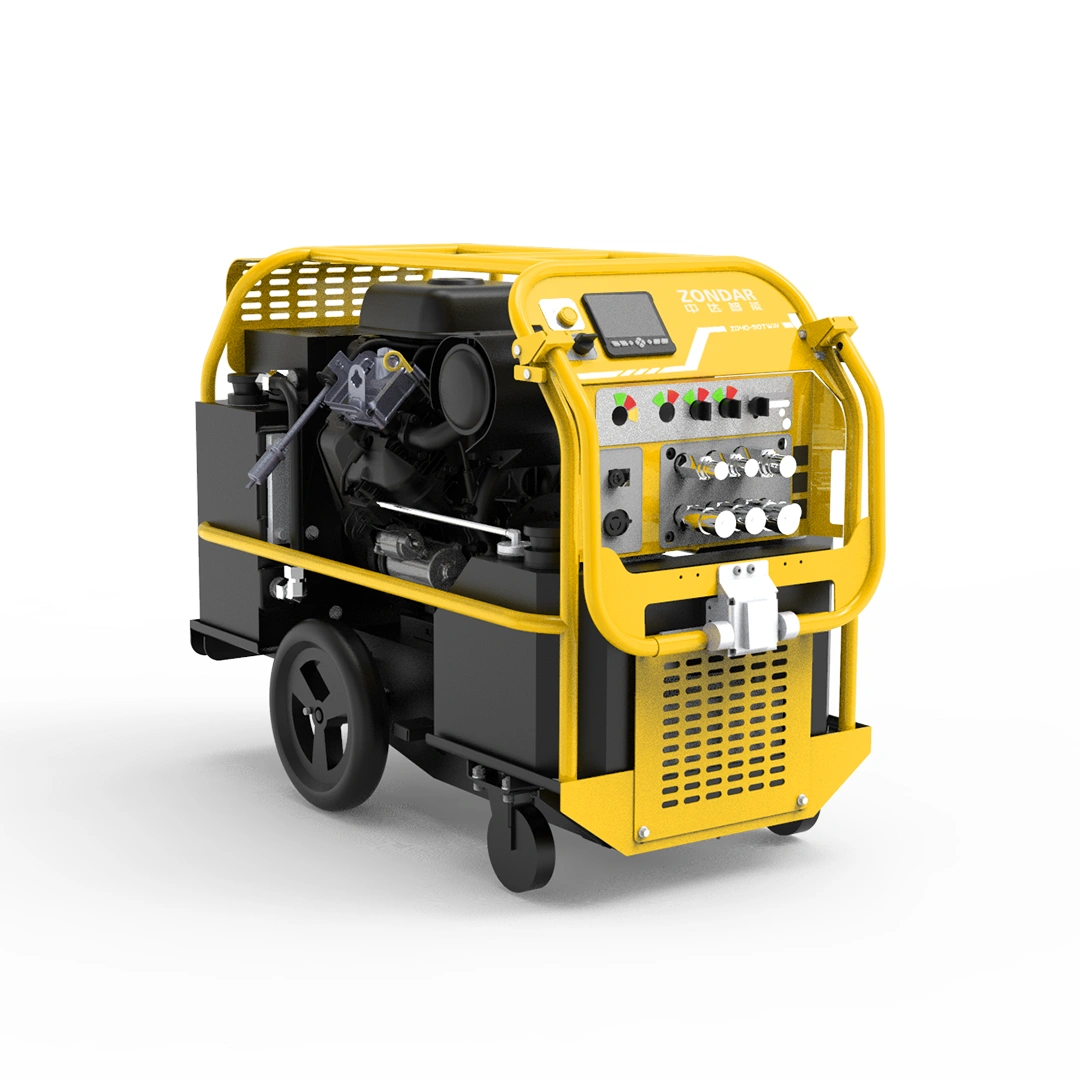
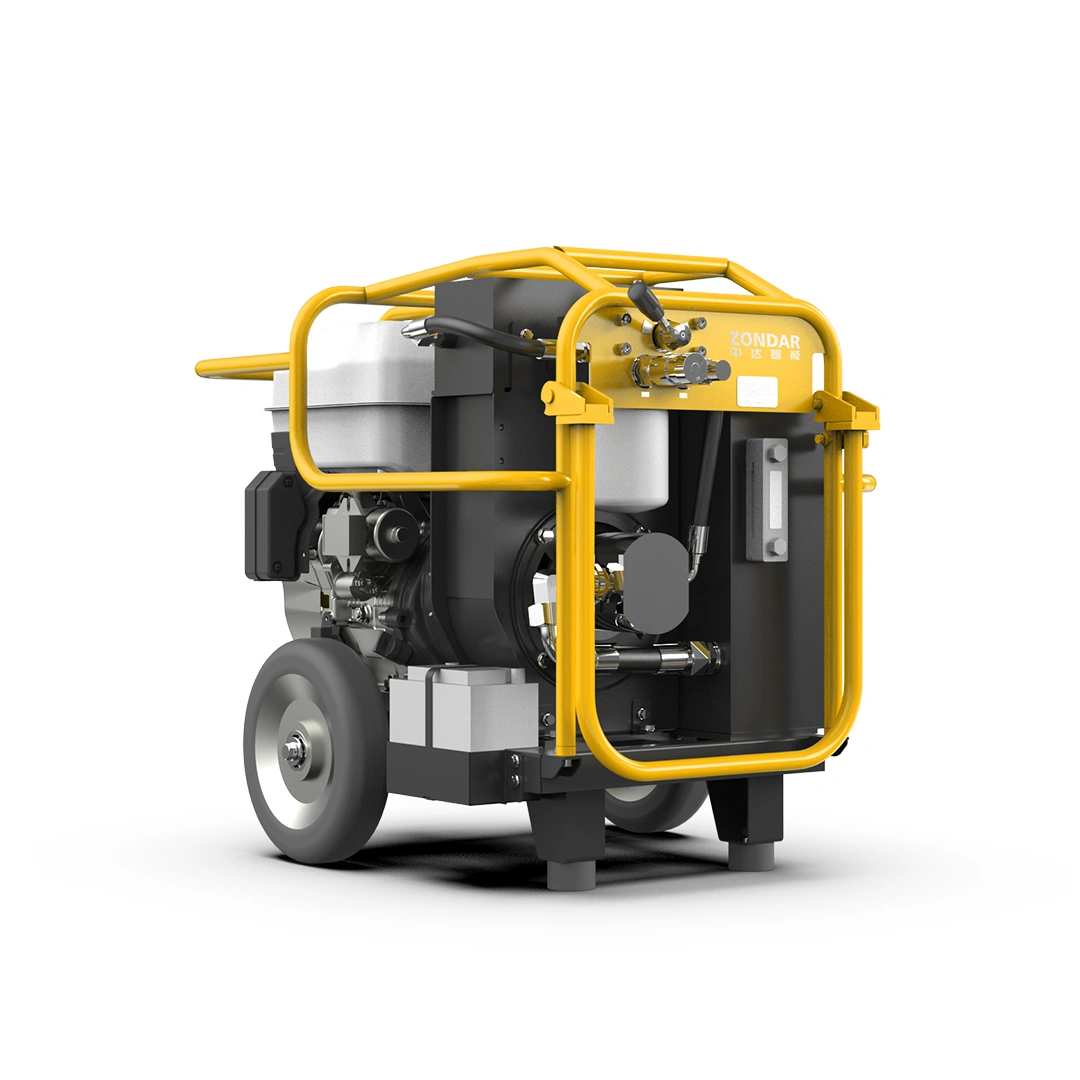
Enter the hydraulic rock splitter. This technology operates on a simple yet brilliant principle of physics: controlled pressure over a focused area. Instead of applying explosive force or repetitive impact across a wide surface, a hydraulic splitter uses a diesel, gasoline, or electric-powered hydraulic power unit to generate immense, steady pressure. This pressure is channeled through a hose to a splitting head, which is inserted into a pre-drilled hole in the rock. Inside the head, a hydraulic piston drives a set of hardened steel wedges outward with a force that can exceed 500 tons. This force is applied statically and continuously, creating a controlled tensile crack that propagates through the rock along the path of least resistance.
The magic lies in this control. Because the force is directed internally and radially, it splits the rock from within. This means you can predict and guide the fracture line with remarkable accuracy. Whether you need to slice a granite boulder in half, remove a section of bedrock for a foundation without damaging the surrounding earth, or perform selective demolition on a concrete structure, the hydraulic splitter does it with surgical precision. There's no shockwave, no violent vibration, and no flying debris. The process is inherently safer and allows work to continue just feet away from the splitting operation, something unthinkable with traditional methods. This makes it ideal for urban trenching, basement excavations, monument carving, and even underwater hydraulic rock splitting for marine construction.
When you compare side-by-side, the benefits of hydraulic rock splitters become overwhelmingly clear:
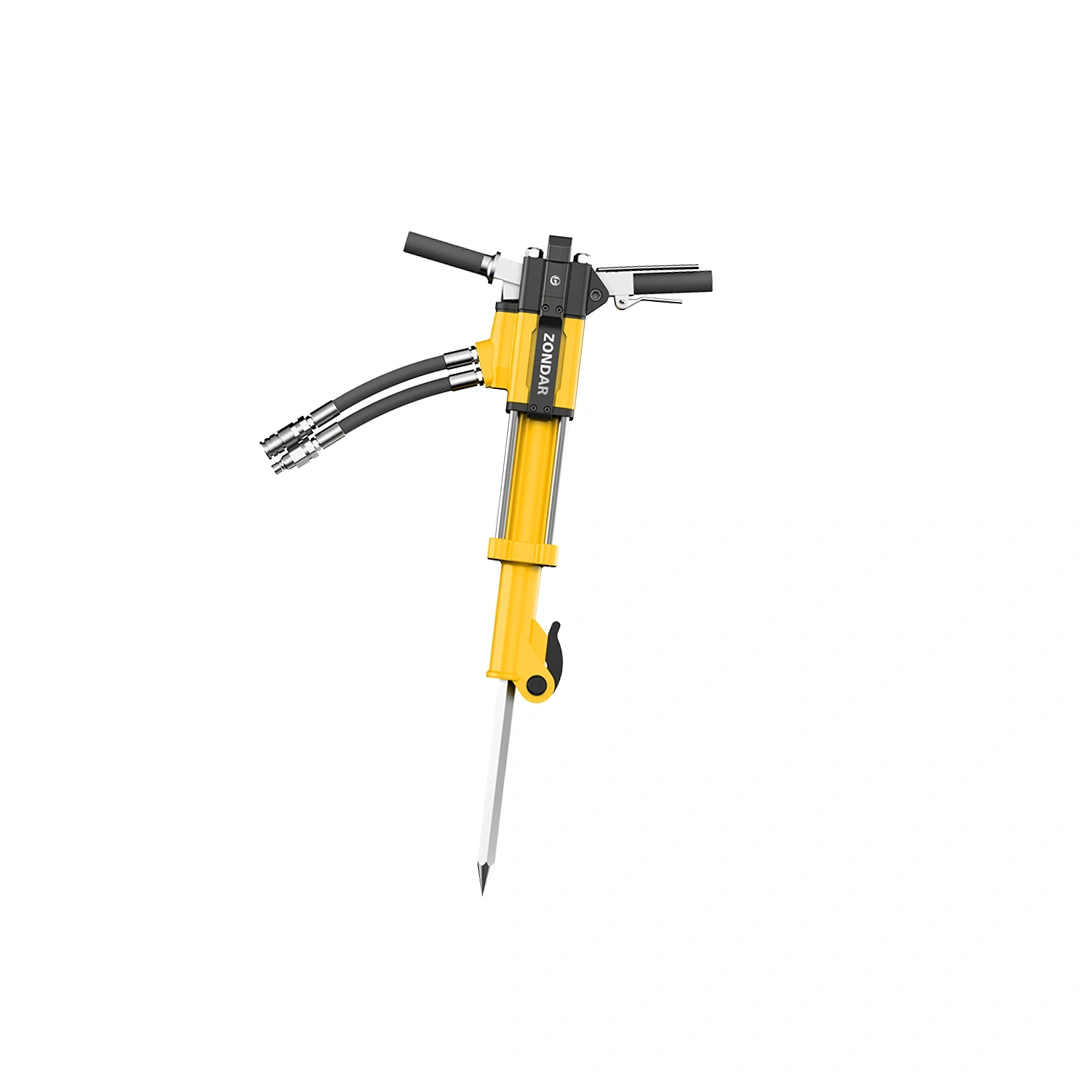
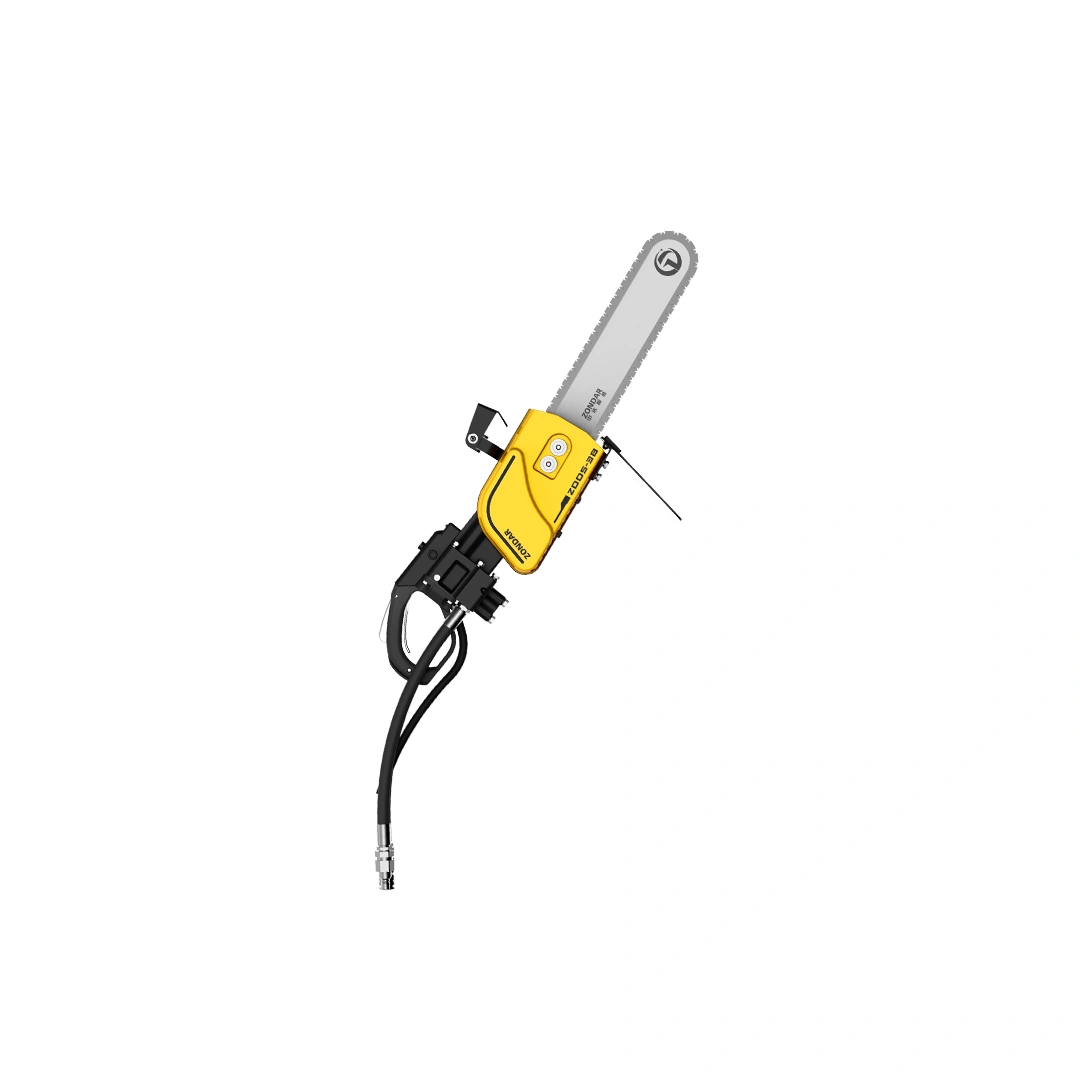
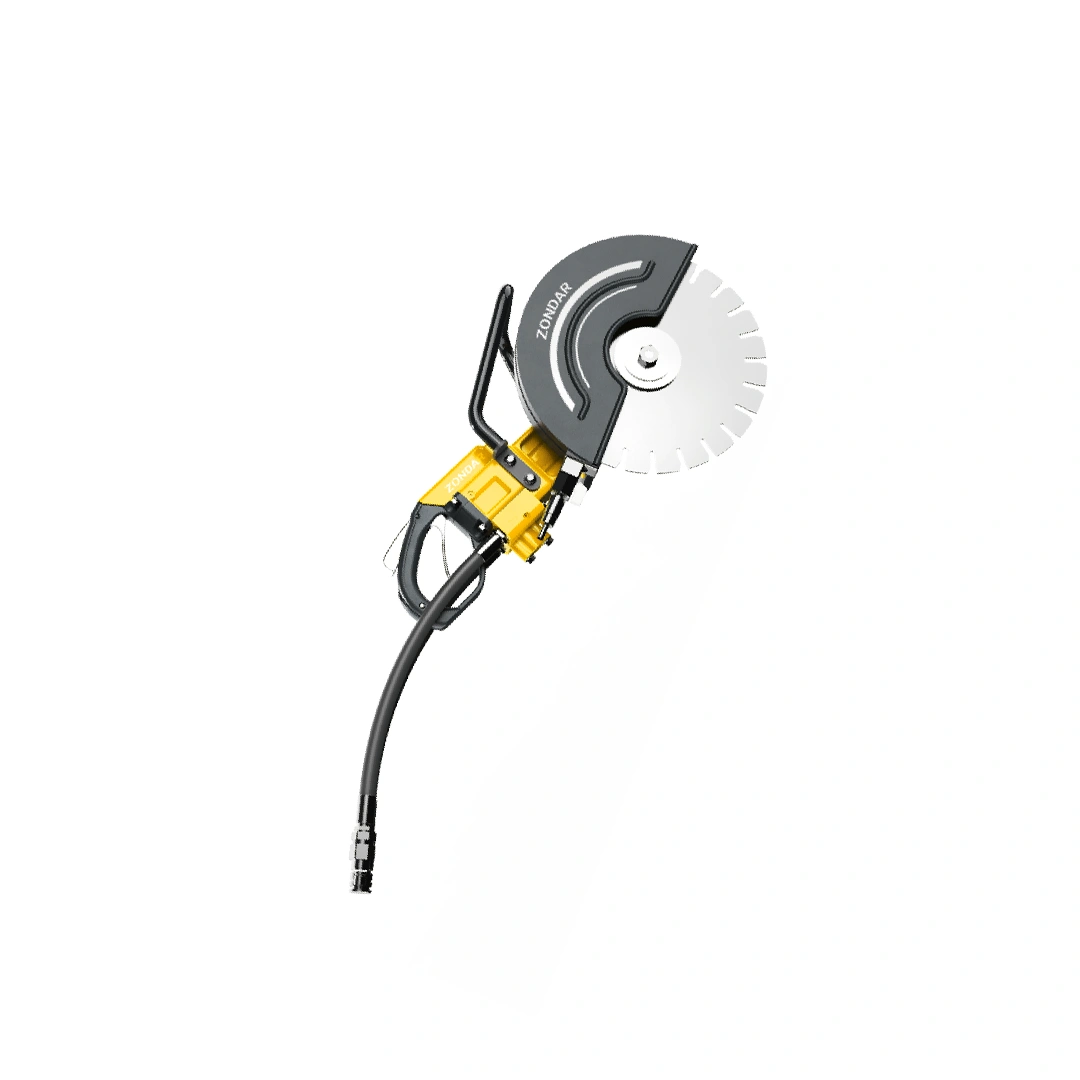
This versatility extends the value of your equipment investment. A robust hydraulic system isn't just for splitting; it's a platform for a suite of hydraulic breakers & drills, making your equipment fleet more efficient and cost-effective.
The theory is compelling, but it's in practical application that hydraulic rock splitters truly shine. Consider a contractor tasked with enlarging a basement in a century-old home in a dense city neighborhood. Using a jackhammer would risk cracking the existing foundation and adjacent properties, not to mention the neighbor complaints. Blasting is out of the question. A hydraulic rock splitter, however, can quietly and precisely fracture the bedrock along the new basement line, allowing for clean removal with zero collateral damage.
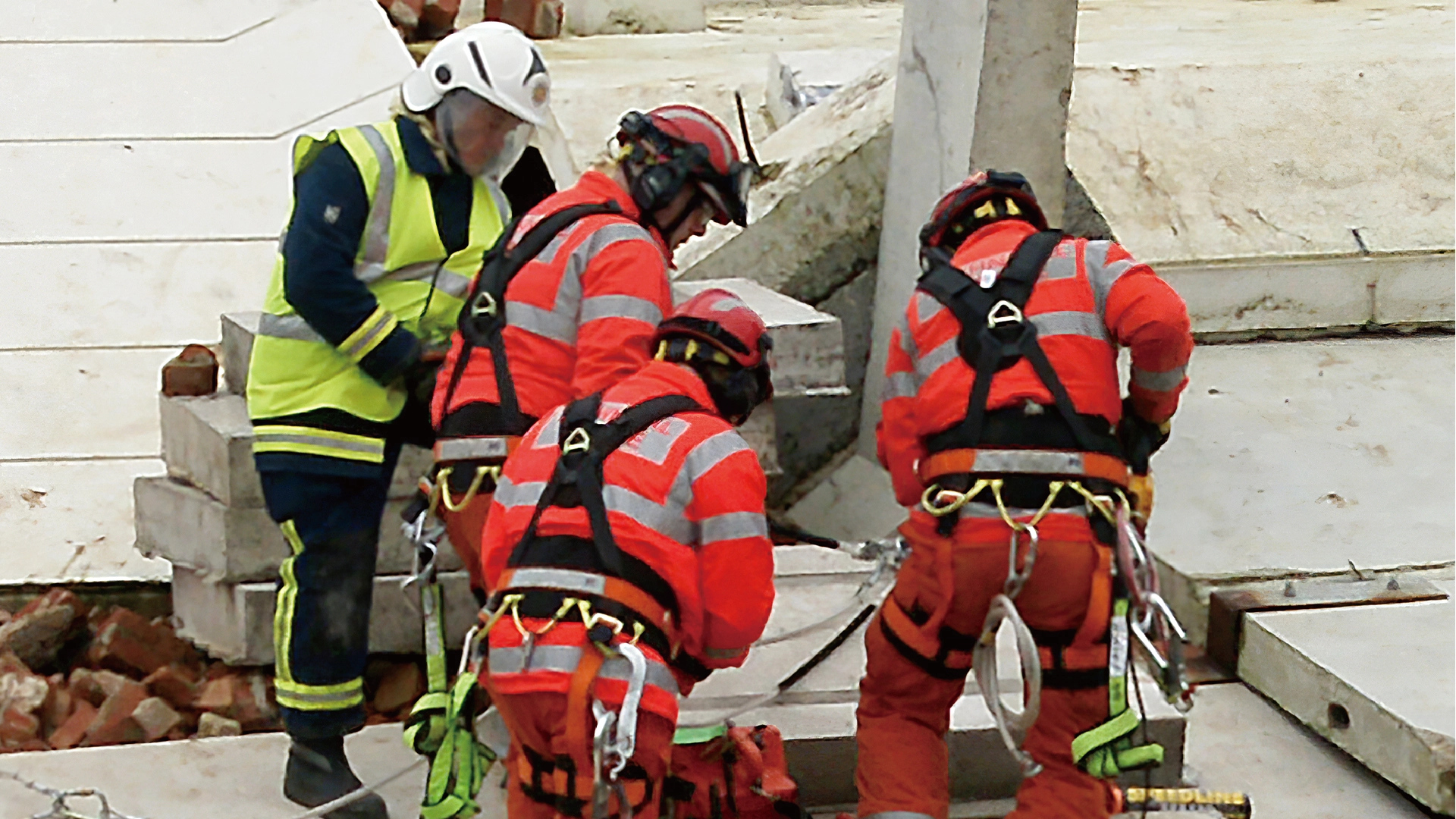
In quarrying, precision splitting increases yield. Instead of shattering valuable granite or marble blocks with explosives, quarries use splitters to extract large, uniform blocks with straight edges, maximizing the usable material and profit. For emergency and rescue services, tools like a rescue hydraulic door breaker operate on similar principles, using focused hydraulic force to breach structures without causing uncontrolled collapse—a critical feature when lives are at stake.
Underwater, the advantages are even more pronounced. Specialized underwater hydraulic rock splitting systems allow for the removal of obstructive bedrock for pipeline laying, dock construction, or channel deepening without the ecological devastation of dredging or the danger of underwater blasting. The controlled fracture minimizes silt disturbance and protects marine life.
Understanding the "why" leads naturally to the "how." If you're convinced that precision is the future, choosing the right equipment is your next step. Not all hydraulic rock splitters are created equal. Here’s what to consider from a trusted hydraulic splitter factory or supplier:
While the initial investment in a quality hydraulic rock drill and splitter system may be higher than a pile of dynamite or a few jackhammers, the Total Cost of Ownership (TCO) tells a different story. Factor in the savings from reduced permit delays, lower insurance premiums due to enhanced safety, less material waste, higher productivity (work can continue nearby), and the avoidance of costly damage claims. The return on investment becomes clear and compelling.
The construction and demolition industry is evolving. The era of "brute force and ignorance" is giving way to an era of intelligence, control, and responsibility. The hydraulic rock splitter is at the forefront of this change. It addresses the core pain points of inefficiency, danger, and environmental impact head-on, replacing them with a solution that is safer, quieter, cleaner, and ultimately more productive and profitable.
Whether you're a demolition contractor, a quarry manager, a civil engineer, or involved in specialized rescue operations, the question is no longer whether you can afford to switch to hydraulic splitting technology, but whether you can afford not to. In a world where precision, safety, and environmental stewardship are paramount, the hydraulic rock splitter doesn't just win sometimes—it wins every time. By investing in this technology, you're not just buying a tool; you're investing in a smarter, more sustainable, and more successful way to work.