What Is a Hydraulic Stone Rock Concrete Splitter?
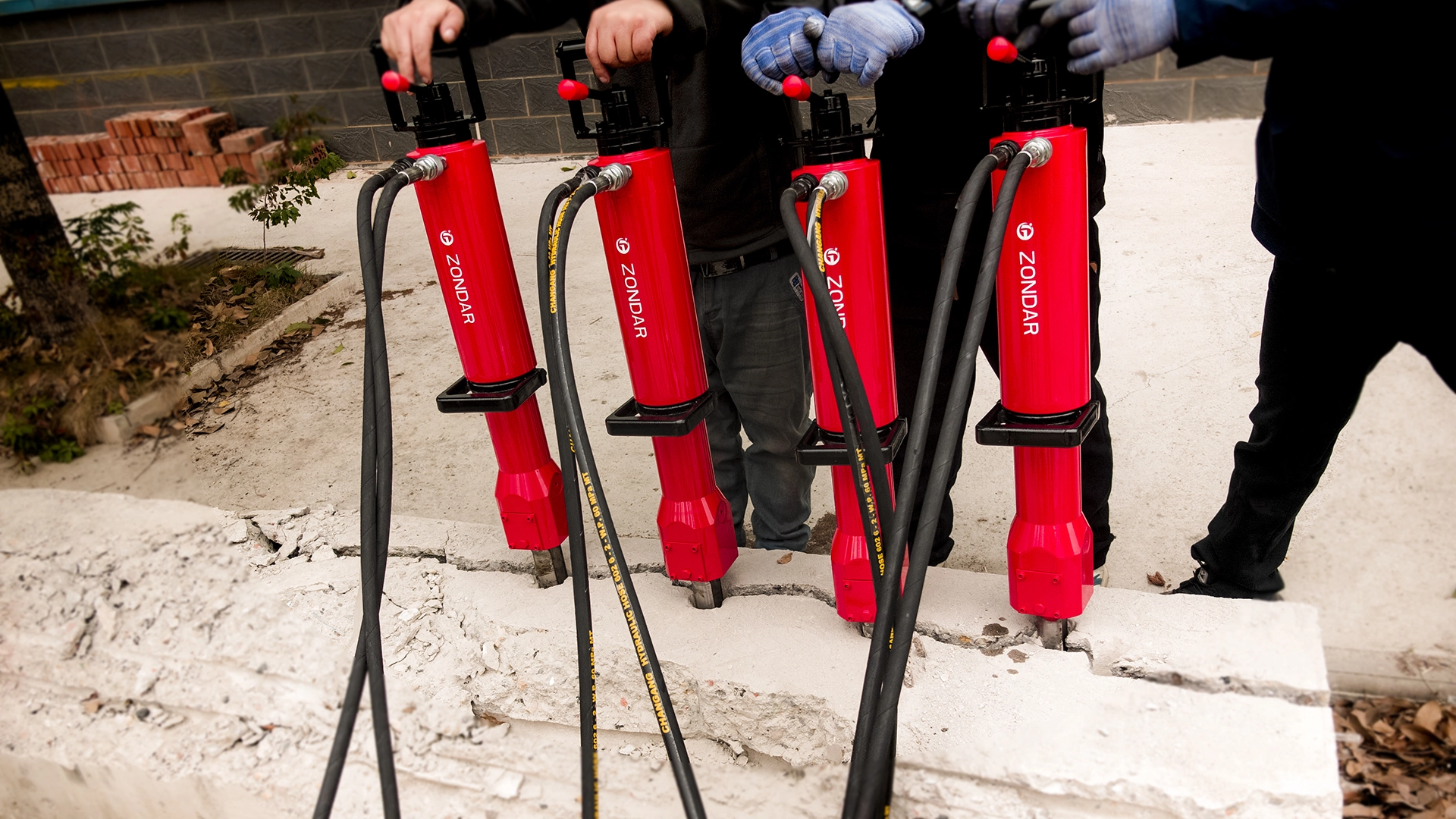
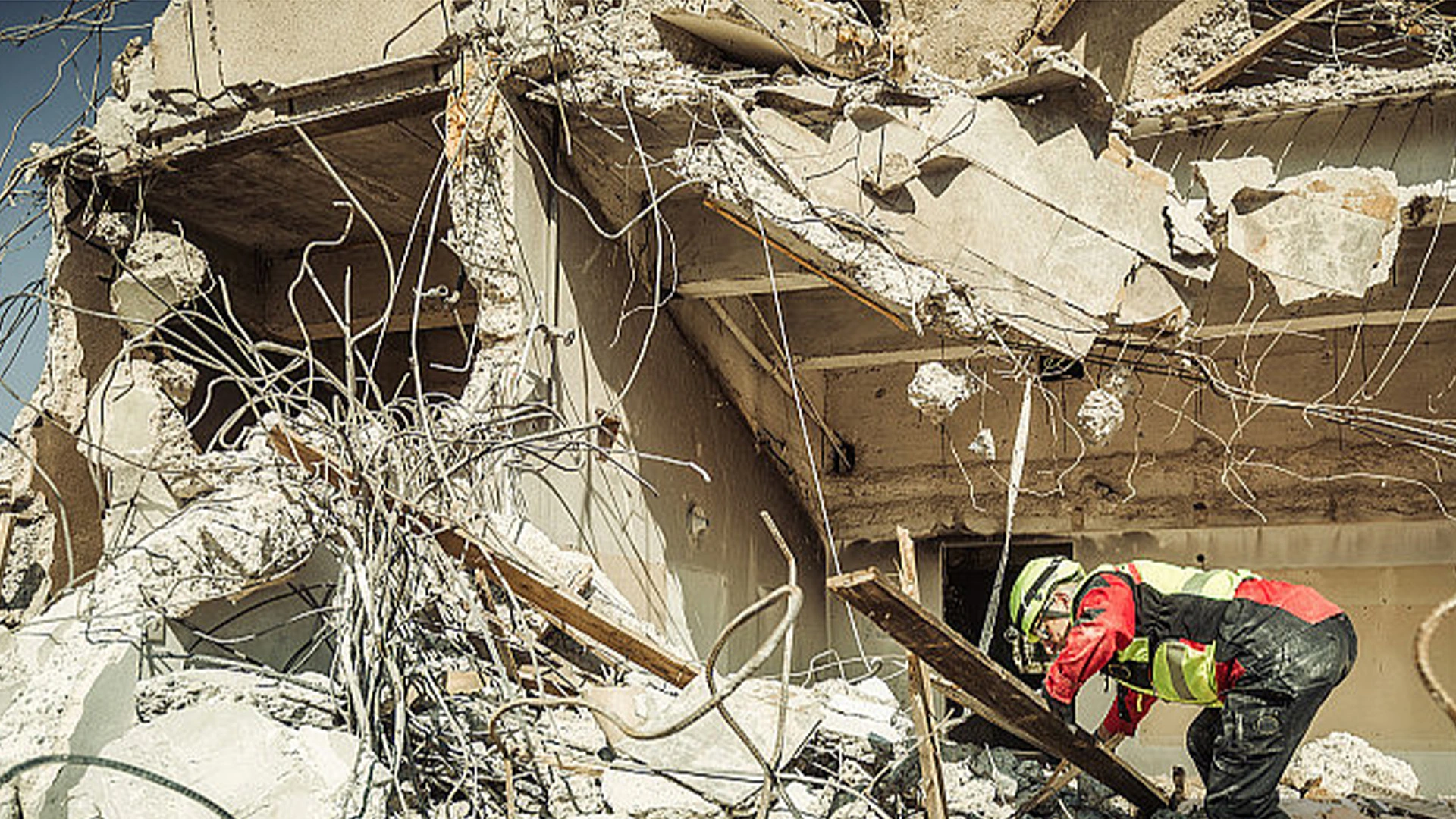
A hydraulic stone splitter is a high-powered tool designed to split large stones, rocks, or concrete using hydraulic force. Unlike traditional demolition methods, this tool offers a quiet, safe, and controlled way to break hard materials. It is widely used in construction, mining, roadwork, and building demolition.
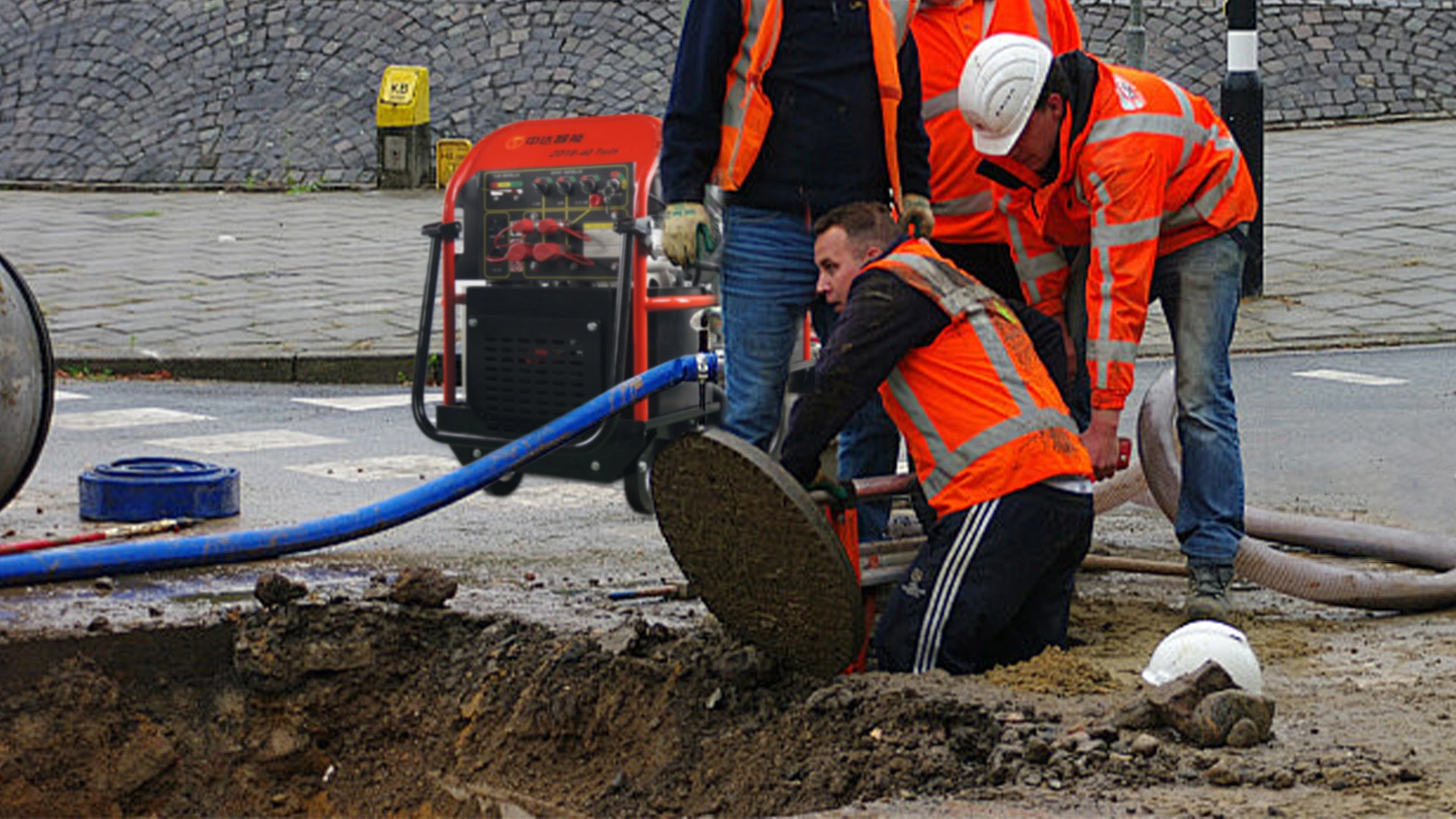
Hydraulic concrete splitter devices are ideal for urban projects due to their low noise, dust-free operation, and lack of vibrations. With hydraulic rock splitting, operators can achieve precise and efficient breaks in tough materials without using explosives or heavy mechanical breakers.
Whether for quarry stone separation or concrete wall demolition, a stone splitter hydraulic system ensures cleaner cuts and improved job safety. As a result, the hydraulic splitter for rock is a must-have for engineers and construction professionals facing tough material challenges.
Modern rock splitter hydraulic equipment is built for portability and power, making it suitable for a wide range of environments. If you are tackling a difficult demolition or excavation task, a concrete demolition hydraulic splitter can be the safest and most efficient solution.
The Specifications and Parameters
When selecting a hydraulic stone splitter, it’s crucial to understand its specifications. The right hydraulic concrete splitter will depend on the size and hardness of the material, site conditions, and project goals.
Typical specifications:
| Splitter length: | 1280mm |
| Required drill hole diameter: | 45 – 48 mm |
| Min. Drilling Depth: | 610 mm |
| Splitting force: | 360 tons |
| Crack Width: | 19 – 60 mm |
| Wedge length: | 380 mm |
The hydraulic rock splitting mechanism relies on a cylinder and wedge system powered by a hydraulic pump. The stone splitter hydraulic force is transmitted through metal wedges to generate clean, even cracks in the material.
Choosing a reliable hydraulic splitter for rock means checking parameters that align with your site’s needs. High-power rock splitter hydraulic systems are recommended for mining and thick reinforced concrete structures, while compact concrete demolition hydraulic splitter models are better suited for confined urban spaces.
Installation and Operation
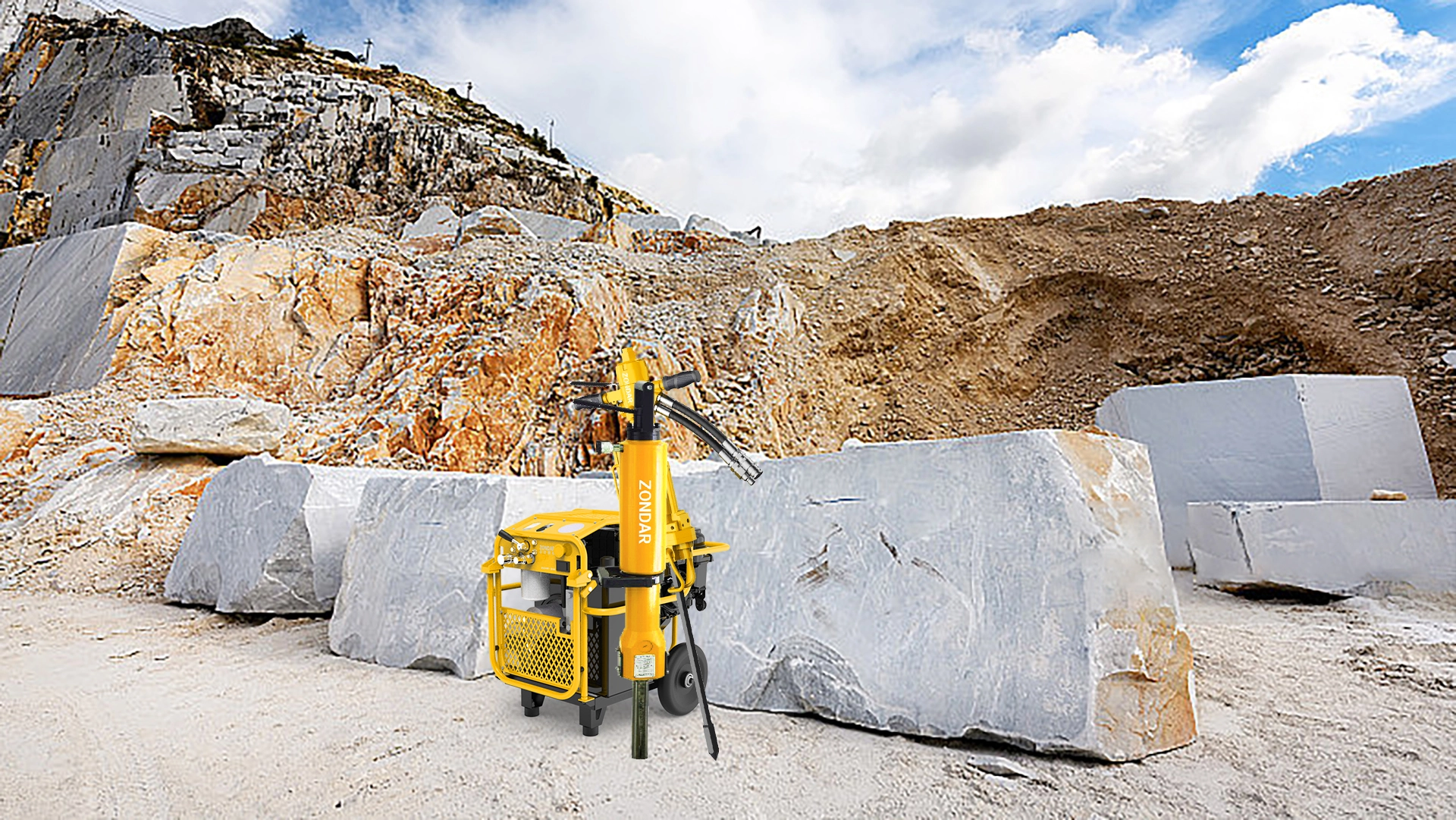
Installing and operating a hydraulic stone splitter is relatively straightforward, making it a user-friendly choice for various job sites. To use a hydraulic concrete splitter, you need to drill holes into the material, insert the wedge block of the splitter, and apply hydraulic pressure.
Hydraulic rock splitting follows these basic steps:
- Drill holes (depth and diameter depend on splitter specs).
- Insert the stone splitter hydraulic wedge.
- Activate the hydraulic pump.
- Wait for the crack to form and expand.
Using tips: Proper operation of a hydraulic splitter for rock ensures optimal splitting performance and prevents damage to the tool or the worksite. Training workers in handling rock splitter hydraulic equipment increases safety and efficiency.
A concrete demolition hydraulic splitter requires minimal maintenance and is ideal for repetitive use in challenging environments.
Control System
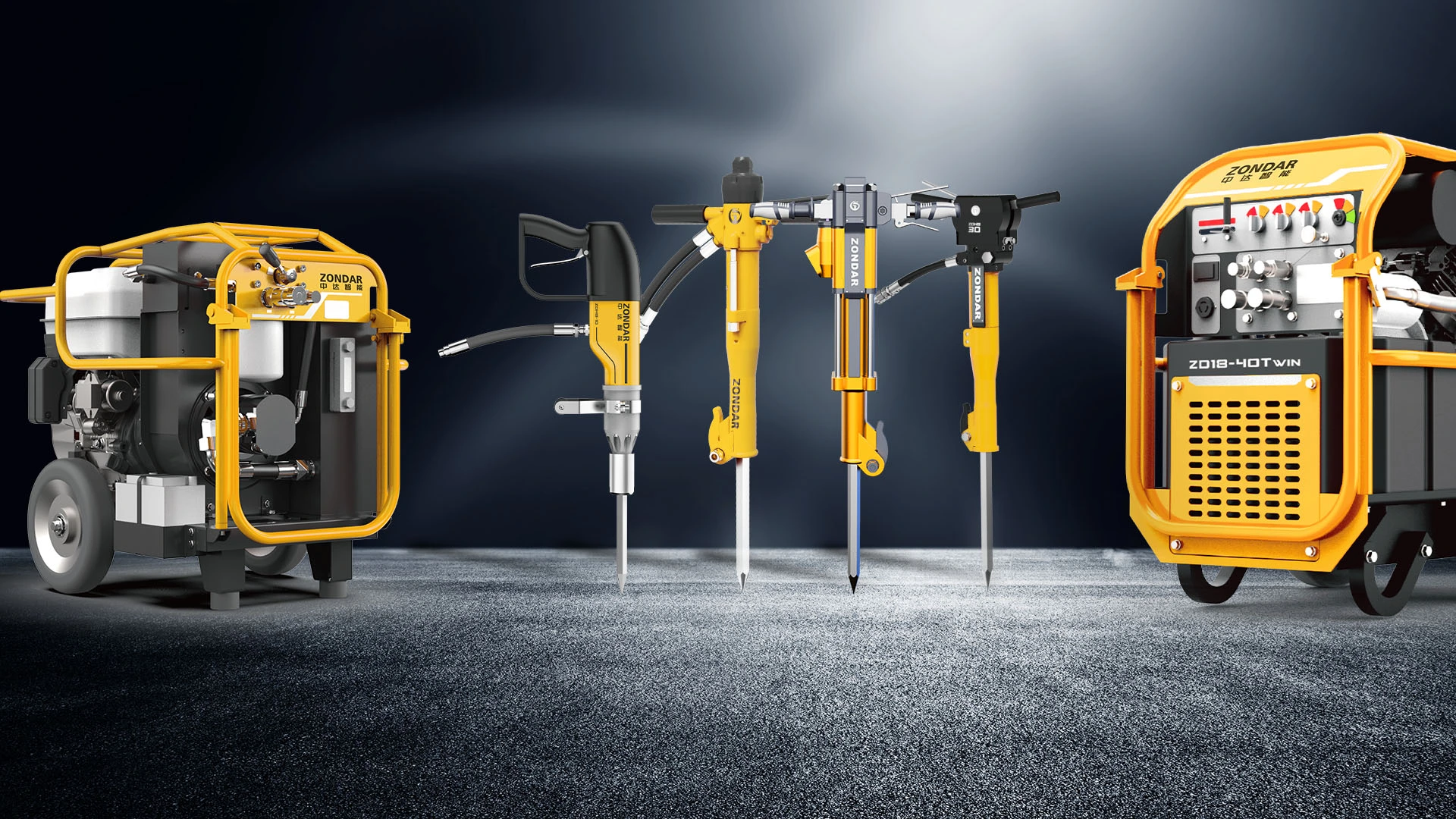
As a professional manufacturer, we equip each hydraulic stone splitter with a robust and easy-to-use control system. Our hydraulic concrete splitter units offer manual-type operation, allowing for rapid direction changes during the splitting process, making them highly adaptable to varying on-site conditions.
Our hydraulic power units—available in diesel, electric, or gasoline—are compatible with our full range of hydraulic splitter for rock products. These reliable systems ensure smooth operation, even under extreme job site conditions.
Mechanical Design & Splitting Efficiency
Hydraulic rock splitting is known for its high efficiency. Unlike percussive or explosive methods, the stone splitter hydraulic creates clean splits with less material waste. The pressure applied by the hydraulic splitter for rock is evenly distributed, minimizing the chance of irregular cracks.
The internal structure of a hydraulic stone splitter includes a hydraulic cylinder, central wedge, and counter wedges. This design allows the hydraulic concrete splitter to apply maximum force in a targeted direction.
ZONDAR hydraulic rock splitting tools feature optimized geometry to deliver high efficiency with minimal energy loss. The wedge-driven design of our stone splitter hydraulic allows for uniform force distribution, resulting in clean, accurate breaks.
High-grade steel and precision machining enhance the reliability of rock splitter hydraulic tools. Due to their efficiency, concrete demolition hydraulic splitter models are becoming a standard in modern demolition jobs.
Energy Efficiency vs. Traditional Tools
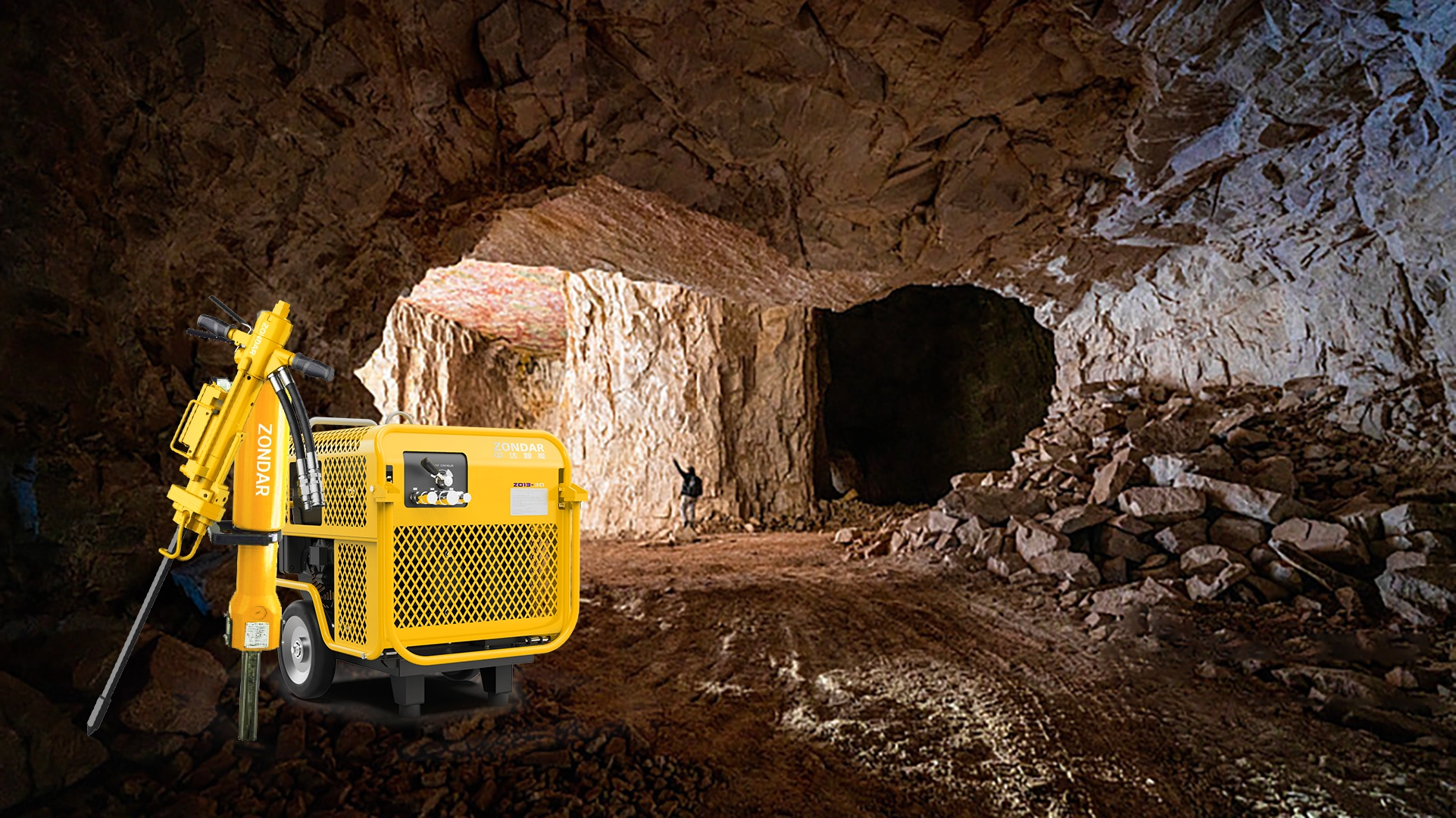
From a manufacturer’s perspective, one of the biggest advantages of our hydraulic stone splitter lineup is its energy efficiency. Unlike jackhammers and explosive demolition methods, our hydraulic concrete splitter systems operate with low power consumption and zero emissions.
Hydraulic rock splitting significantly lowers the carbon footprint of a demolition project. Our stone splitter hydraulic produces minimal noise, dust, and vibration—making it suitable for environmentally sensitive or residential areas.
Our hydraulic splitter for rock achieves high output while using a compact power unit, ensuring minimal fuel or electricity use. The energy-to-output ratio of our rock splitter hydraulic is optimized to offer better performance at lower operational costs.
Contractors using our concrete demolition hydraulic splitter benefit from lower maintenance costs, improved worker safety, and compliance with green construction standards.
Warranty and Certifications
As a trusted manufacturer, we offer a standard 1-year warranty on all hydraulic stone splitter products. Our hydraulic concrete splitter machines undergo strict quality control procedures before leaving our factory.
Each hydraulic rock splitting unit we sell is complies with ISO 9001 quality standards. Customers can use our stone splitter hydraulic products with full confidence in their durability and reliability.
We back every hydraulic splitter for rock with comprehensive documentation, including test reports, usage manuals, and certification copies. Our rock splitter hydraulic models meet international safety requirements, ensuring full legal and commercial compliance.
The concrete demolition hydraulic splitter warranty covers parts and service, and our after-sales support team is always ready to assist with technical inquiries.
Buying Tips and Considerations
When purchasing a hydraulic stone splitter from us, consider the specific needs of your application. We offer customized hydraulic concrete splitter solutions based on job site conditions, material type, and productivity goals.
Our engineering team can help select the best hydraulic rock splitting model for your requirements—whether for deep rock excavation or surface concrete demolition. The right stone splitter hydraulic will ensure optimal results and long service life.
We recommend assessing wedge size, splitting force, and hydraulic power compatibility before selecting a hydraulic splitter for rock. Our sales consultants are trained to guide clients through this process.
With our rock splitter hydraulic, customers gain access to expert technical support, spare parts, and training resources. We aim to make the buying experience smooth and successful.
Choosing a manufacturer-backed concrete demolition hydraulic splitter ensures you get a certified, efficient, and reliable tool that supports your business growth.
Conclusion
A hydraulic stone splitter is a powerful, efficient, and environmentally responsible tool for splitting rock, stone, and concrete. Whether you’re managing an urban demolition or a quarry extraction, the right hydraulic concrete splitter can transform your workflow. With the advancement of hydraulic rock splitting technology, it’s now easier than ever to get the job done cleanly and safely. Explore the best stone splitter hydraulic solutions and find a hydraulic splitter for rock that meets your exact needs. Invest in a certified rock splitter hydraulic and upgrade your operation with a dependable concrete demolition hydraulic splitter today.