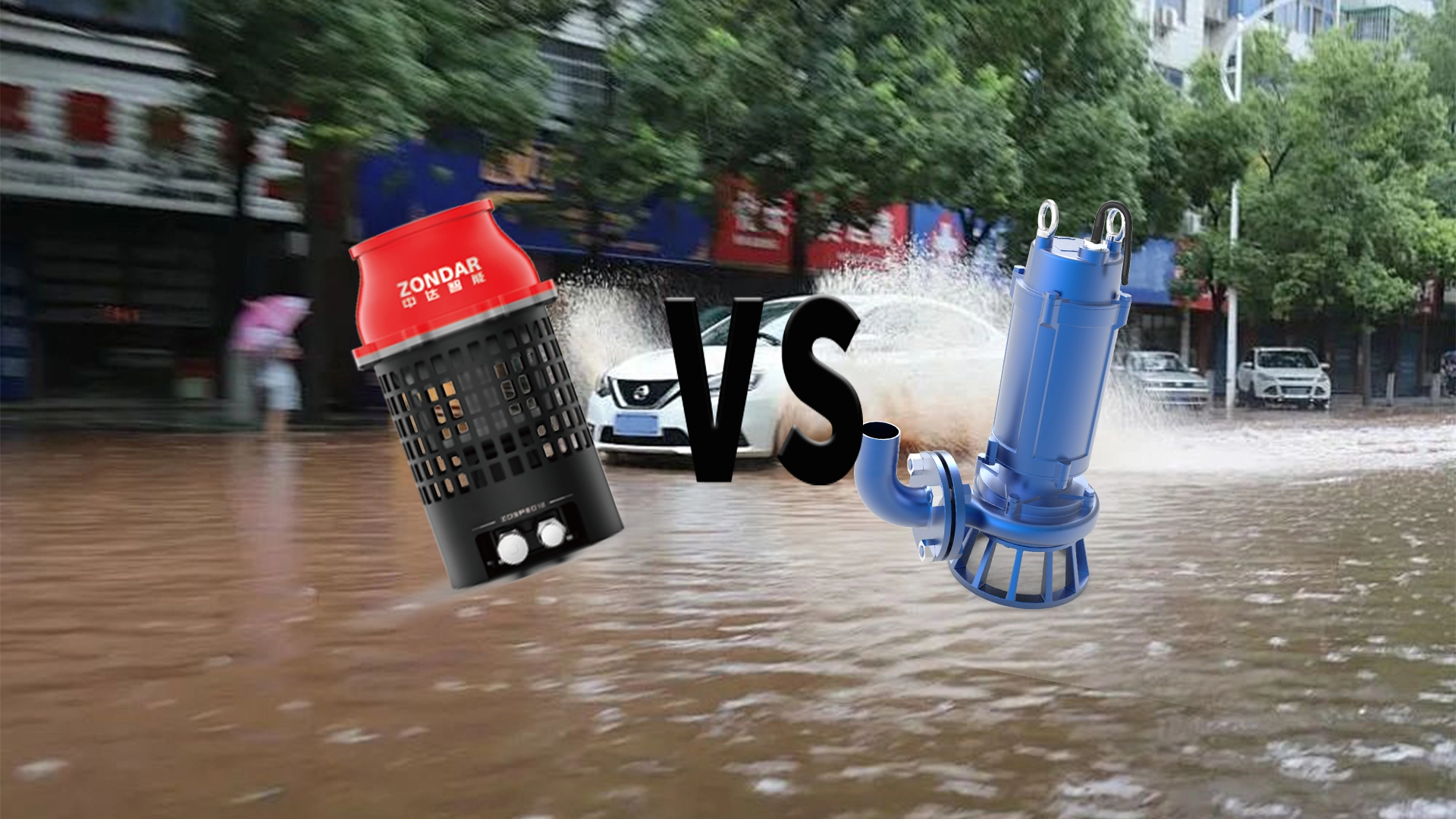
Urban flooding has become a serious challenge for cities around the world. Rapid urbanization, climate change, and increasingly frequent extreme weather events have made flood control a top priority for many municipal governments.
When heavy rainfall overwhelms drainage systems, water can quickly accumulate in streets, tunnels, subway stations, underground parking garages, and construction sites. In such situations, rapid and efficient drainage is critical to prevent damage to infrastructure and ensure public safety.
Traditional drainage equipment such as portable water pumps can help remove water, but they often require significant manpower and may struggle in difficult environments.
To address these challenges, engineers have developed a new type of equipment known as the hydraulic drainage robot.
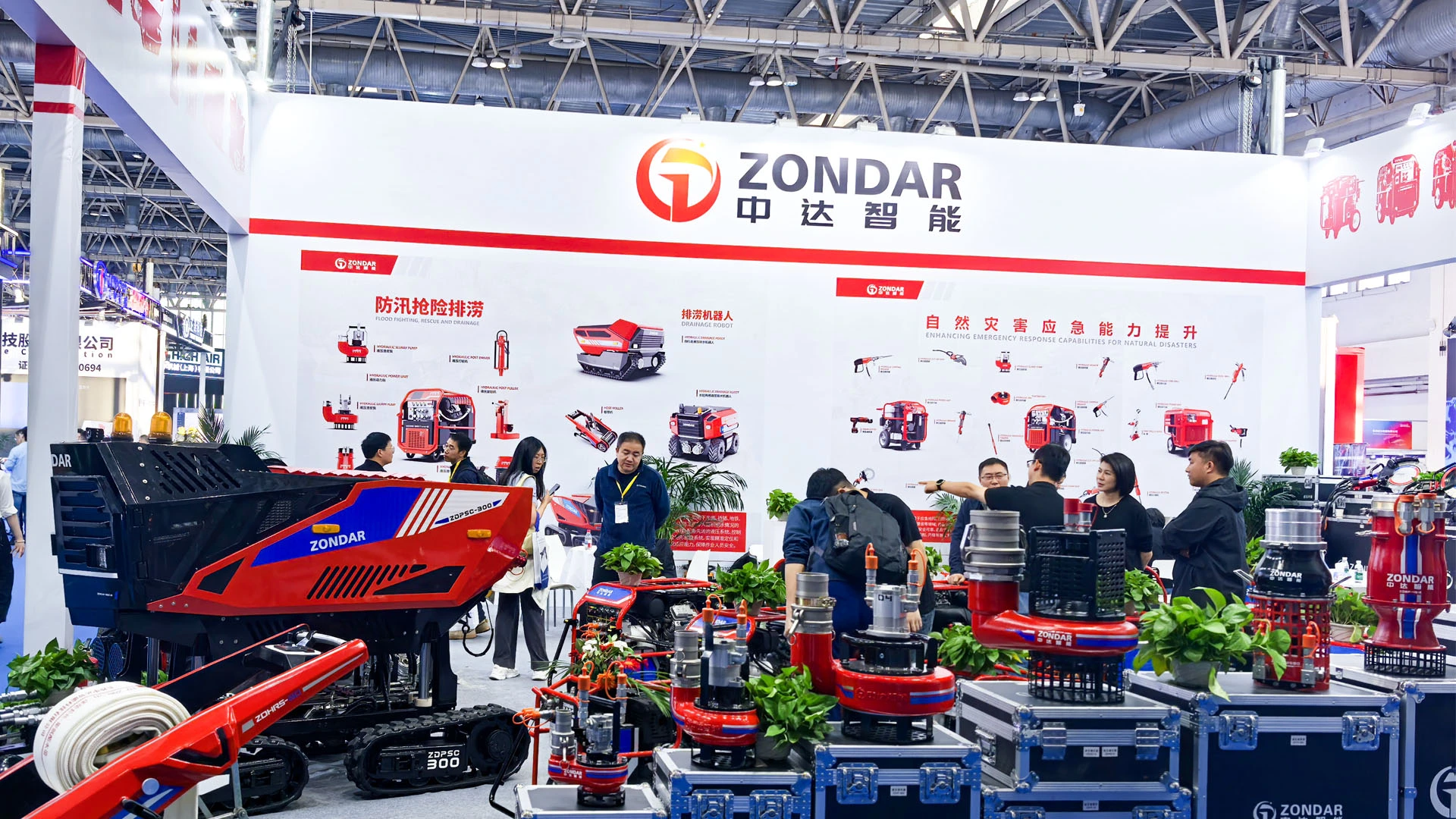
ZONDAR hydraulic drainage robots combine powerful pumping capability with remote operation and strong mobility, allowing them to operate directly in flooded areas while keeping operators at a safe distance.
As cities invest more resources into disaster prevention and emergency response systems, hydraulic drainage robots are becoming an increasingly important part of modern flood control strategies.
What Is a Hydraulic Drainage Robot?
ZONDAR hydraulic drainage robot is a specialized machine designed to remove large volumes of water from flooded environments.
Unlike traditional pumps that must be manually positioned and operated, drainage robots are self-propelled machines equipped with hydraulic pumps and remote smart control systems.
These machines can move through water, mud, and debris while continuously pumping water out of the flooded area.
Most hydraulic drainage robots include several key components:
- High-capacity hydraulic pump
- Hydraulic power system
- Remote control unit
- Mobility system (tracks or wheels)
- Monitoring cameras and lighting systems
These components work together to create a powerful and flexible drainage solution capable of operating in complex environments.
How Does a Hydraulic Drainage Robot Work?
The core principle behind a hydraulic drainage robot is the use of hydraulic power source to drive both the pump and the robot’s mobility system.
The robot contains a portable hydraulic power unit, which provides the hydraulic pressure needed to operate the system.
Hydraulic fluid flows through hoses from the hydraulic power engine to the robot, powering the pump and drive motors.
Operators control the robot remotely using a wireless or wired control system.
This allows the machine to enter flooded areas that may be dangerous or inaccessible to humans.
Once positioned, the robot’s pump begins removing water from the area and discharging it to a safe location.
Because hydraulic systems can generate extremely high power output, drainage robots can pump large volumes of water continuously for long periods.
Key Advantages of Hydraulic Drainage Robots
1. Improved Operator Safety
One of the biggest advantages of hydraulic drainage robots is that they allow operators to remain at a safe distance from hazardous environments.
Flooded areas may contain hidden obstacles, contaminated water, or unstable ground conditions.
By using remote control technology, drainage robots can perform operations in these areas without exposing workers to unnecessary risks.
2. High Pumping Capacity
Hydraulic pumps are capable of delivering extremely high pumping capacity compared with many portable electric pumps.
This makes drainage robots particularly effective in situations where large volumes of water must be removed quickly, such as after heavy storms or during emergency flood response.
High-capacity drainage systems can significantly reduce the time required to clear flooded infrastructure.
3. Strong Mobility in Difficult Terrain
Flooded environments often contain debris, mud, and uneven surfaces that can make it difficult for traditional equipment to operate.
ZONDAR hydraulic drainage robots are typically equipped with heavy-duty tracks or wheels, allowing them to move through difficult terrain.
This mobility enables them to reach locations that may be inaccessible to standard pumps.
4. Efficient Emergency Response
Speed is critical during emergency flood response operations.
ZONDAR drainage robots can be deployed quickly and begin pumping water almost immediately after arriving at the scene.
When combined with portable hydraulic power units and high-capacity hoses, these systems allow emergency teams to establish efficient drainage operations within a short period of time.
Applications of Hydraulic Drainage Robots
Hydraulic drainage robots are widely used in many types of flood control and drainage operations.
Urban Flood Control
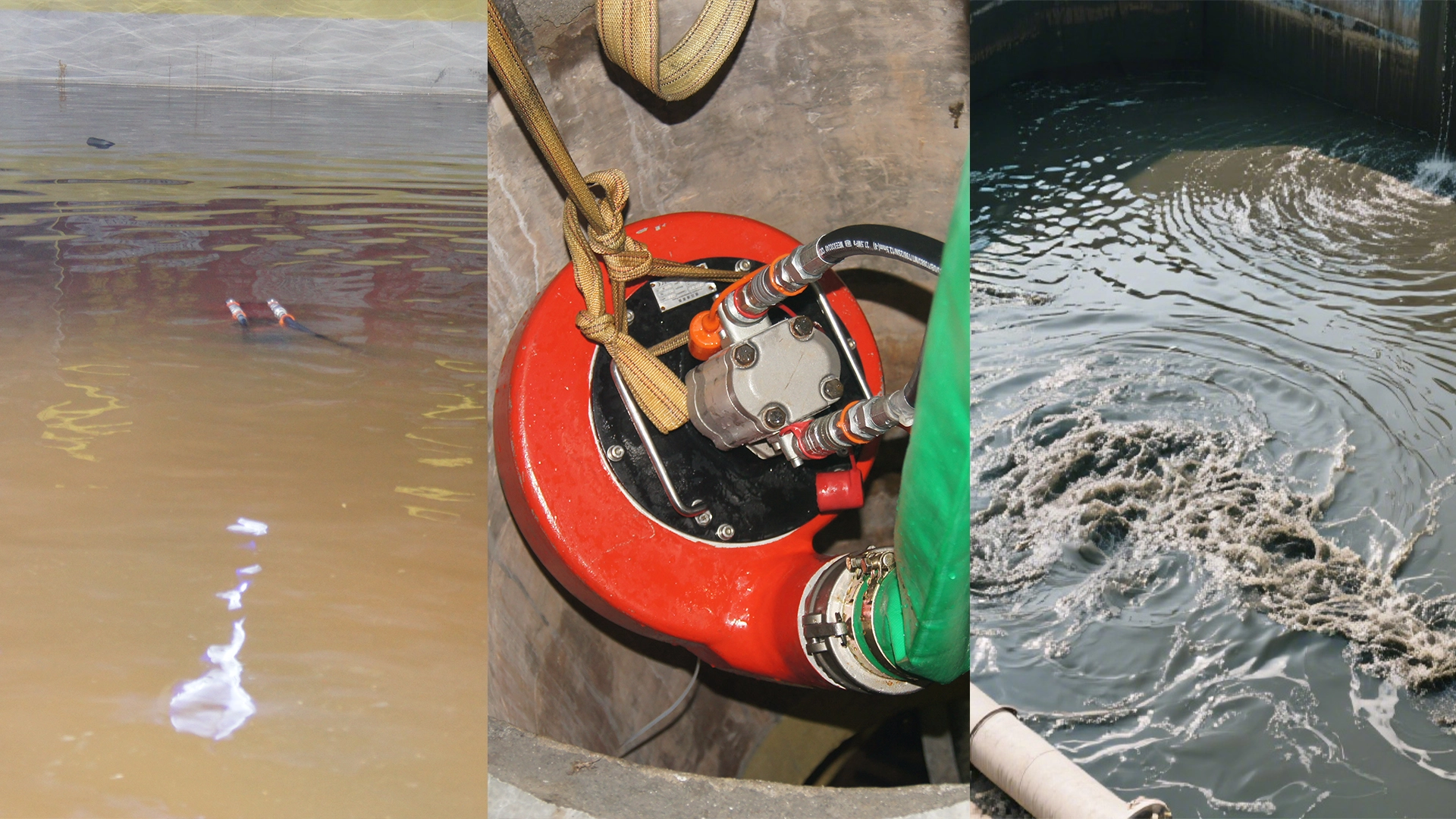
Cities often use drainage robots to remove water from streets, tunnels, and underpasses during severe rainfall events.
These machines help municipal teams restore traffic and prevent infrastructure damage.
Underground Facilities
Underground parking garages, subway stations, and basements are particularly vulnerable to flooding.
Drainage robots can enter these confined spaces and pump water out efficiently.
Construction Sites
Construction sites frequently experience water accumulation due to rain or groundwater.
Drainage robots provide an efficient solution for removing water from deep excavation areas.
Emergency Rescue Operations
During disasters such as storms or typhoons, rescue teams must quickly clear flooded areas to allow access for emergency vehicles.
Drainage robots can help accelerate this process.
The Future of Smart Flood Control Equipment
As urban populations continue to grow, cities are investing more resources into modern flood management technologies.
Smart equipment such as hydraulic drainage robots represents an important step toward more efficient and safer emergency response systems.
Many manufacturers are integrating advanced technologies such as:
- Remote monitoring systems
- Intelligent control platforms
- Real-time data transmission
- High-efficiency hydraulic pump systems
Hydraulic equipments manufacturer such as Changsha ZONDAR are actively developing next-generation hydraulic drainage robots designed for municipal flood control and emergency rescue applications.
These innovations are helping cities improve their resilience against extreme weather events.
Conclusion
Hydraulic drainage robots represent a major advancement in flood control and emergency drainage technology.
By combining powerful hydraulic pumping systems with remote operation and strong mobility, these machines provide an efficient and safe solution for managing large-scale flooding.
As cities continue to face increasing flood risks, hydraulic drainage robots are likely to become a standard piece of equipment for municipal emergency response teams.
With their ability to operate in challenging environments and remove large volumes of water quickly, these machines are playing an increasingly important role in modern disaster management.
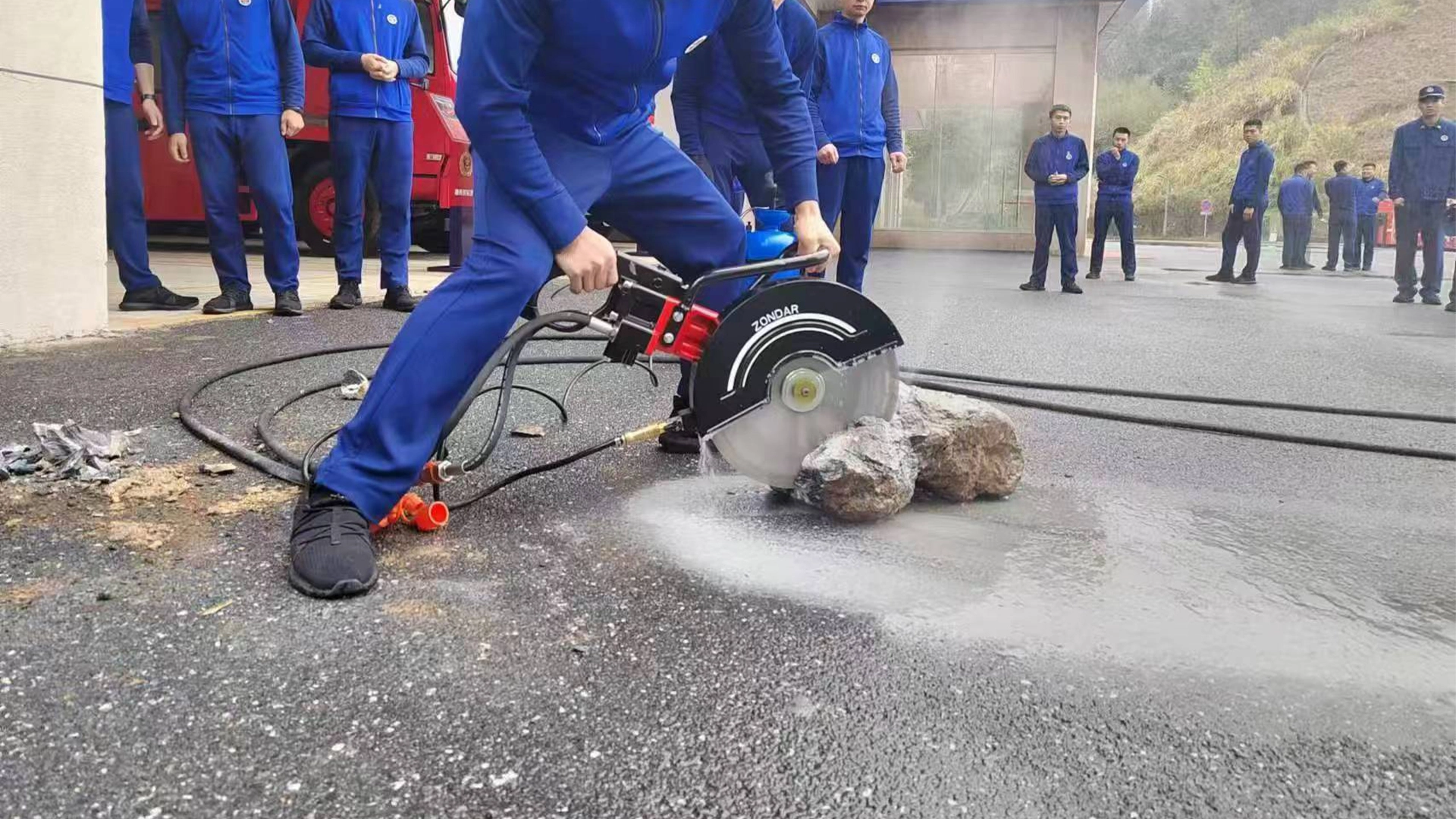
Changsha ZONDAR provides advanced hydraulic power units, drainage pumps, rescue tools, and intelligent drainage robots for global infrastructure and emergency response applications.
Contact us to learn more about our hydraulic solutions.