Emergency rescue operations demand equipment that can perform reliably under extreme conditions. Whether dealing with floods, earthquakes, or structural collapses, rescue teams must act quickly using tools that deliver high power, safety, and flexibility.
Among the many types of equipment used in disaster response, hydraulic tools have become some of the most reliable and powerful solutions available. Compared with electric and pneumatic tools, hydraulic systems offer greater force, better durability, and safer operation in hazardous environments.
Hydraulic systems are capable of delivering extremely high force while maintaining stable performance, even in harsh environments such as flooded areas, collapsed buildings, and construction debris fields.
Today, many emergency rescue teams rely on a range of hydraulic tools powered by portable hydraulic systems to perform critical operations.
This article explores some of the most important hydraulic tools commonly used in modern emergency rescue operations.
Why Hydraulic Tools Are Essential in Rescue Operations?
Hydraulic systems use pressurized fluid to generate force, allowing them to produce extremely high power output in compact equipment.
Key advantages include:
- High force output (ideal for heavy-duty tasks)
- Stable and smooth operation
- Safe use in wet environments
- Ability to power multiple tools
These benefits make hydraulic systems especially suitable for emergency rescue and disaster response.
Top Hydraulic Tools Used in Emergency Rescue
1. Portable Hydraulic Power Unit
At the core of most hydraulic rescue systems is the portable hydraulic power unit, commonly referred to as a hydraulic power pack. This compact yet powerful machine is designed to generate hydraulic pressure and flow, supplying energy to a wide range of rescue tools.
A typical portable hydraulic power unit consists of:
- A gasoline or diesel engine
- A high-efficiency hydraulic pump
- A hydraulic oil reservoir
- Control valves and an integrated cooling system
One of the key advantages of this system is its multi-tool capability. A single power unit can simultaneously support various hydraulic tools, including:
- Hydraulic breakers
- Hydraulic water pumps
- Hydraulic cutters
- Hydraulic rock splitters
This centralized power solution allows rescue teams to operate multiple tools with greater efficiency while reducing equipment redundancy. Thanks to their compact structure and ease of transportation, portable hydraulic power units are ideal for emergency scenarios where fast deployment and operational flexibility are critical.
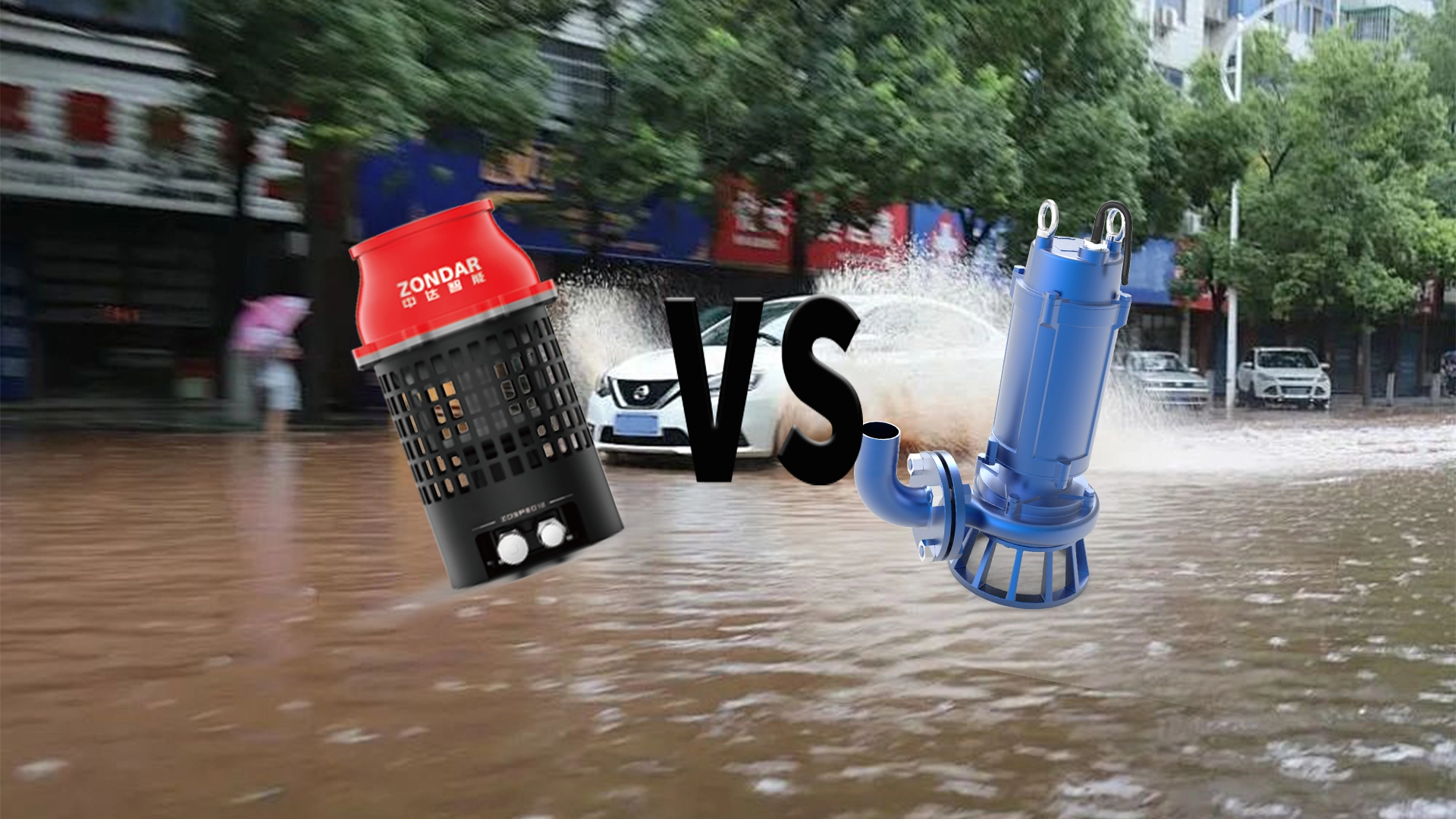
2. Hydraulic Slurry Pump or Submersible Pump
Flooding is one of the most frequent challenges encountered during emergency response operations. Water can rapidly accumulate in confined or underground spaces such as tunnels, basements, parking garages, and subway systems.
In these situations, hydraulic submersible pumps play a vital role in removing large volumes of water quickly and efficiently.
Unlike electric pumps, hydraulic pumps do not require an electrical power source at the point of operation. Instead, they are driven by a hydraulic power unit positioned at a safe distance from the flooded area.
This configuration provides several important benefits:
- Enhanced safety by eliminating electrical risks
- High-capacity water discharge performance
- Reliable operation in fully submerged conditions
Hydraulic slurry and submersible pumps are widely used by municipal emergency teams to restore access and minimize damage during flood events.
In disaster scenarios such as earthquakes, structural collapses, or severe infrastructure damage, rescue teams often need to break through reinforced concrete or other hard materials.
Hydraulic breakers are specifically designed for these demanding applications.
Compared with conventional pneumatic breakers, hydraulic breakers offer:
- Greater impact force
- Reduced vibration for improved operator comfort
- More consistent and stable performance
These features make hydraulic breakers particularly suitable for rescue environments where both efficiency and safety are essential.
They are commonly used to remove damaged structures, penetrate collapsed walls, and clear debris to access trapped individuals.
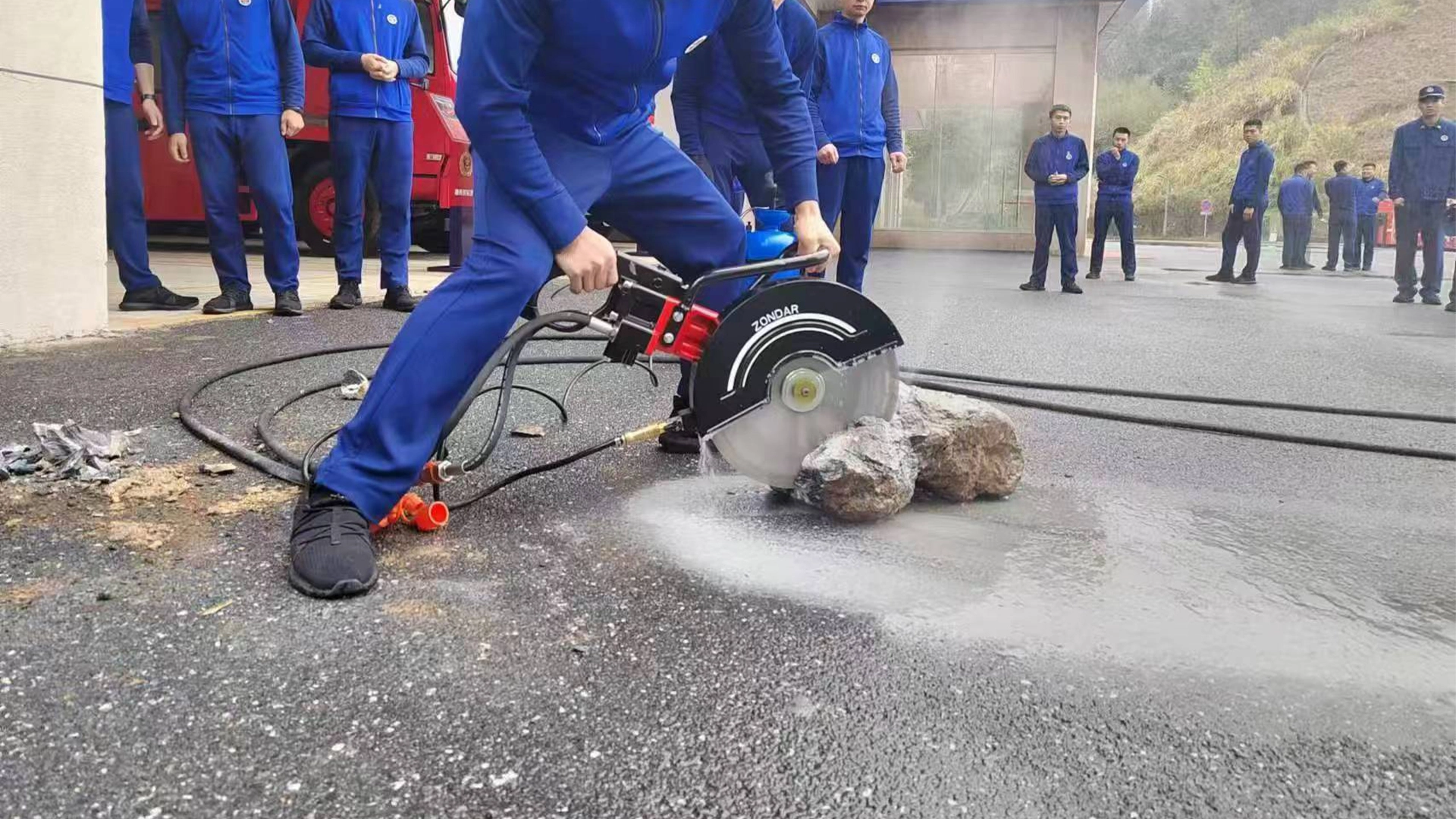
For applications requiring controlled and low-impact demolition, hydraulic rock splitters provide an effective solution.
Unlike impact-based tools, rock splitters utilize hydraulic pressure to gradually expand and fracture rock or concrete structures. This method ensures precise and predictable results.
Key advantages include:
- Minimal vibration and noise
- Lower risk of secondary structural damage
- High splitting efficiency and force
Hydraulic rock splitters are especially valuable in rescue operations where stability is critical. They are also widely applied in construction, mining, and quarrying industries.
5. Hydraulic Cutters and Spreaders
In many rescue situations, it is necessary to cut through metal structures such as vehicles, steel reinforcements, or collapsed frameworks.
Hydraulic cutters and spreaders are essential tools designed for these tasks.
Typical applications include:
- Vehicle accident rescue
- Structural collapse operations
- Industrial emergency response
Hydraulic cutters are capable of generating extremely high cutting force, enabling them to cut through reinforced steel with ease. Spreaders are used to pry open structures, creating safe access paths for rescue personnel.
Together, these tools form a critical component of modern hydraulic rescue systems.
6. Hydraulic Drainage Robots-New Trend
One of the most advanced developments in modern flood control technology is the hydraulic drainage robot.
These innovative systems integrate high-capacity hydraulic pumps with mobility platforms and remote control technology, allowing them to operate directly within flooded environments.
Drainage robots are capable of navigating through water, mud, and debris while continuously pumping water out of affected areas.
Key benefits include:
- Remote operation for enhanced operator safety
- Excellent mobility in complex and debris-filled environments
- High-efficiency pumping for rapid water removal
As urban flooding becomes more frequent, hydraulic drainage robots are increasingly adopted by municipal authorities and emergency response teams for large-scale flood management.
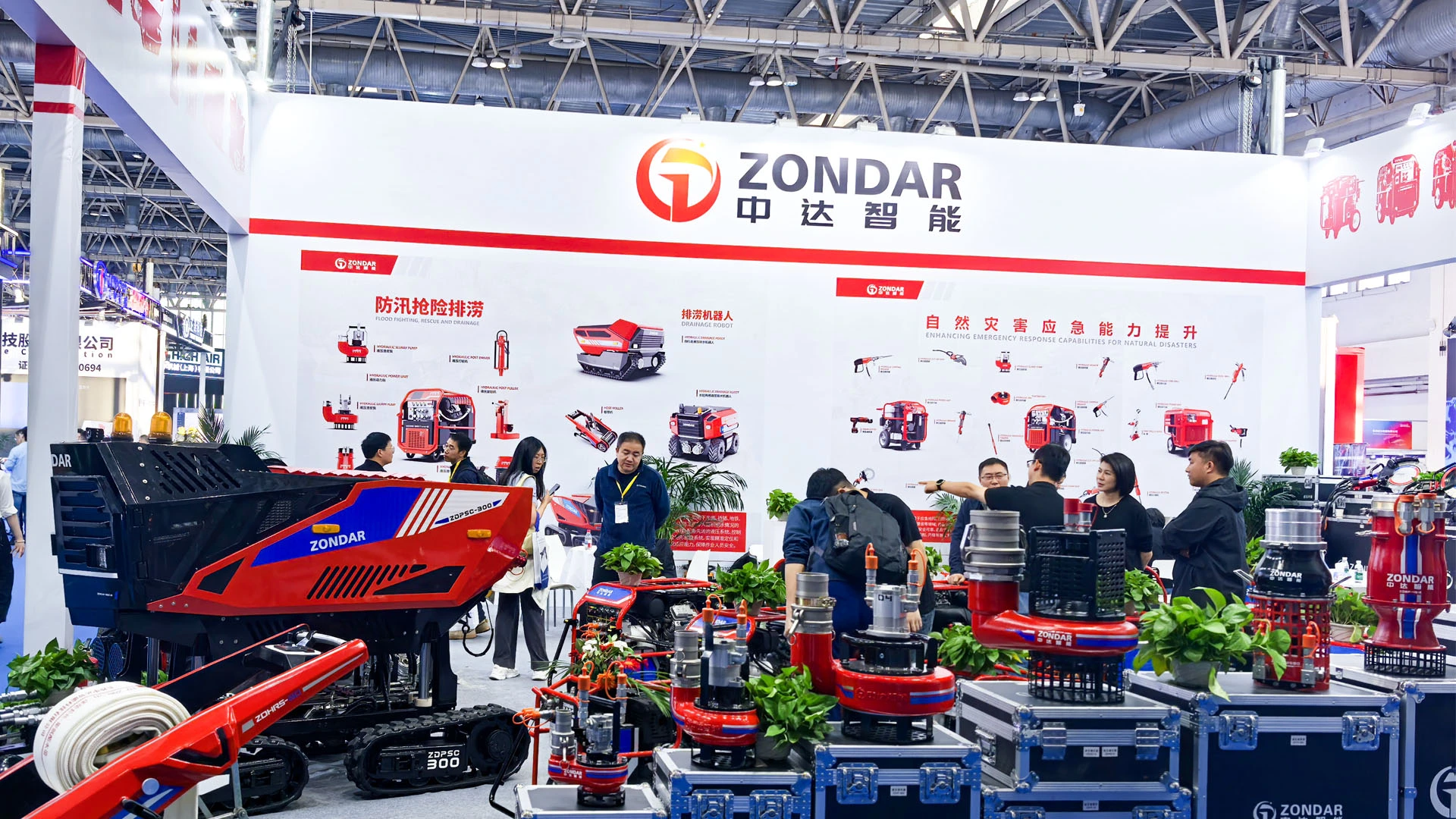
Advanced equipment manufacturers such as ZONDAR Hydraulic Technology are developing intelligent drainage robots designed to improve efficiency and safety during flood rescue operations.
The Role of Hydraulic Systems in Modern Rescue Operations
Hydraulic technology has become an essential part of modern emergency rescue equipment.
Compared with many traditional mechanical or electric tools, hydraulic systems provide several important advantages:
- High power output in compact equipment
- Reliable operation in harsh environments
- Flexibility to power multiple tools
- Improved safety in flooded or hazardous areas
These characteristics make hydraulic tools particularly valuable for disaster response teams that must operate under extreme conditions.
As rescue technology continues to evolve, hydraulic systems are expected to play an even larger role in improving emergency response capabilities worldwide.
Conclusion
Emergency rescue operations require equipment that is powerful, reliable, and adaptable to unpredictable environments.
Hydraulic tools provide an effective solution for many of the challenges faced by rescue teams.
From portable hydraulic power units and submersible pumps to breakers, rock splitters, and drainage robots, these tools enable rescue personnel to perform critical tasks quickly and safely.
As cities continue to invest in disaster preparedness and infrastructure resilience, hydraulic rescue equipment will remain an essential component of modern emergency response systems.
Frequently Asked Questions (FAQs) About Hydraulic Rescue Tools
What are hydraulic tools used for in emergency rescue?
Hydraulic tools are used for heavy-duty rescue tasks such as cutting metal, breaking concrete, lifting debris, and pumping water. They are widely used in disaster response scenarios including floods, earthquakes, and industrial accidents.
Why are hydraulic tools stronger than electric tools?
Hydraulic tools use pressurized fluid to generate force, allowing them to deliver significantly higher power output compared with electric tools. This makes them more suitable for demanding tasks like demolition and rescue operations.
Are hydraulic tools safe to use in water?
Yes. Hydraulic tools are much safer than electric tools in wet environments because they do not rely on electricity at the tool itself. The hydraulic power unit can be placed away from the water source.
What is the difference between hydraulic and pneumatic tools?
The main difference is the power medium:
Hydraulic tools use liquid (oil) → higher force, more stable
Pneumatic tools use compressed air → lower force, less precise
Hydraulic tools are better for heavy-duty applications, while pneumatic tools are more suitable for lighter tasks.
Why don’t rescue teams rely on pneumatic tools?
Pneumatic tools have lower pressure and less force compared with hydraulic systems. They also require air compressors, which makes deployment more complex in emergency situations.
What powers hydraulic rescue tools?
Hydraulic rescue tools are powered by a portable hydraulic power unit, which generates pressure and supplies energy through hoses.
Can one hydraulic power unit run multiple tools?
Yes. One of the biggest advantages of hydraulic systems is that a single power unit can operate multiple tools such as breakers, pumps, cutters, and splitters.
Are hydraulic tools more expensive than electric tools?
Initial costs may be higher, but hydraulic tools are more durable and versatile, which often makes them more cost-effective in the long run.
What industries use hydraulic tools the most?
Hydraulic tools are widely used in:
- Construction
- Mining
- Emergency rescue
- Municipal engineering
- Flood drainage
What is the future of hydraulic rescue equipment?
The future includes smart hydraulic systems with remote control, automation, and integration with robotics such as hydraulic drainage robots.
Hydraulic vs Electric vs Pneumatic (Quick Summary)
| Feature | Hydraulic Tools | Electric Tools | Pneumatic Tools |
| Power Output | Very High | Medium | Medium |
| Safety in Water | Excellent | Risky | Good |
| Mobility | High | Medium | Low |
| Stability | Very Stable | Stable | Less Stable |
| Setup Complexity | Medium | Low | High |
| Feature | Hydraulic Tools | Electric Tools | Pneumatic Tools |
| Power Output | ⭐⭐⭐⭐⭐ | ⭐⭐⭐ | ⭐⭐⭐ |
| Safety in Water | ⭐⭐⭐⭐⭐ | ⭐ | ⭐⭐⭐⭐ |
| Mobility | ⭐⭐⭐⭐ | ⭐⭐⭐ | ⭐⭐ |
| Stability | ⭐⭐⭐⭐⭐ | ⭐⭐⭐⭐⭐ | ⭐⭐ |
Looking for reliable hydraulic rescue equipment?
ZONDAR Hydraulic Technology provides portable hydraulic power units, hydraulic pumps, breakers, rock splitters, and intelligent drainage robots for construction, mining, and emergency rescue operations worldwide.
👉 Contact us today to get product details, technical support, and project solutions.