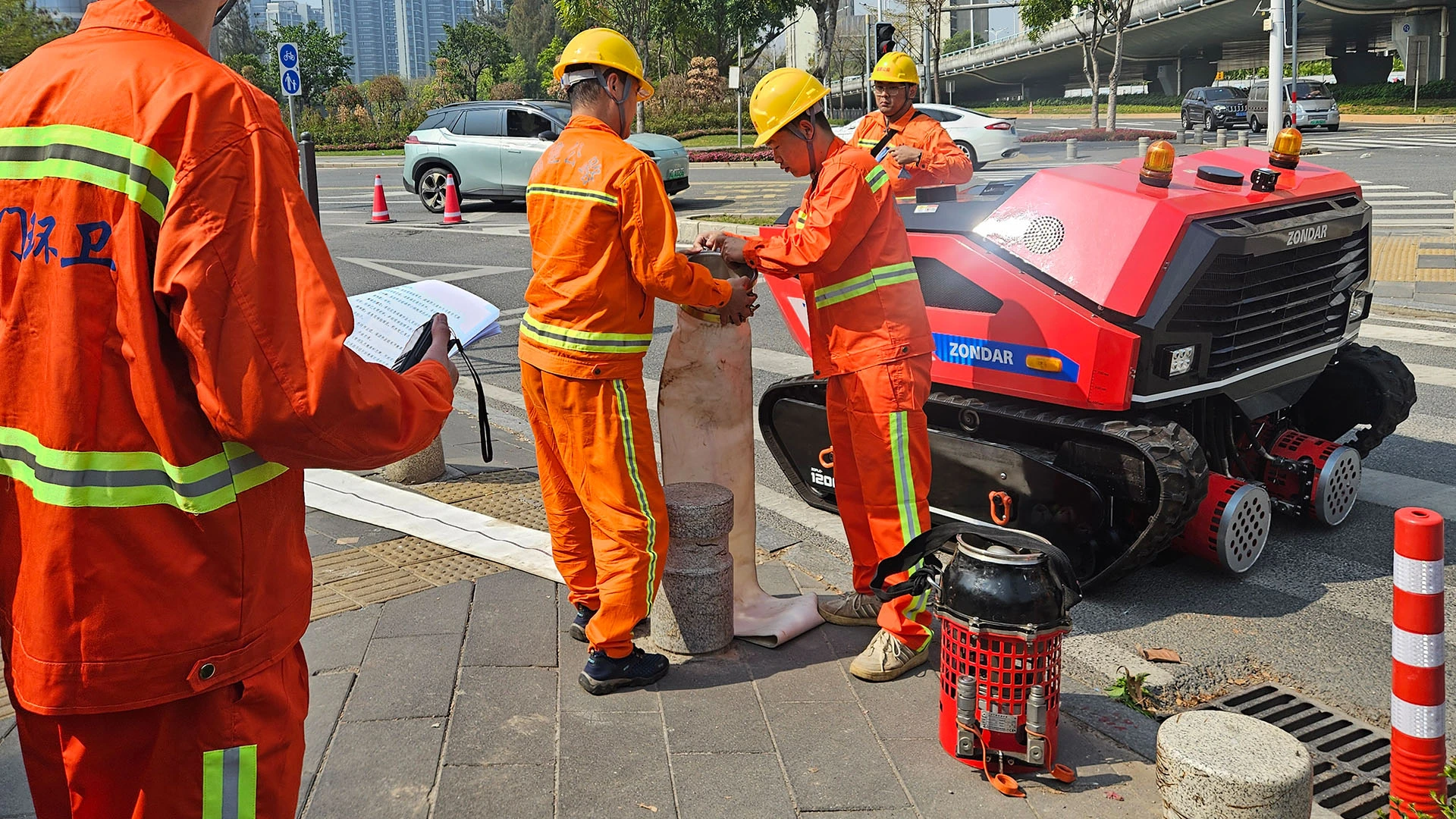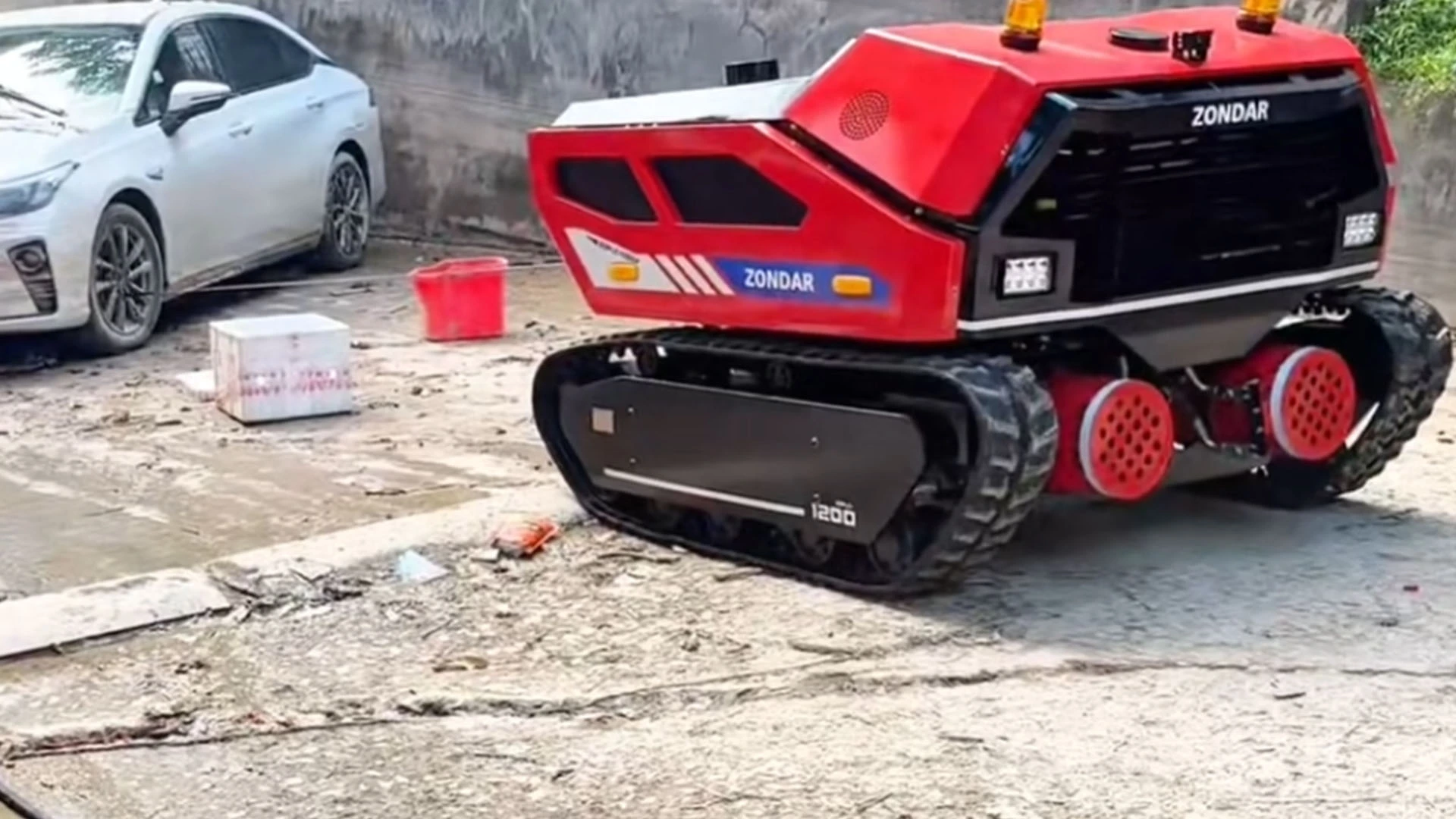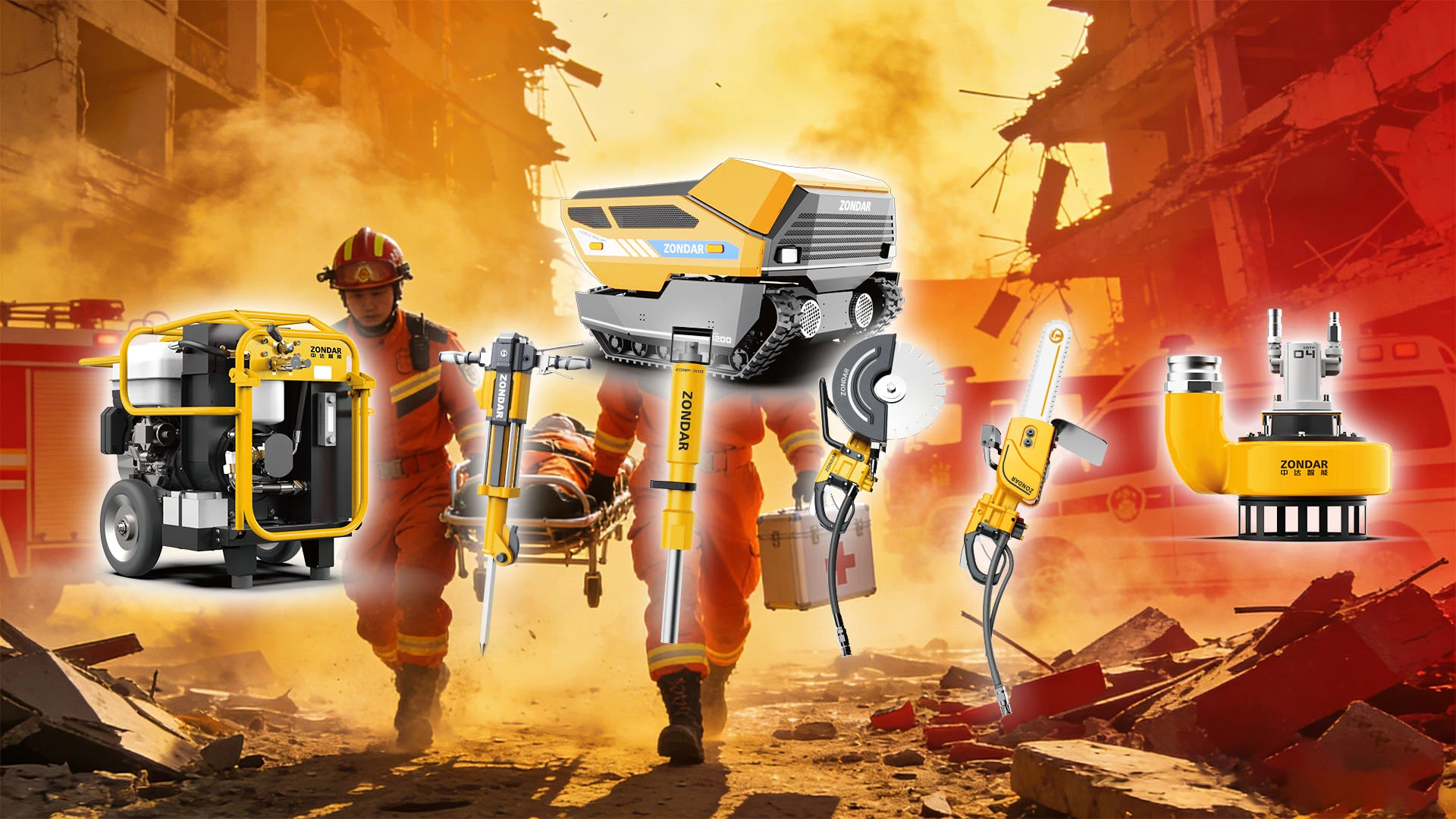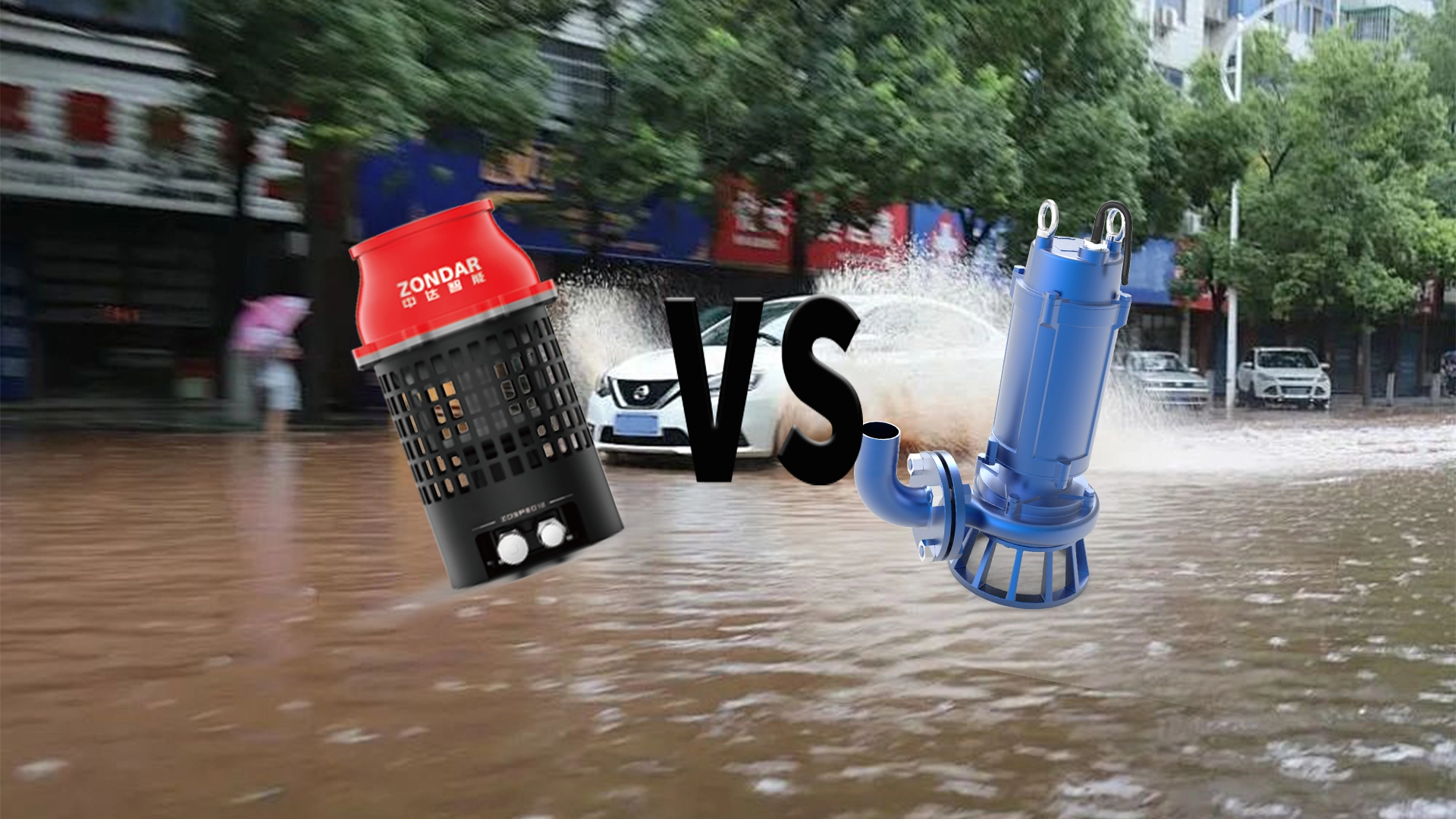
As core equipment in the emergency rescue field, portable hydraulic rescue tools are characterized by lightweight design, high power, modularity, and ease of operation, widely used in fire fighting, traffic accident disposal, mine rescue, and engineering demolition scenarios. In recent years, driven by frequent global disasters, technological iteration and upgrading, and continuous policy empowerment, the industry has entered a period of rapid development. This article focuses on the global industry development context, China’s market trends, policy support, and overseas practical applications, systematically analyzing the current development status and future direction of the industry to provide reference for industry practitioners and relevant stakeholders.
1. Global Portable Hydraulic Rescue Tools: Technological Iteration and Market Expansion
The global portable hydraulic rescue tools industry has completed a leap from mechanical manual tools to intelligent hydraulic systems, and is currently in a critical stage of intelligent upgrading. Technological innovation and market demand are driving the steady growth of the industry in a two-way manner.
(1) Technological Evolution Context
The industry development can be roughly divided into four stages: Initial Stage (1970-1990), Europe and the United States took the lead in launching the first generation of hydraulic rescue tools, which were large in size and heavy in weight, only suitable for fixed rescue stations; Popularization Stage (1990-2010), modular design matured, weight decreased significantly, and it became a standard configuration for fire fighting and traffic accident rescue; Upgrade Stage (2010-2020), electric hydraulic systems replaced traditional mobile pumps, integrated lithium-ion tools came out, freeing from the constraints of cables and oil pipes, and adapting to a wider range of scenarios; Intelligent Stage (2020-present), integrating sensors, AI algorithms, and Internet of Things technology, realizing adaptive pressure, remote control, and fault self-diagnosis, with miniaturization, amphibious capability, and unmannedization becoming the mainstream direction.
(2) Core Technological Breakthroughs and Market Scale
From 2020 to 2026, the industry has achieved multiple breakthroughs in core technologies: The battery life of integrated lithium-ion hydraulic pumps has been increased to 4-6 hours, the output pressure has reached 700-1000bar, adapting to complex environments such as low temperature and underwater; The application of ultra-light composite materials such as carbon fiber and titanium alloy has reduced the weight of tools by 18%-25% and significantly improved the strength; All-in-one integrated tools and miniaturized special tools have become popular, and intelligent control technology has greatly improved operation efficiency and reduced the risk of secondary damage.
The market scale is constantly expanding. In 2023, the global market scale was about CNY 18.6 billion, with an annual growth rate of 8%-10%; it exceeded CNY 22 billion in 2025, and is expected to reach CNY 24.5 billion in 2026 (Business Research Insights, 2026). Among them, traffic accident rescue (45%) and building collapse rescue (25%) are the core application scenarios, and emerging markets such as Asia-Pacific, the Middle East, and Latin America have a growth rate of more than 15%, becoming new engines for industry growth (YH Research, 2026).
2. China’s Portable Hydraulic Rescue Tools: Industrial Upgrade and Development Trends
Benefiting from the improvement of the domestic emergency system, the breakthrough of domestic technology, and the release of market demand, the growth rate of China’s portable hydraulic rescue tools industry has been consistently higher than the global average, and it is realizing the transformation from a “follower” to a “leader”.
(1) Current Industry Development Status
The domestic market scale is expanding rapidly, reaching CNY 5.28 billion in 2023, a year-on-year increase of 11.3%; it increased to CNY 5.86 billion in 2025, and is expected to exceed CNY 6.5 billion in 2026 (Zhezhe Consulting, 2025). The process of domestic substitution is accelerating. Domestic brands such as Beijing TOPSKY, Shanghai ODE, and Changsha Zondar Intelligent have technologies close to the international level, with obvious price advantages (30%-40% lower than imported brands), and the domestic market share has increased from 35% in 2018 to 68% in 2025. At the same time, the industrial chain is gradually improved, the localization rate of core components reaches 85%, and the application scenarios have extended from traditional fire fighting to urban renewal, subway emergency, mine rescue, earthquake rescue and other fields.
(2) Core Development Trends (2026-2030)
In the next five years, China’s industry will show five clear trends: First, the full popularization of lightweight and lithium-ionization, the proportion of integrated lithium-ion tools will reach more than 65% by 2026, and the weight of main tools will be controlled at 15-18kg, adapting to complex terrain; Second, modularization and integration will become the standard configuration, the “1 main unit + multiple modules” structure will reduce procurement and maintenance costs, supporting multi-equipment collaborative operation; Third, the in-depth integration of intelligence and digitalization, building an integrated digital system of “equipment – personnel – command center” to realize remote control and real-time data monitoring; Fourth, the explosive growth of specialized scenarios, the demand for special tools such as underwater, explosion-proof, and low-temperature tools will surge, adapting to extreme rescue scenarios; Fifth, the breakthrough of domestic high-end and internationalization, domestic brands will attack the high-end market, the export scale will continue to expand, and participate in the formulation of international standards (Baijian Strategy, 2026).
3. China’s Policy Dividends: National Strategy Escort the High-Quality Development of the Industry
As core emergency rescue equipment, portable hydraulic rescue tools have received comprehensive protection from national top-level planning, financial support, and industry standards, providing a solid guarantee for the development of the industry.
(1) Leadership of Top-Level Planning
“The 14th Five-Year Plan for National Emergency System (2021-2025)” clearly requires that by 2025, 100% of prefecture-level and above rescue teams will be equipped with core equipment such as hydraulic demolition and support tools as standard, and the localization rate of emergency equipment will reach more than 85%; “Guiding Opinions on Accelerating the Innovation and Development of Emergency Management Equipment” issued in January 2026 focuses on supporting lightweight, intelligent, and modular hydraulic rescue tools, proposing to tackle 20 core technologies and promote 30 advanced equipment by the end of 2027; “Catalogue of Classified Guidance for the Safety Emergency Equipment Industry (2025 Edition)” classifies it into the category of high-end emergency equipment, giving policy inclinations.
(2) Financial and Industrial Support
The central finance has continuously increased investment. In 2025, the special subsidy for emergency equipment was CNY 3.72 billion, of which hydraulic equipment accounted for 25.4%; in 2026, the special fund for disaster prevention and mitigation exceeded CNY 30 billion, a year-on-year increase of 40% (General Administration of Customs of China, 2025). At the local level, provinces such as Hunan, Jiangsu, Shandong, and Guangdong have included emergency equipment in key industries. Hunan proposes that the revenue of the emergency equipment industry will exceed CNY 100 billion by 2027, focusing on supporting hydraulic rescue equipment. In addition, the advancement of resilient city construction and urban renewal projects has further stimulated the market demand for hydraulic demolition and support tools.
(3) Industry Standardization
GB/T 17906-2021 “General Technical Conditions for Hydraulic Demolition Tools for Fire Emergency Rescue” has unified product performance, safety, and testing standards; hydraulic rescue equipment is mandatory in coal mines, chemical industry, transportation and other fields, and the standard configuration rate of professional rescue teams such as mines and highways reaches 100%, promoting the standardized and high-quality development of the industry.
4. Overseas Working Conditions: Practical Application Reference of Portable Hydraulic Tools
Overseas markets are well-developed. Different regions have formed differentiated application models according to their own working conditions, and their practical experience has important reference value for the development of the domestic industry.
(1) Europe: Precision + Standardization, Full-Scenario Coverage
Germany focuses on traffic accident rescue. In highway rescue, lightweight lithium-ion hydraulic tools can break down high-strength steel car doors in 3 minutes, adapting to modern automobile materials; in building collapse and earthquake rescue, the Netherlands uses a combination of modular hydraulic support and micro jacks to build a “safety triangle” to avoid secondary collapse; tools in Nordic regions are adapted to extreme cold environments of -30℃, and explosion-proof products are widely used in offshore oil platforms to meet the needs of special scenarios.
(2) North America: Unmanned + Heavy-Duty, Adapted to Field Scenarios
100% of U.S. fire departments are equipped with lithium-ion hydraulic tools. Rescue in remote mountainous areas and deserts relies on long-lasting and cordless equipment. In mine rescue, remote-controlled hydraulic demolition robots are used to realize “zero personnel entry” in high-risk scenarios; Canada applies hydraulic tools to wildfire demolition and flood control plugging, adapting to complex field working conditions.
(3) Asia-Pacific: Adapted to Complex Terrain, Accelerated Export of Domestic Equipment
Japan, focusing on the characteristics of dense urban areas and old buildings, promotes miniaturized hydraulic tools, adapting to narrow spaces such as debris gaps and subway tunnels; Southeast Asia is prone to disasters. The Chinese Rescue Team carried domestic hydraulic tools to participate in the 2025 Myanmar earthquake rescue, successfully rescuing many trapped people, and domestic equipment has been recognized by the overseas market for its high cost performance (YH Research, 2026).
(4) Core Characteristics of Overseas Applications
Summarizing overseas practical applications, the core presents four characteristics: extreme scenario coverage (extreme cold, high temperature, underwater, etc.), lightweight equipment (single-person portable, long battery life), intelligent operation (remote control, adaptive adjustment), and international standardization (unified interface, universal adaptation).
5. Industry Future Outlook (2026-2030)
In the next five years, the portable hydraulic rescue tools industry will usher in a new round of upgrading: Technologically, full electrification, full intelligence, unmannedization, and amphibious capability will become the mainstream, and AI technology will realize autonomous decision-making of rescue routes; In terms of market, China will become the world’s largest producer and consumer, and domestic equipment is expected to capture more than 30% of the global market share; In terms of policy, the “15th Five-Year Plan” will continue to increase support, and emergency equipment will be included in the key field of new-quality productive forces; In terms of application, it will extend from “post-disaster rescue” to the whole chain of pre-disaster prevention, in-event disposal, and post-disaster reconstruction, becoming the core equipment for resilient city and “Safe China” construction (Business Research Insights, 2026).
Conclusion
Portable hydraulic rescue tools have evolved from a single demolition device to an intelligent, modular, and full-scenario core emergency rescue system. At present, China’s industry is in a period of triple opportunities: policy dividends, technological breakthroughs, and market expansion. Focusing on the direction of lightweight, intelligent, specialized, and internationalization, domestic enterprises will deepen core technologies, improve the industrial chain, and are expected to make a breakthrough in the global emergency industry wave, providing Chinese solutions for the global emergency rescue cause.
References
1. YH Research. (2026). Hydraulic Rescue Tools – Global Top Players Market Share and Ranking 2026. https://www.yhresearch.co.jp/reports/1264111/hydraulic-rescue-tools
2. Business Research Insights. (2026). Hydraulic Rescue Tools Market Size, Share, Growth And Industry Analysis. https://www.businessresearchinsights.com/market-reports/hydraulic-rescue-tools-market-102851
3. Zhezhe Consulting. (2025). Hydraulic Rescue Tools Market Competition Pattern Research and Prospect Forecast Report. https://m.gelonghui.com/p/888846
4. General Administration of Customs of China. (2025). Export Data Statistics of Other Hydraulic and Non-Electrically Powered Hand-Held Tools in April 2025 (84678900). https://m.chinabgao.com/stat/stats/69762589.html
5. Baijian Strategy. (2026). Special Research Report on the Market Share of “Little Giant” Enterprises in the Global and Chinese Hydraulic Rescue Tools Industry. https://www.dirmarketresearch.com/reports/hydraulic-rescue-tools-1754762734317494272