Flooding is a growing challenge for cities, construction sites, and emergency rescue teams around the world. Heavy rainfall, extreme weather, and aging drainage infrastructure often lead to large amounts of water accumulating in urban areas.
When flooding occurs, the ability to remove water quickly and efficiently becomes critical.
Two of the most common solutions used in flood drainage operations are hydraulic slurry pumps, hydraulic submersible pumps and electric pumps. While both types of pumps are capable of moving large volumes of water, they differ significantly in terms of performance, safety, and operational flexibility.
Understanding the differences between hydraulic pumps and electric pumps can help contractors, municipal departments, and rescue teams choose the most suitable equipment for their needs.
What Is an Electric Pump?
Electric pumps are widely used for water transfer and drainage in many industries. These pumps operate using an electric motor that drives an impeller to move water through the pump system.
Electric pumps are commonly used in applications such as:
- Residential water drainage
- Agricultural irrigation
- Industrial water transfer
- Small-scale flood control
Because electric pumps are relatively simple to install and operate, they are often the first choice for everyday drainage tasks.
However, their performance may be limited when used in large-scale emergency situations or harsh environments.
What Is a Hydraulic Slurry Pump?
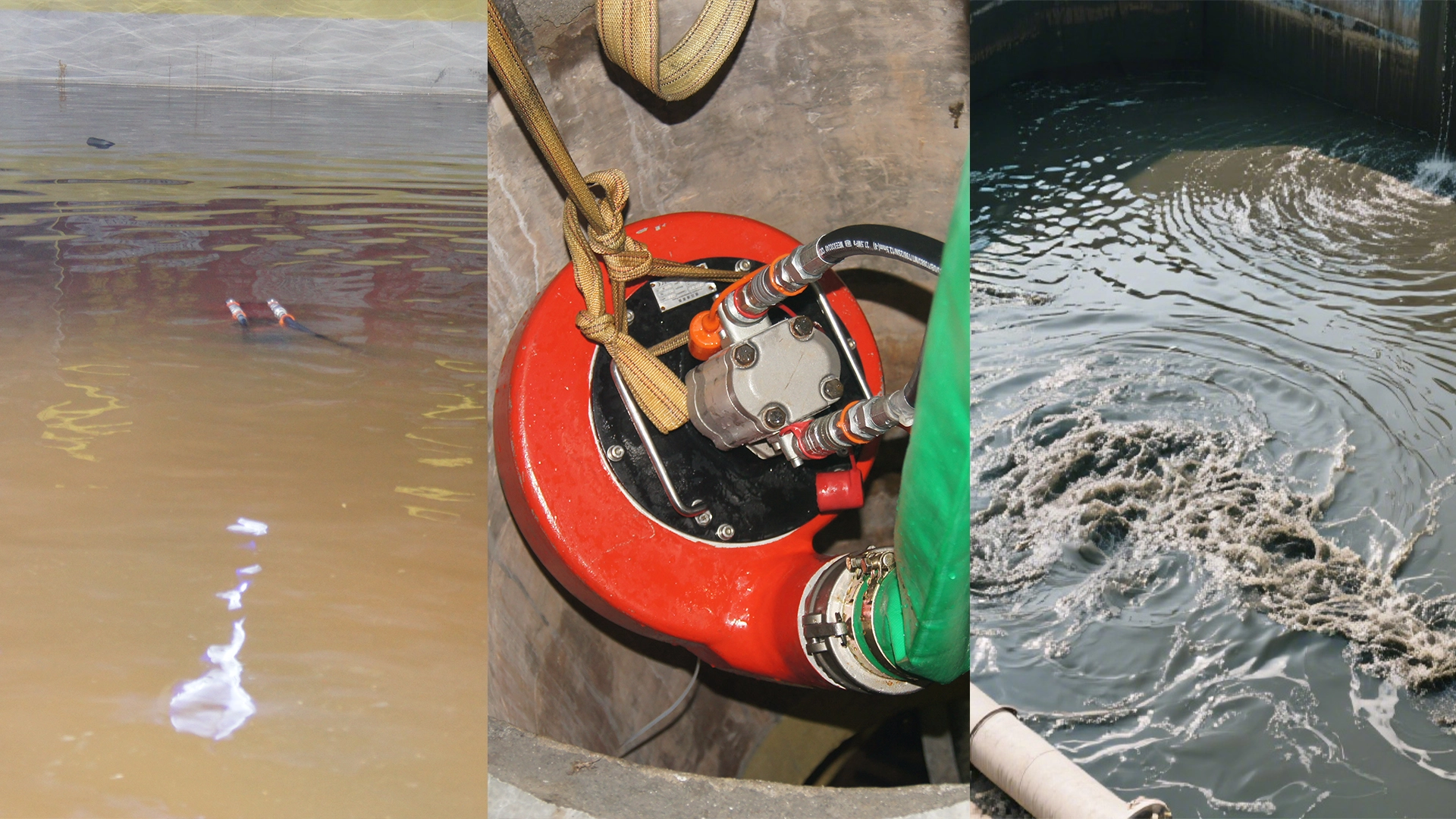
A hydraulic slurry pump is designed to move ‘slurry’—an abrasive mixture of liquids and solids (like mud, sand, or ore) containing solid content. People often confuse them with standard hydraulic pumps, which are simply mechanical components used in manufacturing to generate fluid flow.
Hydraulic slurry pumps operate differently from electric pumps. Instead of using an electric motor at the pump itself, hydraulic pumps are powered by hydraulic fluid pressure supplied by a hydraulic power unit.
The hydraulic power unit generates pressure and sends hydraulic oil through hoses to drive the pump.
This design allows hydraulic slurry pumps to operate in environments where electrical equipment may not be safe or practical.
Portable hydraulic slurry pumps are commonly used in:
- Municipal flood drainage
- Tunnel construction
- Mining operations
- Emergency rescue operations
- Large-scale construction projects
Because hydraulic systems can generate high power in a compact structure, portable hydraulic slurry pumps are often capable of handling much heavier workloads.
Key Differences Between Hydraulic Slurry Pumps and Electric Pumps
1. Power and Pumping Capacity
One of the biggest differences between the two systems is their power output.
Slurry pumps are designed for heavy-duty applications and can deliver strong and consistent pumping capacity even under challenging conditions.
In contrast, many electric pumps are designed for lighter tasks and may struggle when dealing with very large volumes of water or debris-filled environments.
For emergency flood drainage operations, high-capacity pumps are often required to move hundreds or thousands of liters of water per minute.
Hydraulic systems are well suited for this type of workload.
2. Safety in Flooded Environments
Safety is a critical concern when working in flooded areas.
Electric pumps require power cables and electrical connections. When operating in water-filled environments, this introduces the risk of electrical hazards if the equipment is not properly insulated.
Slurry pumps eliminate this problem because the pump itself does not require electricity.
Instead, the hydraulic power unit can be positioned at a safe distance while the pump operates underwater. This design significantly improves safety during emergency drainage operations.
3. Mobility and Deployment
Electric pumps often rely on fixed power sources or portable generators. This can limit their mobility, especially in remote or disaster-stricken areas.
Hydraulic pumps, on the other hand, can be powered by portable hydraulic power packs, making them highly mobile.
A single hydraulic power unit can power multiple pumps or tools, allowing rescue teams and contractors to quickly deploy equipment wherever it is needed.
This flexibility is particularly useful in urban flooding situations where access to electrical infrastructure may be limited.
4. Durability in Harsh Conditions
Flood drainage operations frequently take place in environments filled with mud, debris, and contaminated water.
Slurry pumps are typically built with robust industrial designs that allow them to operate reliably under these harsh conditions.
Electric pumps may require additional protection to prevent damage to the motor or electrical components.
For large-scale drainage projects, durability can significantly affect long-term equipment performance.
When Should You Choose a Slurry Pump?
Hydraulic slurry pumps are especially suitable for situations where:
- Large volumes of water must be removed quickly
- Electrical safety is a concern
- Equipment must operate underwater
- The working environment is harsh or remote
- Multiple hydraulic tools need to share one power source
These advantages explain why many municipal authorities, construction companies, and rescue teams rely on hydraulic drainage systems.
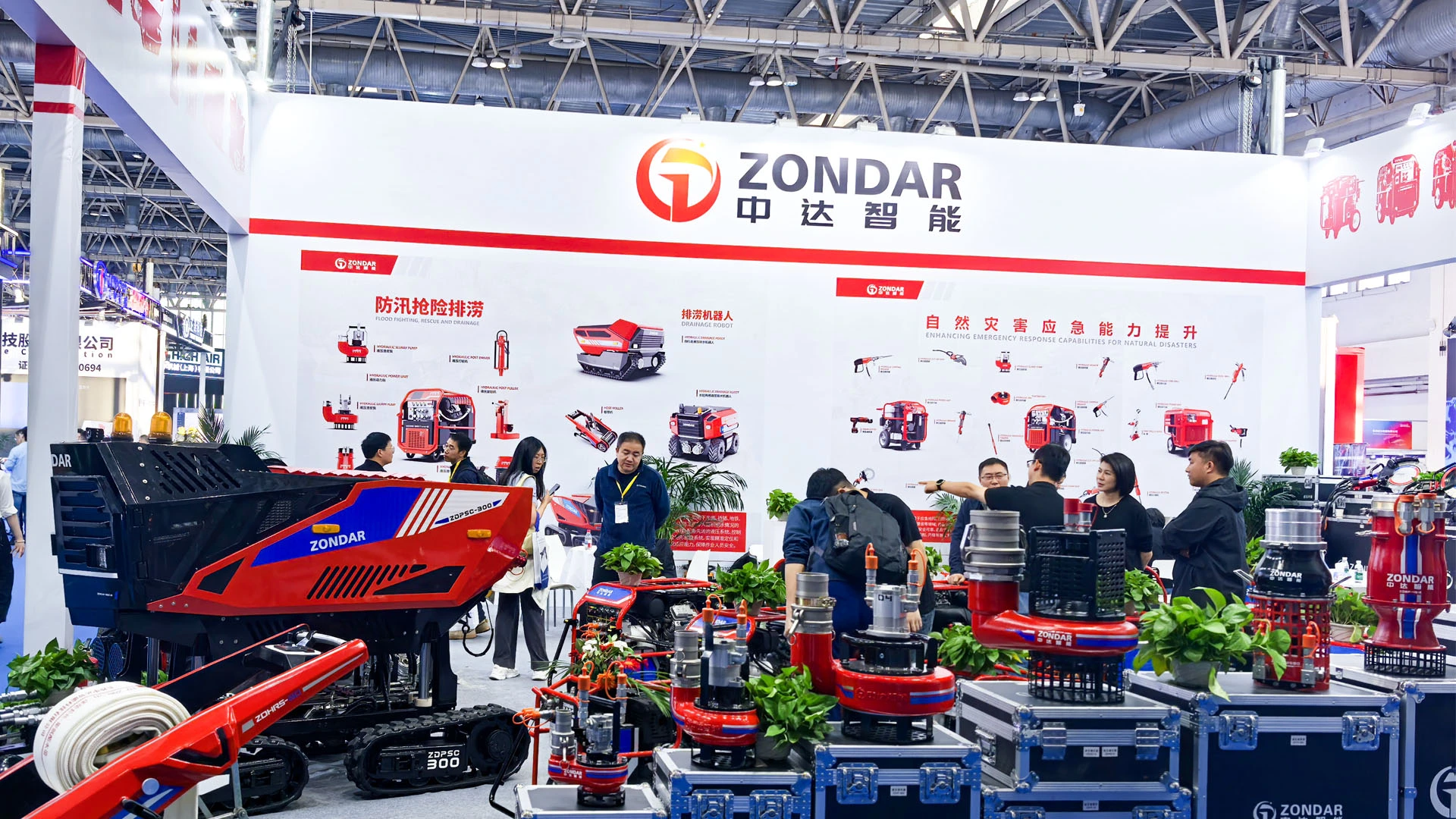
Modern equipment manufacturers such as ZONDAR Hydraulic Technology have developed advanced hydraulic submersible pumps and drainage robots designed specifically for emergency flood response.
The Future of Flood Drainage Equipment
As climate change increases the frequency of extreme weather events, cities are placing greater emphasis on improving their flood response capabilities.
Hydraulic drainage systems are becoming an increasingly important part of urban disaster management strategies.
Technologies such as high-capacity hydraulic submersible pumps, portable hydraulic power units, and smart drainage robots are helping emergency teams respond faster and more efficiently during flooding events.
These innovations are transforming the way cities manage flood emergencies.
Conclusion
Both hydraulic slurry pumps and electric pumps have their place in flood drainage operations.
Electric pumps remain useful for everyday water transfer and small-scale drainage tasks.
However, when dealing with large-scale flooding, hazardous environments, or emergency rescue situations, hydraulic pumps often provide superior power, safety, and operational flexibility.
For organizations that require reliable drainage equipment under demanding conditions, hydraulic pumping systems offer a highly effective solution.
Changsha ZONDAR in China provides advanced hydraulic power units, drainage pumps, rescue tools, smart drainage robots and our upcoming new products drainage vehicle for global infrastructure and emergency response applications.
Contact us to learn more about our hydraulic solutions.